Special Grinding Wheels & Machines
for Railway Turnouts
Precision maintenance for switch rails, stock rails & frog crossings — from defect diagnosis and zone-specific grinding to quality verification. Backed by 3+ million km of field-proven operations across China's most demanding rail networks.
Common Turnout Rail Defects & Their Impact
Turnout zones — switch rails, stock rails, and frogs — endure the highest stress in the rail network. High-frequency wheel-rail impacts, lateral forces, and cyclic loading create characteristic defects that demand targeted precision grinding.
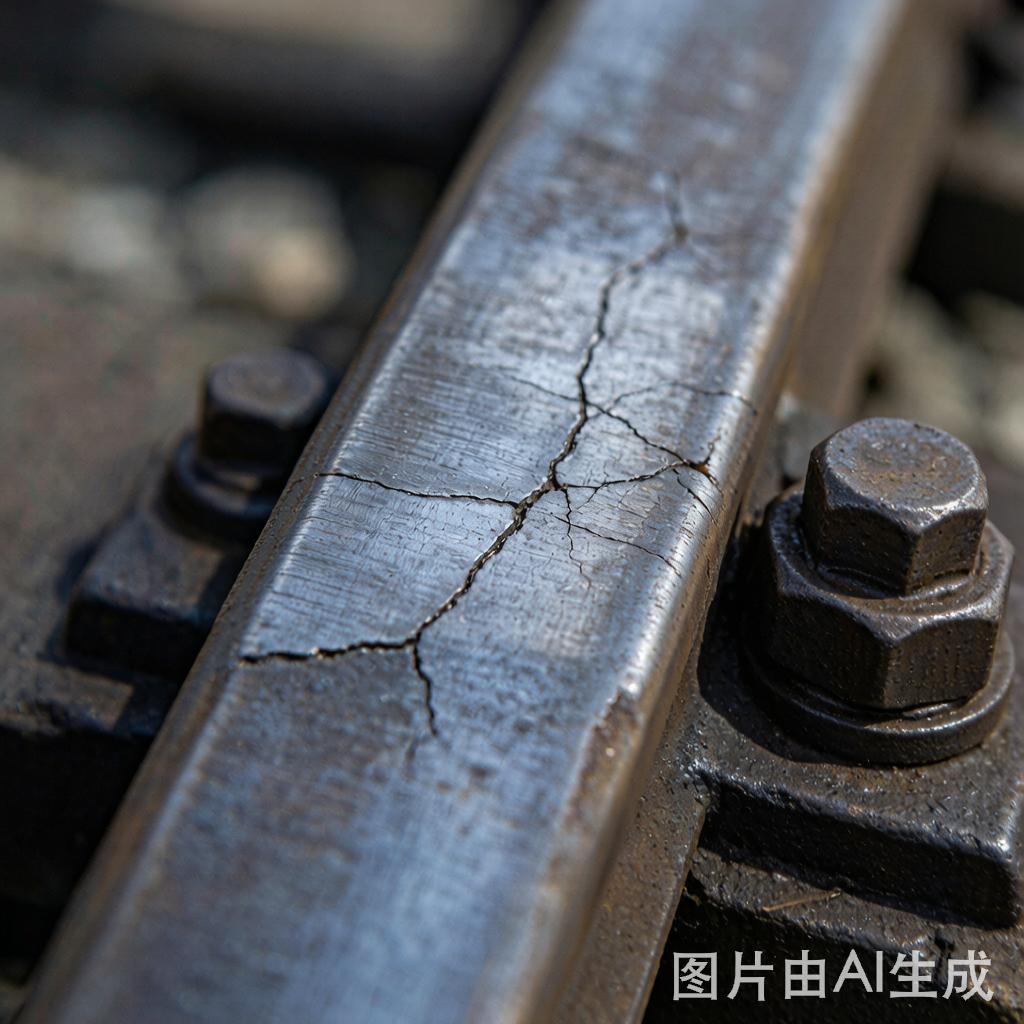
Rail Head Contact Fatigue
Cause: Cyclic wheel-rail impact forces cause metal layer fragmentation. Flattened area expands 15%–25%, creepage increases 20%–35%.
Impact: Accelerates crack propagation across all three turnout zones. If untreated, leads to deep spalling requiring full rail replacement.
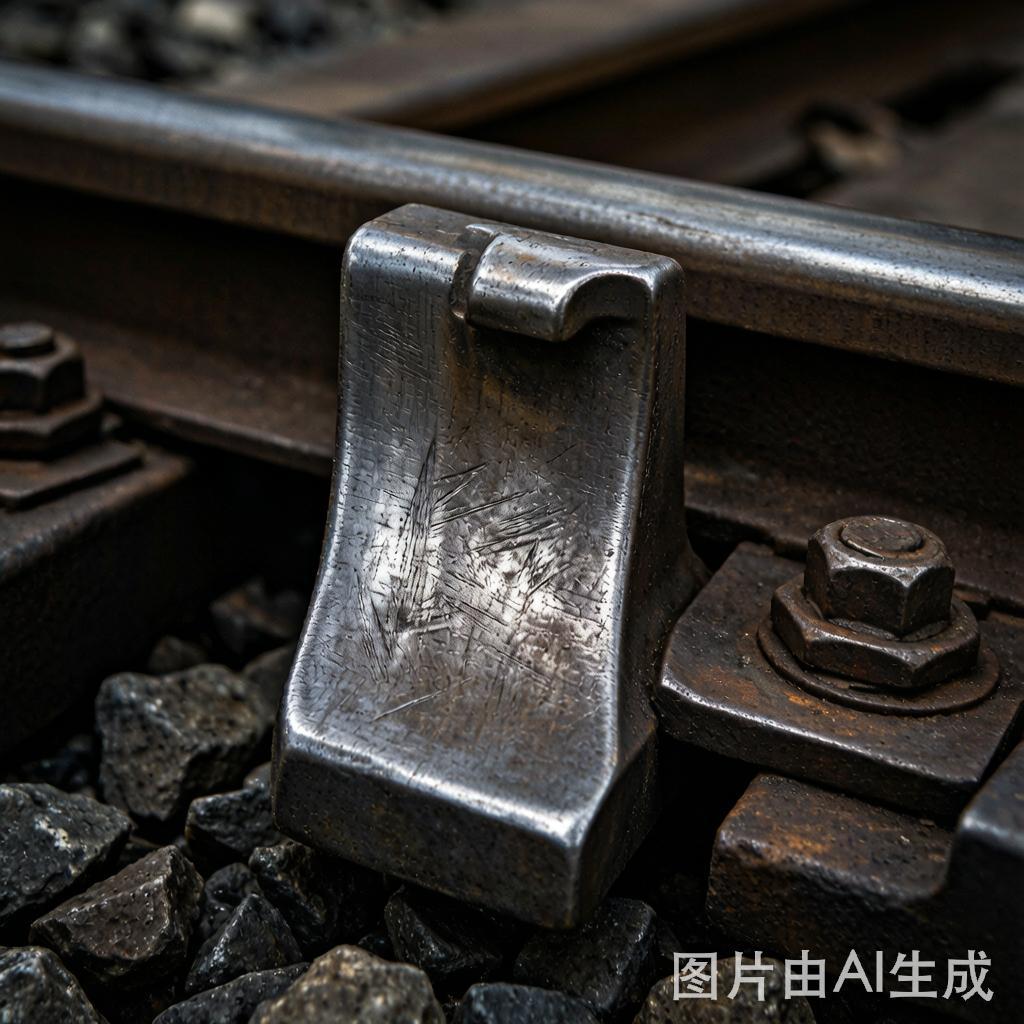
Gauge Face Wear — Switch Rails
Cause: High lateral forces on curved turnouts create severe gauge-side wear. Wear step forms 16–20 mm below rail head.
Impact: Reduces flange climb resistance by up to 40%, significantly increasing derailment risk — the most critical switch rail defect.
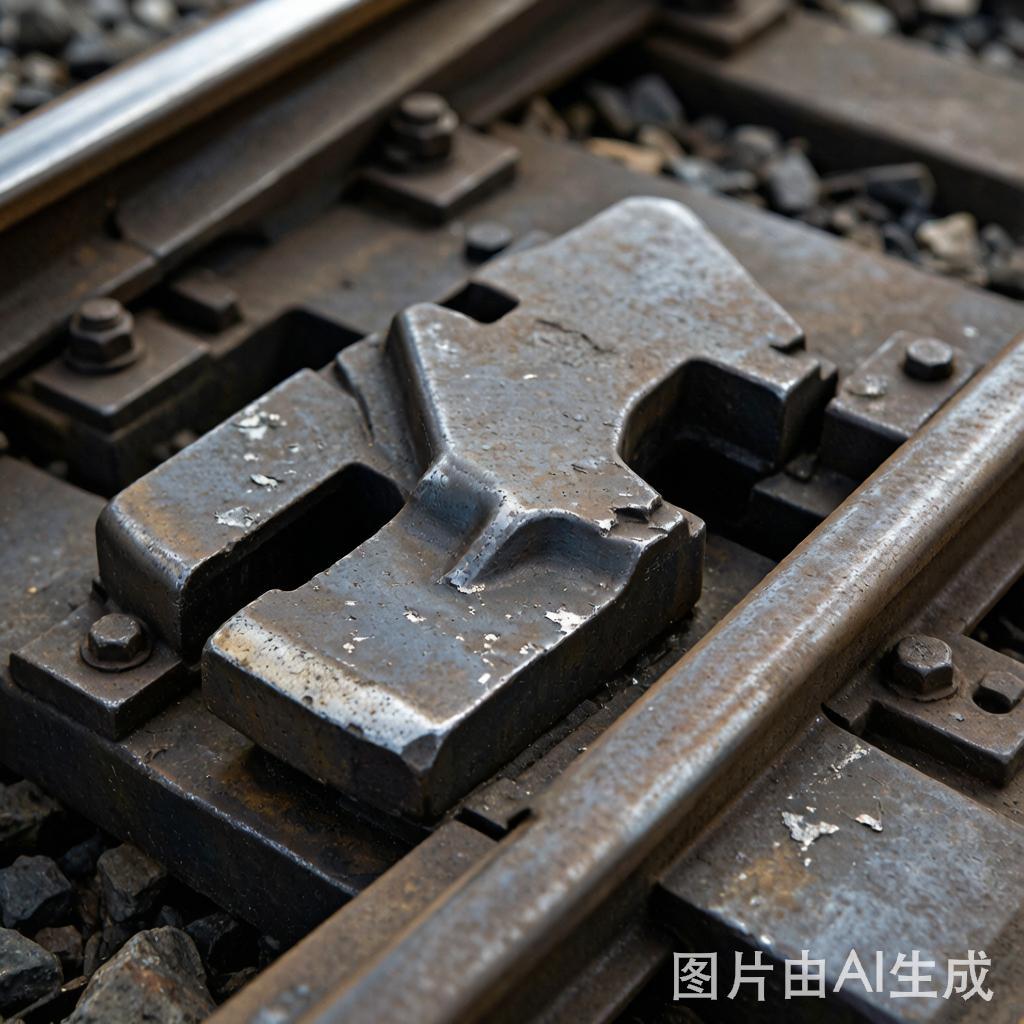
Frog Crossing Impact Damage
Cause: Concentrated stress in the 20–50 mm load transfer zone. Repeated wheel impacts cause severe fatigue cracking.
Impact: Point rail arc-surface cracking, wing rail planar spalling. Service life reduced by 20%–40% if untreated.
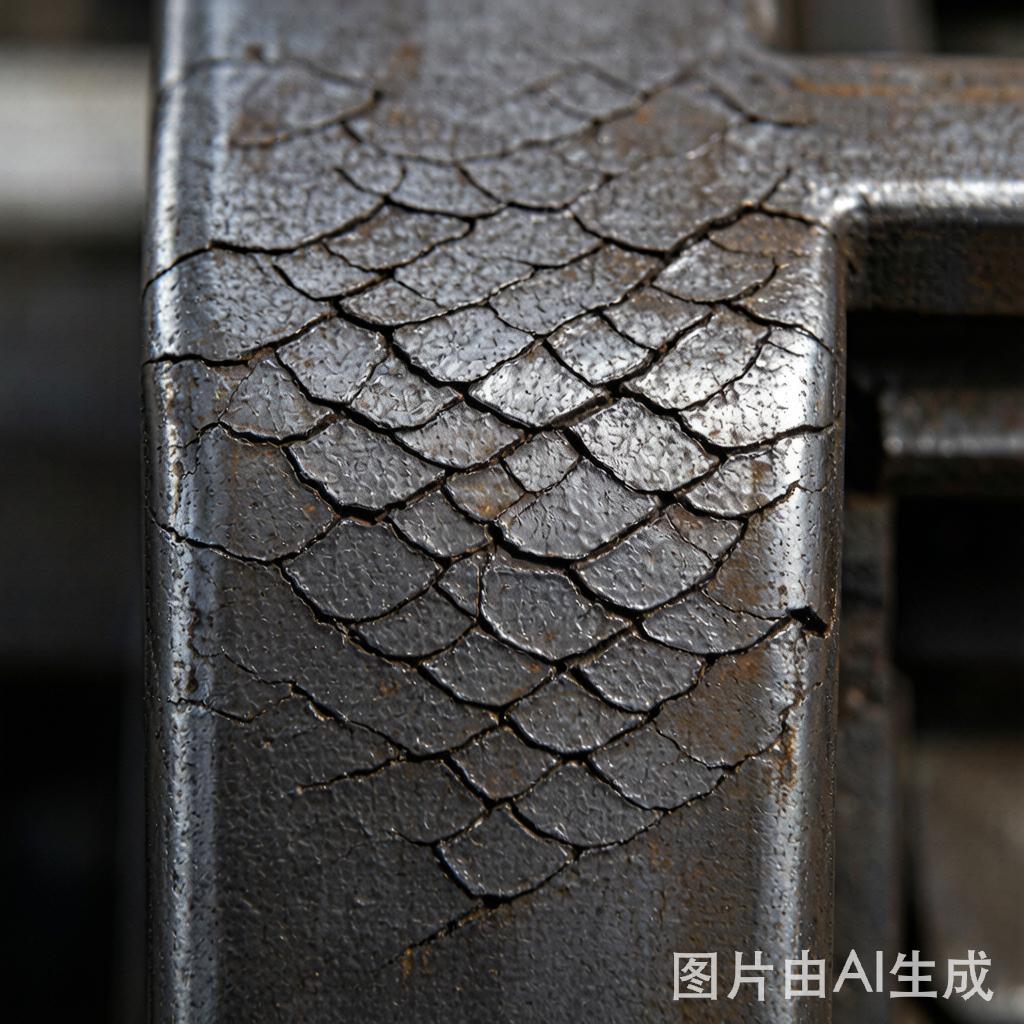
Fish-Scale Cracks & Spalling
Cause: Surface rolling contact fatigue on rail tops. Micro-cracks initiate at the gauge corner and propagate under repeated loading.
Impact: Cracks propagate into deep spalling within 3–6 months. Full replacement at 3–8× the cost of preventive grinding.
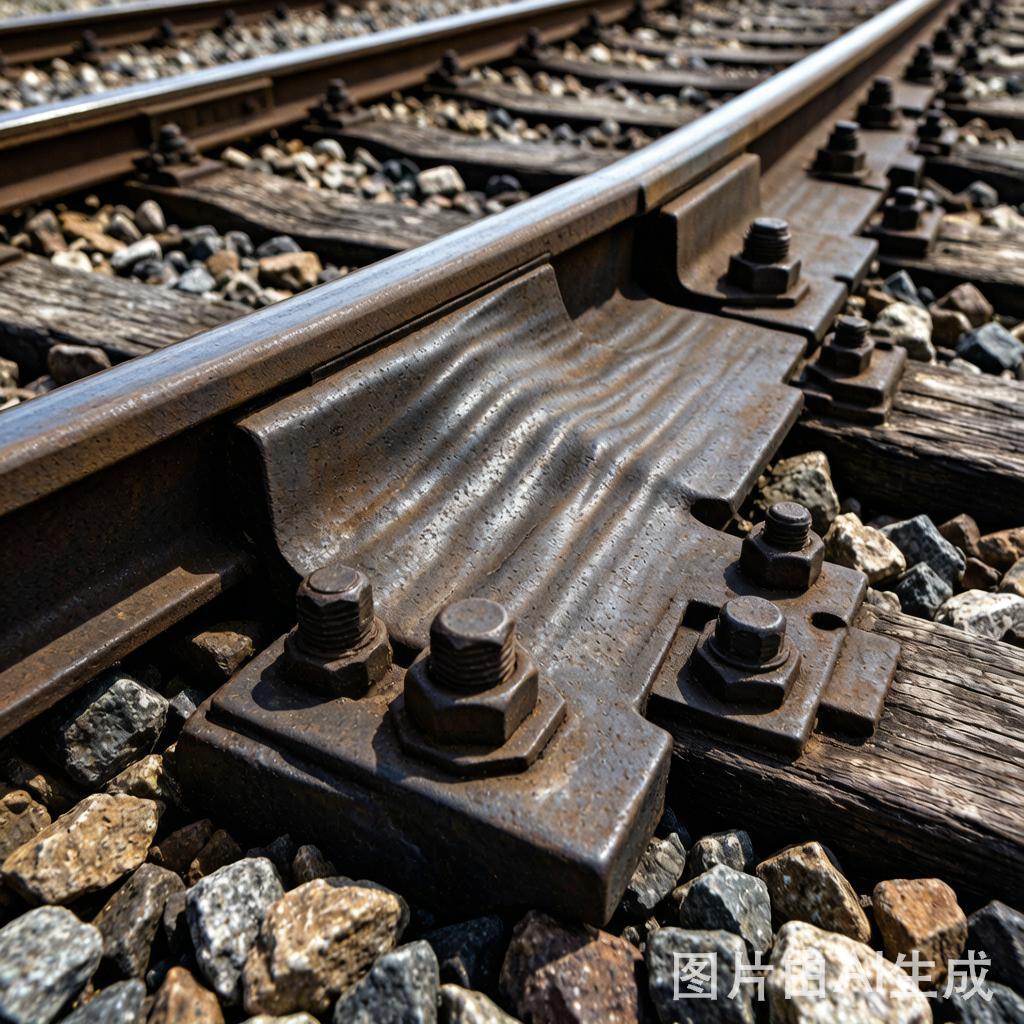
Corrugation & Profile Deviation
Cause: Uneven wear patterns from inconsistent wheel-rail contact. Deviations worsen with cumulative tonnage.
Impact: Abnormal vibrations, elevated noise, accelerated fastener/sleeper wear, degraded ride quality across the entire turnout.

Edge Flash, Burrs & Weld Defects
Cause: Post-replacement misalignment, inadequate thermal expansion allowances, poor weld joint finishing at拼接缝.
Impact: Sharp wheel impacts, cyclic stress on components, accelerated fastener/sleeper deterioration.
Why Deferred Turnout Grinding Costs More
When turnout defects go untreated, the consequences cascade — from increased maintenance frequency to catastrophic safety failures. The data is clear: preventive grinding pays for itself many times over.
Derailment Risk × 3 Zones
Gauge face wear on switch rails reduces flange climb resistance by 40%. Frog fatigue cracks propagate under cyclic loading. Stock rail edge flash distorts wheel transition — any single defect can trigger derailment.
3–8× Higher Replacement Costs
A ¥500 grinding intervention prevents a ¥4,000+ rail replacement. Fish-scale cracks on switch rails propagate into deep spalling within 3–6 months — a ¥200 grinding fix saves ¥6,000+ in emergency rail replacement.
8–24 Hours Unplanned Downtime
Emergency turnout replacement blocks critical track sections for 8–24 hours. In contrast, scheduled 2-hour precision grinding restores profile and extends service life 12–18 months.
Network-Level Deterioration
One degraded turnout propagates impact forces to adjacent rails, sleepers, and ballast — expanding damage beyond the original defect zone and increasing whole-life maintenance costs by 60%.
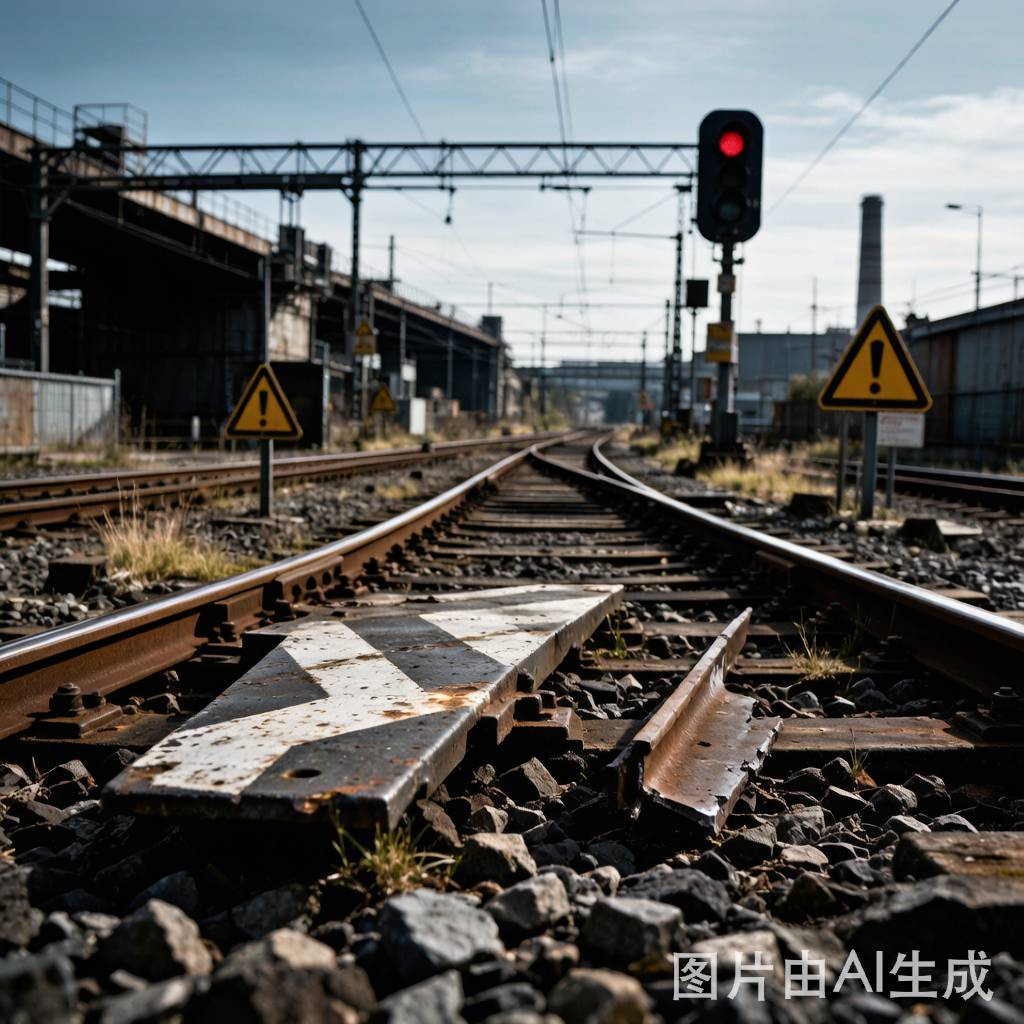
Three-Zone Precision Grinding Solutions
Each turnout zone — switch rail, stock rail, and frog crossing — is addressed with dedicated machine configurations, wheel profiles, and validated process parameters determined through systematic pre-grind measurement.
Frog Crossing Grinding 辙叉区打磨
The frog is the most impact-intensive component — consisting of the point rail (心轨), wing rails (翼轨), and guard rails (护轨). High-frequency wheel-rail impacts create concentrated stress in the 20–50 mm load transfer zone.
| Component | Machine | Wheel | Method | Key Para. |
|---|---|---|---|---|
| Point Rail (心轨) | Angle grinder | Grinding disc | Three-slope grinding. Swing ≤0.5m. 1m steel ruler check. | ≤0.3mm |
| Wing Rail — Top (翼轨顶面) | MP12 profiler | Cylindrical wheel | Lowest point baseline. Outer→inner. Smooth start/end. | Uniform走行 |
| Wing Rail — Edge (翼轨工作边) | Angle grinder | Grinding disc | Eliminate flash → chamfer at 20–50mm section. | 4–6×0.5–1.5mm |
| Guard Rail (护轨) | MV3 | Multi-disc ZA | Eliminate spalling, correct lateral deviations. | ≤0.1mm |
| Joint (拼接缝) | Angle grinder | Grinding disc | Chamfer to prevent spalling. | Controlled |
Switch rails are the most geometrically complex turnout components — precision grinding addresses three distinct surfaces, each with specific angle progression.
Working Edge Grinding 作用边打磨
Objective: Eliminate edge flash & uneven wear.
MC3 machine. Open position. Wheel above milled platform. Bottom→up, 2° increments.
Post-grind: edge rounding R3–R4 (20–30mm) / R4–R5 (30–50mm). Polish.
Non-Working Edge 非工作边打磨
Objective: Eliminate excessive flange on gauge side.
MC3 machine. Open position. Wheel above non-working milled platform. Incremental passes.
Smooth transitions. Edge: 20–30mm → R3–R4; 30–50mm → R4–R5.
Top Surface Grinding 顶面打磨
Objective: Eliminate fish-scale cracks, spalling, poor light bands.
Closed: MV3, 30°→0°, 2–4° steps.
Open: MV3, 30°→−30°, 2–4° steps.
Polish with elastic disc. Clean all debris.
Stock Rail & Guard Rail Grinding 基本轨打磨
Stock rails and guard rails provide foundational support for switch operation and wheel guidance. Edge flash, surface fatigue, and profile deviation directly affect gauge width stability and switching reliability.
Working Edge
MC3 machine. Open position. Wheel bottom 20–30mm below grinding point. Angle −1°→18°, 2° steps.
Three Principles: Contact light · Push steady · Return fast. Never dwell — risk of surface annealing.
Top Surface
Closed: MV3, 30°→0°. Open: MV3, 30°→−30°. Joint operation with switch rail.
Quality Verification
Stock rail surface defects before grinding
Zone-Specific Technical Specifications
Frog Crossing
Switch Rail
Stock Rail
Zirconia-Alumina (ZA) Hot-Pressed Grinding Wheels
All three turnout zones benefit from RailwayCare's proprietary ZA wheel technology — delivering consistent performance with microcrystalline structure and fracture toughness.
Composition
Al₂O₃ (75–80%) + ZrO₂ (20–25%) composite. Hot-pressed microcrystalline structure.
Wear Resistance
22–24 GPa hardness — 10–15% higher than conventional fused ZA. Reduced internal porosity.
Impact Resistance
ZrO₂ phase transformation toughening inhibits crack propagation under intermittent loads.
Cutting Efficiency
Sharp crystals reduce grinding heat, improve chip evacuation, prevent surface thermal damage.
Zone-Specific: Narrow curved wheels (20–30mm, ±15°) for point rail · Multi-disc for wing/guard rails (≤0.1mm) · Profiled ZA (25mm) for switch rail edges & tops.
View Our Grinding Wheel Range →Systematic Turnout Grinding Process
A data-driven approach from initial inspection through quality verification — field-proven by China Railway Wuhan Bureau.
Pre-Grind Inspection
Measure track gauge & profile with profiler. Check edge flash, abrasions, spalling, fish-scale cracks, light bands. Mark 20mm/50mm on point rail.
Defect Analysis & Program
Classify defects by zone & severity. Analyze measurement data. Design grinding program. Mark grinding range on rail.
Precision Grinding
MC3 for edges, MV3 for top surfaces, MP12 for profiling, angle grinder for point rail. 2–4° progressive steps.
Polishing & Verification
Polish with elastic disc. Re-measure profile. Verify reduction values. ≤0.3mm smoothness. Clean & document.
Field Case: Wuhan Freight Marshalling Yard
Comprehensive Three-Zone Turnout Grinding
RailwayCare executed full three-zone turnout grinding on No.12 standard turnouts & double slip switches at Wuhan Freight Marshalling Yard using MC3, MV3, and MP12 machines with ZA wheels.
View Full Case Study →reduction
restored
improved
Turnout Grinding Equipment Portfolio
Field-tested equipment for every stage — from profile measurement through precision grinding to quality verification.

MC3 / MV3 / MP12
MC3 (edge grinding, 3000–3600 rpm), MV3 (top surface, −30°→30°), MP12 (wing rail profiling). Petrol-powered precision grinders for all turnout zones.
Learn More →
ZA Hot-Pressed Wheels
Narrow curved ZA 20–30mm (point rail), multi-disc segment (wing/guard), profiled ZA 25mm (switch rail), cylindrical (MP12 profiling). All with 22–24 GPa hardness.
Learn More →Profiler & Gauges
Rail Profiler (廓形仪) for profile measurement, Digital Track Gauge for geometry, Reduction Value Gauge for frogs, Section Gauge for 20mm/50mm marking.
Browse All →Grinding · Tamping · Welding — The Full Turnout Care Cycle
Turnout defects never stop at the rail head. A complete solution pairs precision grinding with tamping and aluminothermic welding: inspect the zone, restore the profile, stabilize the foundation and repair the joint — all from one supplier.
Grinding Machines & Grinder Vehicles
Petrol-powered MC3 / MV3 / MP12 precision grinders and rail grinder trolleys restore switch rails, stock rails and frogs to ±0.3 mm accuracy — the first defense against gauge-face wear, fish-scale cracks and profile deviation.
Learn More →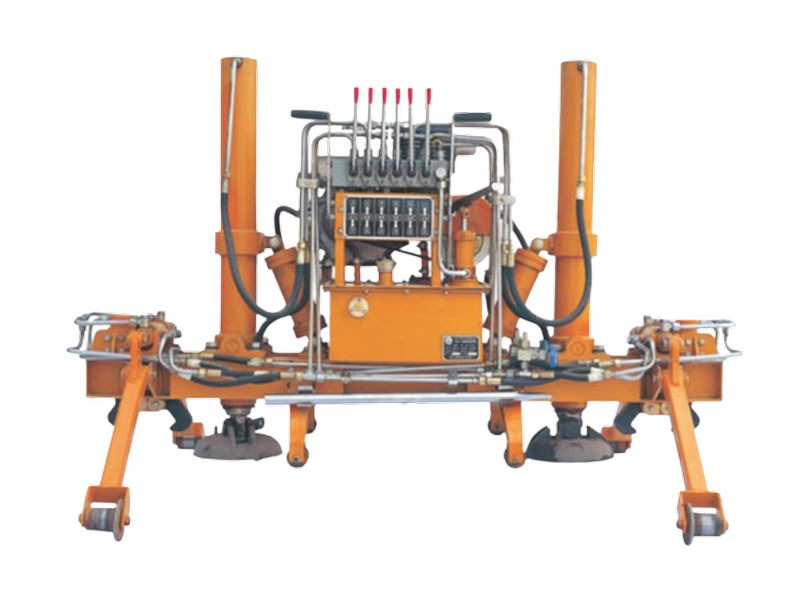
Turnout Tamping & Geometry Restoration
Tamping picks and compact tamping machines consolidate sleeper support, correct line and level in the switch zone and stabilize frogs — eliminating the foundation problems that grinding alone cannot fix.
Learn More →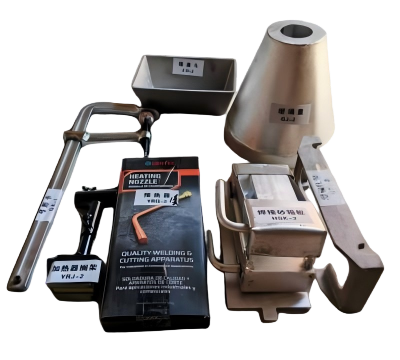
Aluminothermic Rail Welding
The TWS thermite welding system produces full-profile, high-integrity joints at frogs, closures and repair sites — fixing weld defects and damaged crossings without rail replacement.
Learn More →Select Your Turnout Grinding Configuration
Choose the turnout zone you need to address, and we'll recommend the optimal machine, wheel, and process package.
Frog Crossing
Need a Custom Combination Package?
Our engineers can design a multi-zone grinding package for your specific turnout configuration — including machine selection, wheel specification, grinding program design, and on-site technical support.