Rail Grinding Wheel Price: What Actually Drives the Cost of a Rail Grinding Wheel
- Share
- publisher
- RailwayCare
- Issue Time
- Sep 16,2026
Summary
What drives a rail grinding wheel price: abrasives, tooling, certification, logistics and volume - and how to compare two quotes on cost per pass-km.
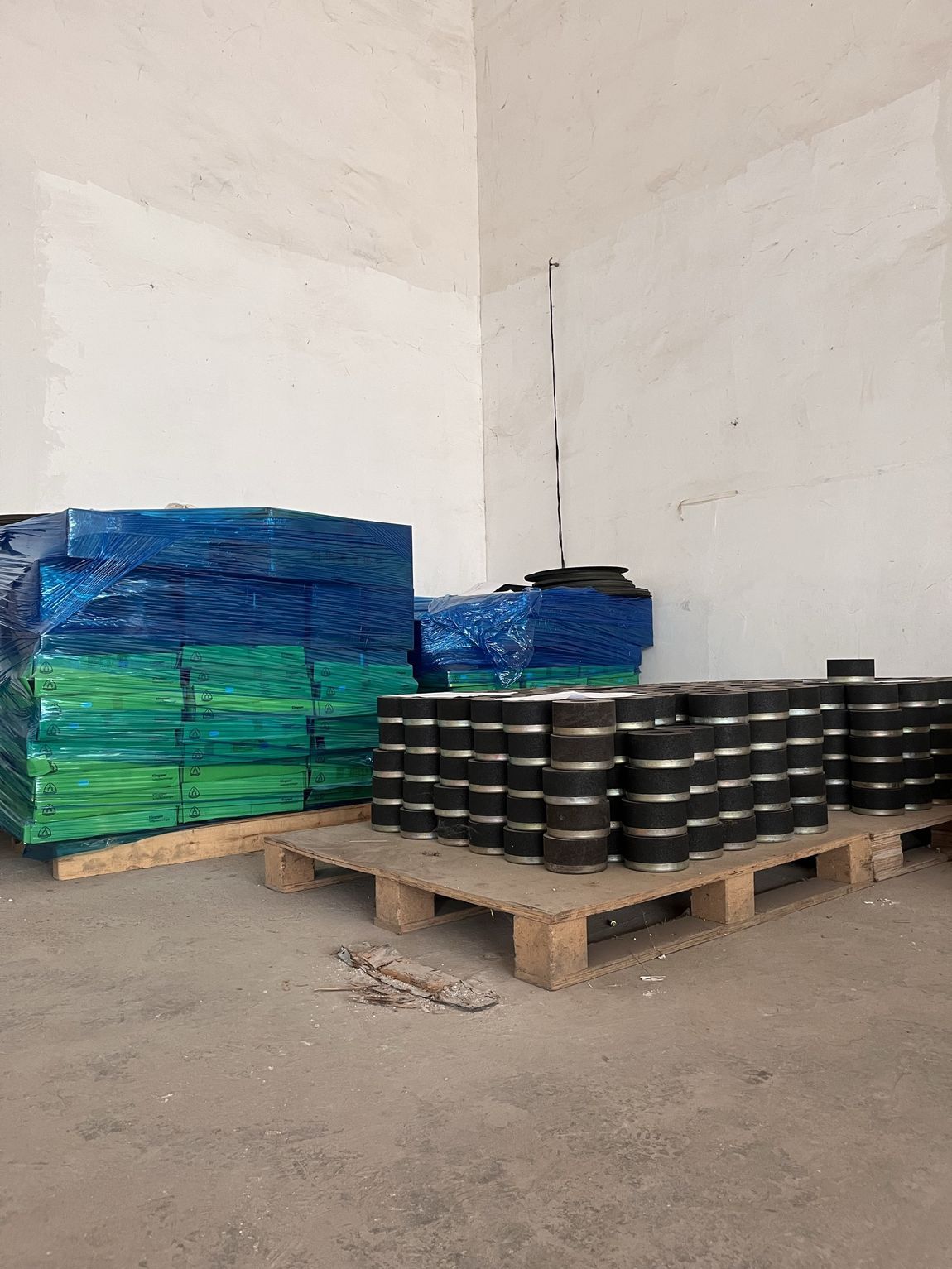
Two quotations arrive for the same wheel - say a 260×90×154 mm grinding-train wheel, same format, same bore, same mounting pattern. One is 30 per cent more expensive than the other. The instinct is to buy the cheaper one. The arithmetic says something else: price per wheel and cost per kilometre of track ground are different numbers, and they often point in opposite directions.
This article sets out what a rail grinding wheel price is actually made of - the materials, the tooling, the certification, the logistics - how to compare two quotations on a like-for-like basis, where the money goes in the grinding budget as a whole, and the negotiation levers that reduce cost without touching quality.
It is written from the manufacturing side. We make Molaton rail grinding wheels at 500,000 per year, and we quote against the same specifications we explain here.
What You Are Actually Buying: The Anatomy of a Rail Grinding Wheel
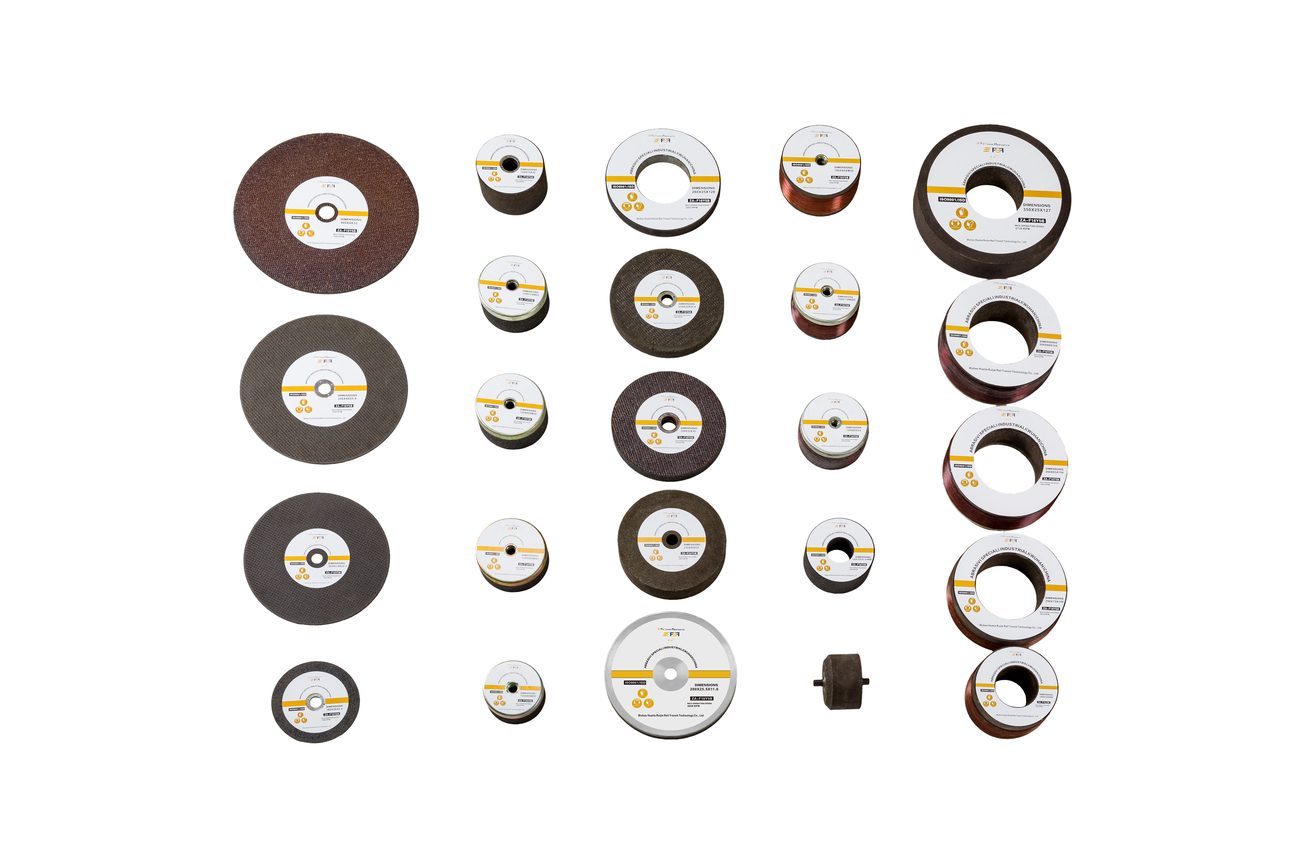
A grinding-train wheel is not a homogeneous disc. It is an assembly, and each part of it has a cost and a failure mode:
| Component | What it is | What it contributes to price |
|---|---|---|
| Hub | Aluminium or iron body with pre-drilled mounting holes | Casting, machining and the mounting-hole pattern; iron hubs cost more and add mass |
| Abrasive section | Resin-bonded zirconia-alumina or composite abrasive, 16 grit | The single largest material cost: abrasive and bond are 60-70 per cent of production cost in published market analyses |
| Reinforcement | Glass-fibre wrapping around the abrasive body | Protects against burst; a safety-critical component, not an optional finish |
| Mounting interface | M10 holes with ≥17 mm effective engagement (grinding trains), M20 / 5/8" / M8 (hand machines) | Precision drilling and thread quality; a badly machined mount fails inspection |
| Balance correction | Material removed or added to reach G1 ≤30 g or G3 ≤34 g | Testing time and scrap rate |
Two consequences follow immediately. First, a larger wheel is not simply a scaled-up price - a 260 mm train wheel contains many times the abrasive mass of a 150 mm hand-machine wheel, and the hub is a casting rather than a forging. Second, the abrasive blend is where technical differentiation lives: the same physical wheel can be built with white alumina, calcined brown alumina or zirconia alumina, with very different consequences on the rail.
That difference is measurable. In the Shenhua project test programme:
| Abrasive | Compressive strength | Grinding ratio |
|---|---|---|
| Zirconia alumina | 308.0 MPa | 41.0 |
| Calcined brown alumina | 124.0 MPa | 22.4 |
| White alumina | 103.2 MPa | 11.9 |
A wheel built with the cheaper grain is cheaper to buy. Whether it is cheaper to run is a different question - and it is answered in pass-kilometres, not in yuan or dollars per wheel.
The Seven Factors That Move a Rail Grinding Wheel Price
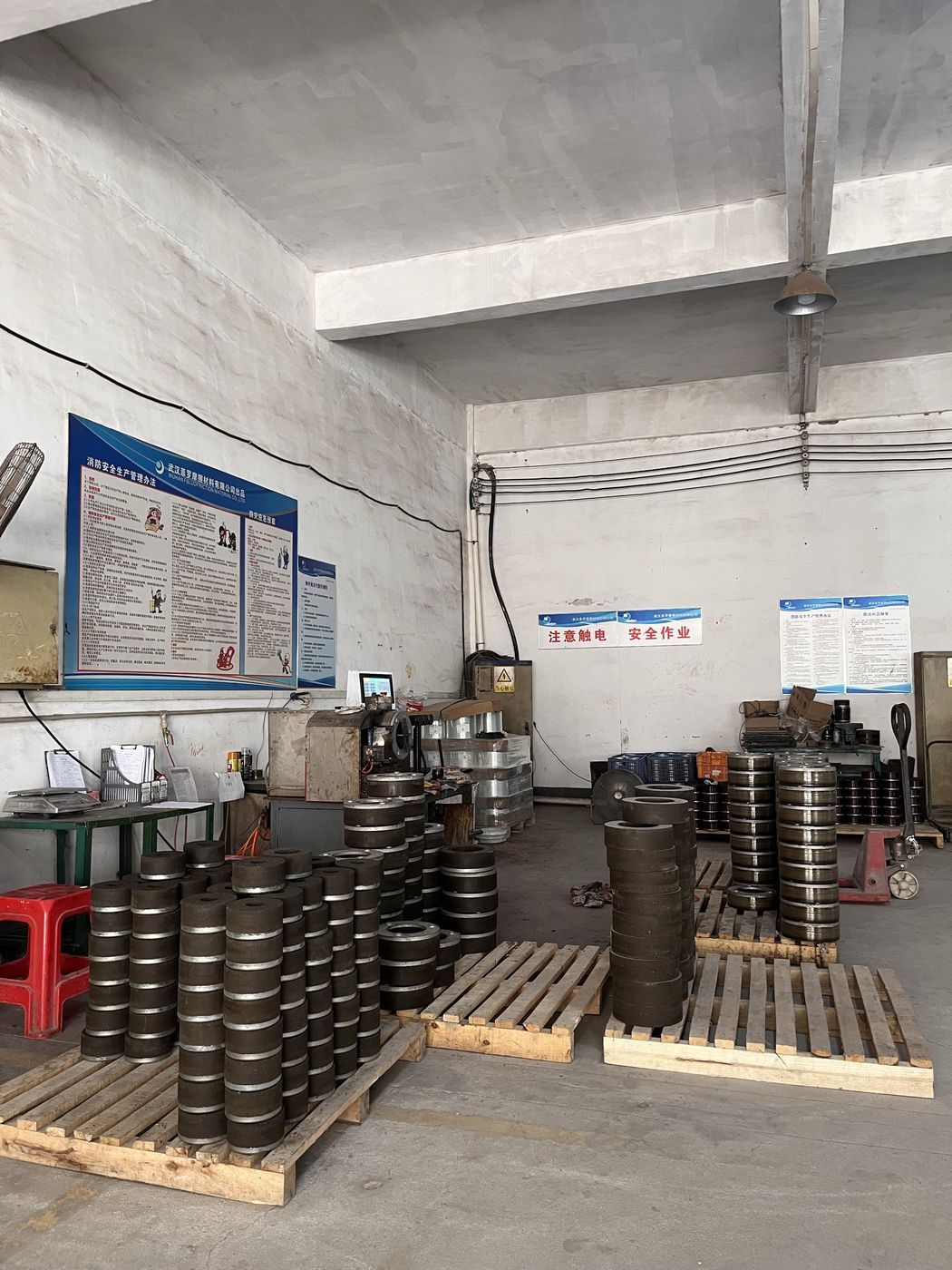
1. Abrasive type and blend. Zirconia alumina costs more than white or brown alumina and behaves differently under load - 308 MPa compressive strength against 103 MPa, and a grinding ratio three to four times higher. On soft rail and light duty, a cheaper grain can be perfectly adequate; on head-hardened rail, a small-radius curve or heavy-haul duty, the cheaper wheel dulls, glazes and burns, and the savings disappear in one possession.
2. Wheel size and mass. Format drives material content. A 260×90×154 mm train wheel, a 250×75×150 mm G3 wheel, a 180×105×90 mm GMC16A wheel and a 150×70×M20 hand-machine wheel are four different products with four different material costs, tooling requirements and pressing cycles.
3. Volume, tooling and MOQ. Wheel formats are pressed in tooling specific to the size and the mounting pattern. Tooling is amortised over the order: a few hundred wheels of an unusual format cost more per unit than several thousand of a standard one. Order quantity tiers exist for a real reason - and so do long lead times for non-standard formats.
4. Bond formulation and process control. Resin-bonded wheels are cured on a temperature cycle; the bond determines whether the grain is released before it glazes. Batch-to-batch consistency, curing discipline and in-process checks cost money to maintain - and inconsistency is the failure mode that hurts operators most, because it makes a grinding programme unpredictable.
5. Certification and testing. A wheel sold into railway maintenance carries paperwork: compliance with JB/T 11431-2020 and EN 12413, CRCC certification, EAC/GOST 33174-2014 for 1,520 mm gauge markets, rotary burst testing to GB/T 2493, imbalance measurement to GB/T 2492, dimensional tolerances to ±2.0 mm outside diameter, ±1.5 mm thickness, ≤0.4 mm parallelism and ≤0.5 mm coaxiality. Every test and every certificate is a real cost - and the cheapest way to cut price is to cut this list, which is exactly why the certificates should be checked rather than assumed.
6. Raw-material markets and energy. Abrasive raw materials are commodity-sensitive. Published market analyses record silicon carbide prices rising about 22 per cent in 2022 on the back of energy shortages in China, and note that long-term supply contracts of 12-24 months and price-indexed clauses have become standard responses - one 2023 industry survey found 48 per cent of mid-sized manufacturers using indexed clauses, up from 29 per cent in 2020. A supplier who can quote a fixed price for twelve months is absorbing that volatility somewhere.
7. Logistics, duties and currency. Delivered cost is not ex-works price. Cross-border shipping, customs duties and warehousing can add 15-25 per cent to delivered cost, and distribution layers add margin on top. Published market analysis also shows regional spread independent of quality: a standard 24-inch wheel has been quoted at roughly $420 in Germany against $310 in India, reflecting energy and overhead costs rather than abrasive content alone.
Why Two Wheels at the Same Price Can Cost 40 per Cent Apart on Track
Here is the arithmetic that matters, expressed as indices so no supplier's price list is implied:
| Wheel A | Wheel B | |
|---|---|---|
| Price index (per wheel) | 100 | 70 |
| Pass-km per wheel index | 100 | 50 |
| Cost index per pass-km | 1.00 | 1.40 |
Wheel B is 30 per cent cheaper on the invoice and 40 per cent more expensive on the track - before counting the labour, the spare wheels in the depot and the possession time consumed by twice as many wheel changes. The same logic applies in the other direction: a wheel priced 15 per cent higher that delivers 25 per cent more pass-km reduces cost per pass-km by about 8 per cent.
The input you need is pass-km per wheel, measured on your own rail. Our own field records, from campaigns where our wheels ran against the incumbent product:
| Programme | Result |
|---|---|
| GMC-96X heavy-haul comparison (2022) | 48 Molaton wheels on one side of the machine, 48 imported wheels on the other: previously comparable consumption measured at 20-30 mm per wheel for the trial wheels against 43.5-59 mm for the imported comparison wheels over the same 18.72 pass-km - roughly double the durability |
| Half-car bench comparison | ≈1.5× the durability of the imported wheel with comparable grinding quality |
| Yiyang heavy-haul (Shandong Hi-Speed) | 145 pass-km with 25.45 mm average consumption = 5.7 pass-km/mm |
| Shuohuang (CHN Energy) | 172.8 pass-km with 34.67 mm average consumption = 4.98 pass-km/mm |
| Hefei-Wuhan HSR | 4.28 vs 3.27 pass-km/mm against the incumbent wheel (1.31×), 214.22 pass-km average per wheel |
| G1 test outline requirement | ≥100 pass-km |
These figures are published so that they can be checked on your own track. That is the point: a price is a claim, and pass-km per wheel is evidence.
Reading a Rail Grinding Wheel Price Quotation Line by Line
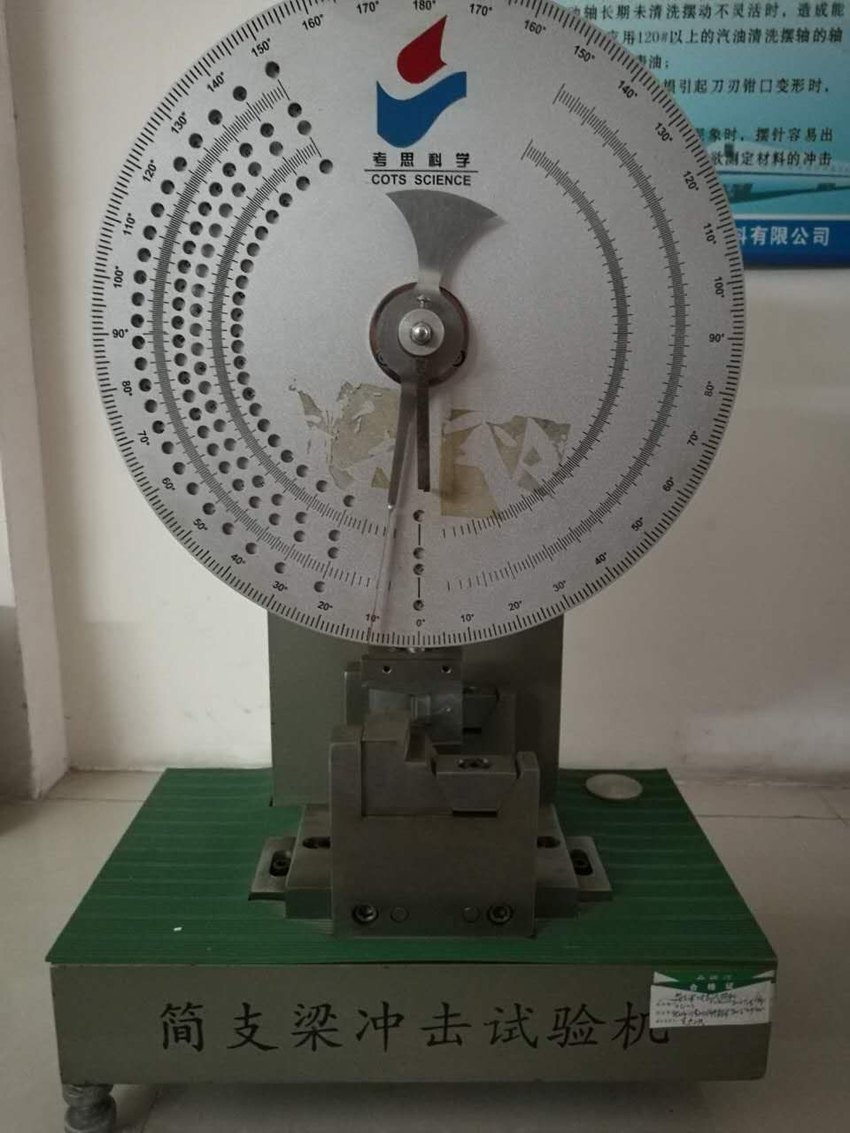
A quotation that gives only a unit price cannot be compared. Ask for these twelve lines, and the comparison becomes arithmetic instead of negotiation:
| Item | Why it belongs in the quote |
|---|---|
| Unit price by quantity tier | Establishes MOQ and volume breaks |
| Format specification | D × T × H, mounting pattern and thread; no substitution without approval |
| Abrasive type and grain size | The principal technical differentiator |
| Tolerance and imbalance data | OD ±2.0 mm, thickness ±1.5 mm, parallelism ≤0.4 mm, coaxiality ≤0.5 mm; G1 ≤30 g / G3 ≤34 g |
| Rated operating speed | 50 m/s for train wheels; passive high-speed systems run lower ratings |
| Certification list | JB/T 11431-2020, EN 12413, CRCC, EAC/GOST where relevant |
| Test reports | Rotary burst test and imbalance measurement, per batch or per type test |
| Date of manufacture and shelf life | Resin-bonded wheels age; stock rotation needs both dates |
| Packaging and pallet configuration | Determines container fill, breakage rate and unloading effort |
| Incoterm | Ex-works, FOB, CIF or DAP - the same product at three different delivered prices |
| Lead time and production schedule | Non-standard formats are built in campaigns |
| Warranty and rejection procedure | What happens if a batch fails inspection or underperforms |
For the wider transaction - what to send with an enquiry, how to structure an RFQ pack and how to compare commercial frames - see our guide to getting and comparing rail grinding wheel quotes.
Six Rail Grinding Wheel Price Traps
- Comparing price per wheel across different formats. A 150 mm hand-machine wheel and a 260 mm train wheel are not alternatives at any price. Normalise to cost per pass-km within a format.
- Buying the cheapest grain for hard rail. On head-hardened and small-radius work, a white or brown alumina wheel that dulls will burn the surface and trigger rework - the most expensive outcome in the whole programme.
- Ignoring shelf life. Resin-bonded wheels have a date of manufacture. Old stock behaves differently, and a "bargain" batch that has sat in a warehouse for years is not a bargain.
- Skipping certification verification. Certificates are the cheapest part of the wheel to omit and the most expensive to be missing at an audit. Ask for the document, not the claim.
- Choosing an Incoterm on price alone. Delivered cost includes freight, duty, insurance and inland transport. Two quotes at the same FOB price can differ by 15-25 per cent delivered.
- Optimising the wheel price while ignoring possession cost. A grinding campaign is dominated by machine, crew and track access. Saving 20 per cent on wheels while losing 10 per cent of pass-km per wheel makes the campaign more expensive, not less.
Where the Wheel Price Sits in the Grinding Budget
The wheel is the part of rail grinding that touches the rail, but it is rarely the biggest line in the budget. Machine time, crew, possession and the planning that goes into a profile programme usually dominate; the consumable is the variable that decides how many of those expensive hours you need.
That is the reason to be precise about consumable economics rather than aggressive about consumable price. A campaign that needs ten wheels per possession instead of seven has bought itself three extra wheel changes inside a two-hour night window - and in our Nanning Bureau work a GMC-96X train ground 18.72 pass-km in exactly such a window. Every wheel change consumes a share of it.
For the full build-up, including how consumables sit against access and machine costs, see rail grinding cost per kilometre and, for the procurement framework that compares wheels on performance rather than on price, our five-indicator comparison of domestic and imported rail grinder wheels.
Negotiation Levers That Do Not Touch Quality
- Consolidate formats. Standardising a fleet on fewer wheel formats reduces tooling amortisation, simplifies stock and improves volume tiers.
- Commit annual volume, not single orders. A frame agreement with a scheduled delivery plan lets a manufacturer produce in efficient campaigns.
- Ask for an index clause instead of a fixed price. If raw-material volatility is real, an index-linked clause is usually cheaper over a year than a fixed price with a volatility buffer built in.
- Fix the specification, then negotiate. Tolerance, imbalance grade, abrasive type and certification should be settled before price; negotiating by relaxing specification is how quality quietly disappears.
- Combine consumables in one shipment. Wheels, cutting wheels and hand-machine products in one container reduce freight per unit.
- Ask for the test basis behind any life claim. A supplier who can show the measurement method can be held to it.
How We Price Molaton Wheels
Molaton rail grinding wheels are manufactured by RailwayCare (Wuhan Huatie Ruijie Rail Transit Technology Co., Ltd.) at 500,000 wheels per year, in every format used by the main grinding-train families, turnout grinders and hand machines.
- Specification first. Format, abrasive blend, hardness and bond are matched to the machine and the duty: vehicle speed, motor power, grinding-head geometry and rail grade.
- Zirconia alumina, 16 grit, resin bond with glass-fibre wrapping, rated 50 m/s, balanced to G1 ≤30 g / G3 ≤34 g, with M10 mounting holes at ≥17 mm effective engagement on train wheels.
- Documented, not asserted. ISO 9001:2015 and ISO 45001:2018, CRCC, technical review by the China Academy of Railway Sciences (TKTJ-19-0007-ST), a report from the Zhengzhou National Abrasives Quality Inspection Centre, compliance with JB/T 11431-2020 and EN 12413, and EAC/GOST 33174-2014 for 1,520 mm gauge markets.
- Life figures with a test basis. ≥100 pass-km in the G1 test outline, plus the heavy-haul, high-speed and metro results above - offered so that they can be verified on your own rail.
Why does rail grinding wheel cost vary so much between suppliers?
Because the wheel is an assembly, not a commodity. Abrasive type and blend, hub material, glass-fibre reinforcement, tooling amortisation, order volume, certification, testing and logistics all move the price - and so does the currency and energy cost base of the producer. Published market analysis shows a standard 24-inch wheel quoted at roughly $420 in Germany against $310 in India, and cross-border logistics and duties can add 15-25 per cent to delivered cost.
Is a more expensive rail grinding wheel always better value?
Not always, but the relationship is weaker than most buyers assume. The correct measure is cost per pass-km, not price per wheel: a wheel priced 30 per cent lower that delivers half the pass-km has a cost index about 40 per cent higher. The reverse also holds - a 15 per cent higher price that delivers 25 per cent more life reduces cost per pass-km by about 8 per cent.
How much of rail grinding wheel cost is the abrasive?
Abrasive and bond materials account for 60-70 per cent of production cost in published market analyses, which is why abrasive commodity markets matter: silicon carbide prices rose about 22 per cent in 2022 on energy shortages, and long-term contracts or indexed clauses have become standard practice among manufacturers since.
How do I compare two rail grinding wheel quotations properly?
Normalise both to cost per pass-km within the same format, and require the same twelve data lines from each supplier: quantity-tier pricing, full format specification, abrasive type and grain, tolerance and imbalance data, rated speed, certification, test reports, date of manufacture and shelf life, packaging, Incoterm, lead time and warranty. Without the format specification and the pass-km basis, two prices are not comparable at all.
Does order volume reduce rail grinding wheel cost?
Yes - pressing tooling is specific to each format and mounting pattern, so unit cost falls as a batch is amortised over more wheels, and standard formats are produced in efficient campaigns. The practical route is to consolidate a fleet onto fewer formats and commit annual volume under a frame agreement, rather than to negotiate a single order hard.
Request a Price Against Your Specification
Send us the wheel format, the machine it fits, the rail section and grade, your annual volume and the delivery point - and we will come back with a specification, a price by quantity tier, and the pass-km per wheel figure with its test basis so you can compare it against any other supplier on cost per kilometre, not on price per wheel.
- WhatsApp: +86 15072332788
- Email: simon.wang@railwaycare.com
RailwayCare (Wuhan Huatie Ruijie Rail Transit Technology Co., Ltd.) – your professional partner in rail grinding, with Molaton grinding wheels field-proven on high-speed, heavy-haul and metro lines since 2004.
RailwayCare (Wuhan Huatie Ruijie Rail Transit Technology Co., Ltd.) – your professional partner in rail grinding, with Molaton grinding wheels field-proven on high-speed, heavy-haul and metro lines since 2004.