What does a rail grinding wheel specification like 260x90x154mm mean?
- Share
- Issue Time
- Sep 24,2026
What does a rail grinding wheel specification like 260x90x154mm mean?
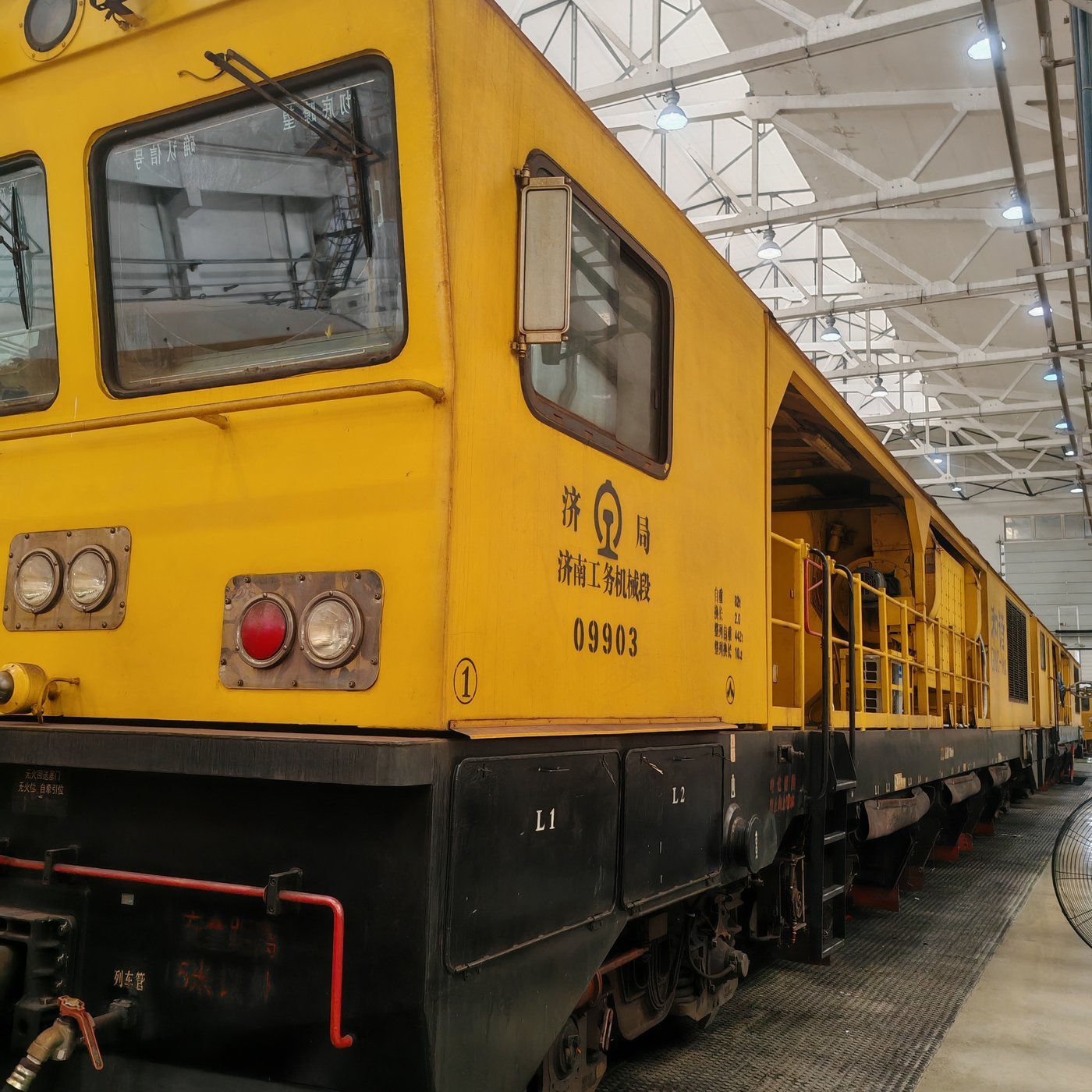
260x90x154 mm means outside diameter 260 mm, thickness 90 mm, bore (centre hole) 154 mm. Those three numbers describe only how the wheel mounts on the machine. What the wheel actually does is set by four further fields that are always printed with it: the abrasive, the grit, the bond, and the maximum working speed together with the balance grade. A full catalogue entry reads, for example: 260x90x154 mm, zirconia alumina, 16 grit, resin bond, 50 m/s, 3,630 rpm.
The three mounting numbers
| Field | Value in 260x90x154 | Why it must match |
|---|---|---|
| Outside diameter | 260 mm | Sets the surface speed at a given spindle rpm and must stay inside the machine's rated maximum diameter. As the wheel wears, diameter falls and surface speed drops with it. |
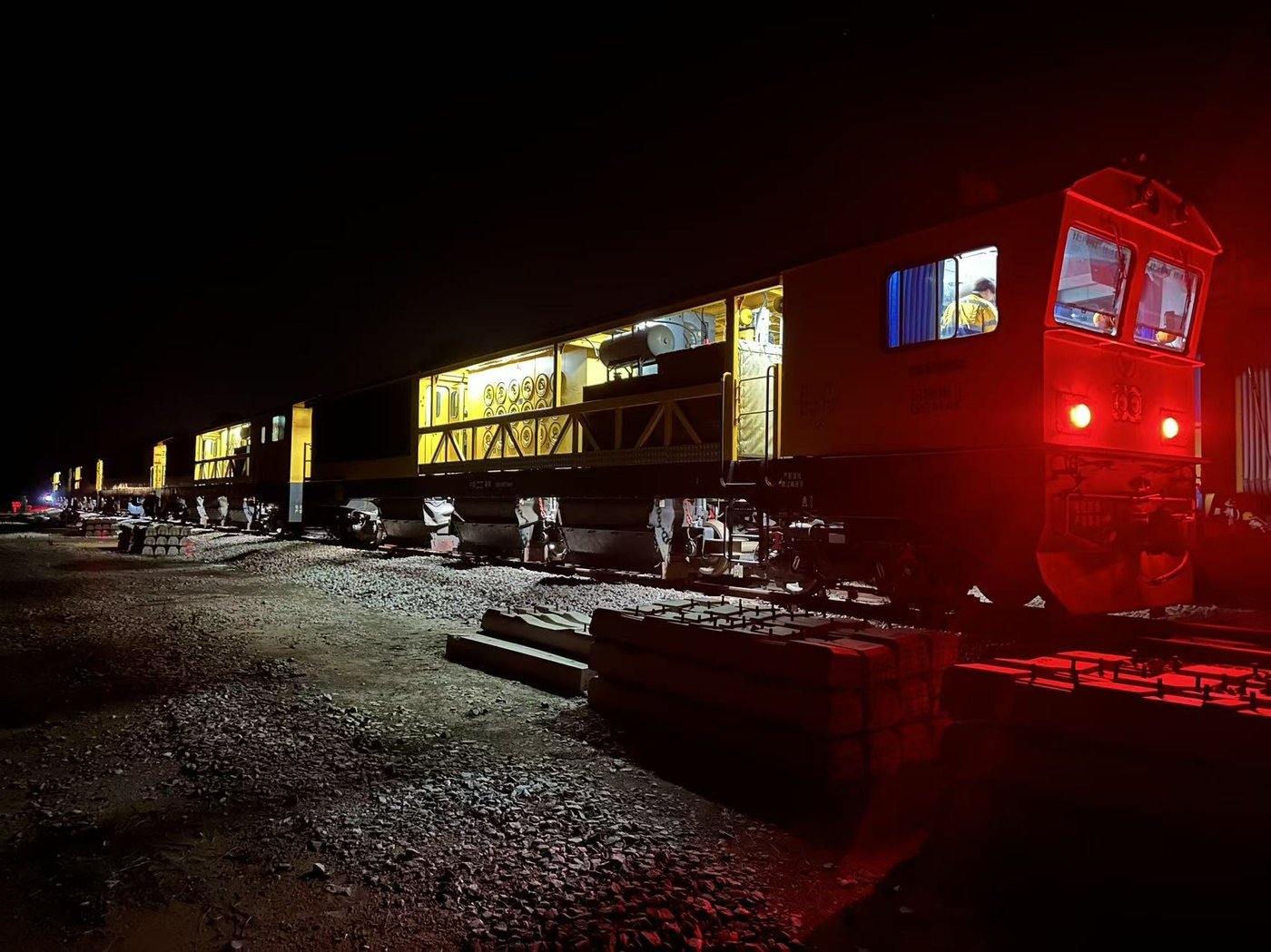
| Thickness | 90 mm | Thickness is wear reserve. Train wheels are thick so one wheel grinds many kilometres before it is changed; portable-machine wheels are thin because the machine is light. |
| Bore | 154 mm | The centre hole must match the hub or arbor exactly. A bore mismatch cannot be shimmed out — it destroys balance and is a safety issue. |
Compare that with the other families in the Molaton catalogue: 350x60x127 mm and 180x105x90 mm for 96-head class and compact train units, 250x75x150 mm and 260x83x154 mm for Loram-class vehicles, 150x70xM20 for portable machines where the bore is a thread rather than a plain hole, and 356x4x25.4 mm for cut-off wheels, where a 4 mm thickness is the point.
The four fields the size does not tell you
| Field | Typical rail specification | What it controls |
|---|---|---|
| Abrasive | Zirconia alumina (ZA) | Cutting ability and life. Measured compressive strength is 308.0 MPa for zirconia alumina against 124.0 MPa for calcined brown alumina and 103.2 MPa for white alumina; in the Shenhua project the grinding ratios were 41.0, 22.4 and 11.9 respectively. |
| Grit | 16 grit for train wheels, 20 for turnout and portable wheels, 30 for cut-off wheels | Stock removal rate versus finish. Coarse grit cuts faster; surface roughness must still finish inside the acceptance limit of Ra 10 μm. |
| Bond and reinforcement | Resin bond with glass-fibre wrap, rated 50 m/s | Survival under impact and heat. The 50 m/s rating follows GB 2494; the cut-off range is rated 100 m/s. |
| Balance grade | GB/T 2492: G1 ≤ 30 g, G3 ≤ 34 g | Vibration and chatter. An unbalanced wheel burns the rail surface and shortens its own life. |
Tolerances — the part of a specification nobody reads
Two wheels stamped 260x90x154 mm are not automatically interchangeable. Dimensional tolerance decides whether the wheel runs true, and it is specified under JB/T 7992 and JB/T 11431 — the rail grinding wheel standard RailwayCare drafted. The limits are outside diameter ±2.0 mm, thickness ±1.5 mm, parallelism ≤0.4 mm and concentricity ≤0.5 mm.
Why reading the specification correctly pays
Type testing of a 260x90x153 mm wheel rated 50 m/s at the Zhengzhou Research Institute for Abrasives & Grinding recorded 4,775 rpm for 30 seconds without rupture, a burst test held to 6,354 rpm without rupture, and 21 g unbalance — inside the G1 limit.
On track, the same nominal size can behave very differently. On Liuzhou GMC-96X in 2022, wheels of the same specification class ground 18.72 km·passes in a single 2-hour night window with 20-30 mm of wear against 43.5-59 mm for the imported wheel. On the Hewu high-speed line the figure was 4.28 km·passes per mm against 3.27. In the 2026 Loram DM01 trial at Jiangmen, surface roughness after grinding measured 1.05-9.0 μm, mostly 2-4 μm, against an acceptance limit of Ra 10 μm, with no burning on either side.
The practical rule: read the size for the machine, read the abrasive, grit, bond, speed rating and balance for the job. Ordering on 260x90x154 mm alone tells you the wheel will fit — not that it will grind economically.
Related questions you may also ask
What grit size and abrasive should I use for rail grinding? What is the difference between a rail grinding wheel and a grinding stone? Which grinding wheel fits Loram rail grinders? Domestic vs import railway grinder wheels: 5 key performance indicators comparedConfirm the specification before you order
Send the machine model and the size currently on it. Molaton engineers will confirm diameter, thickness, bore, abrasive, grit, speed rating and balance grade — so the wheel that arrives is the wheel the job needs.
Verify My Specification