What factors determine the rail grinding cycle? Is it a fixed schedule, or a customizable plan?
- Share
- Issue Time
- Dec 10,2025
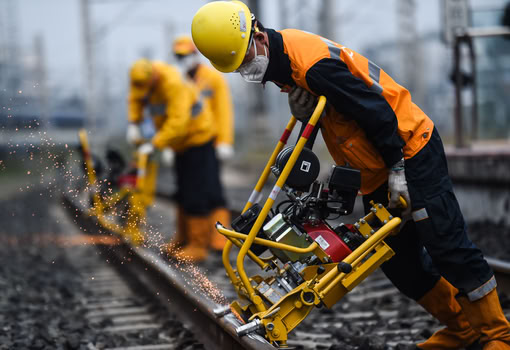
Rail grinding cycles are not fixed but are instead determined by a dynamic set of interrelated factors, making a customized, condition-based approach essential for optimal track maintenance. Key determinants include traffic volume and axle load (higher intensity accelerates rail wear), train speed (affecting contact stress and fatigue development), environmental conditions (moisture, temperature extremes, and contaminants like sand or leaves influence corrosion and adhesion), rail material properties, track geometry (sharp curves experience asymmetric wear), and historical defect patterns (such as corrugation, shelling, or rolling contact fatigue). Modern rail asset management systems integrate data from track inspection vehicles, ultrasonic testing, and grinding history to generate predictive maintenance plans. Rather than adhering to a rigid calendar-based schedule, we recommend a performance-driven strategy: grinding is performed when predefined thresholds for surface roughness, profile deviation, or crack depth are exceeded. This adaptive method maximizes rail life, reduces lifecycle costs, and enhances safety. We work closely with clients to develop tailored grinding programs aligned with their network priorities, budget constraints, and regulatory requirements—ensuring every pass delivers measurable value.