The Ultimate Guide to Rail Side Wear: From Root Cause Analysis to Effective Mitigation for Enhanced Safety and Longevity
- Share
- Issue Time
- Apr 17,2026
Summary
Rail side wear is a critical defect impacting railway operational safety and costs.
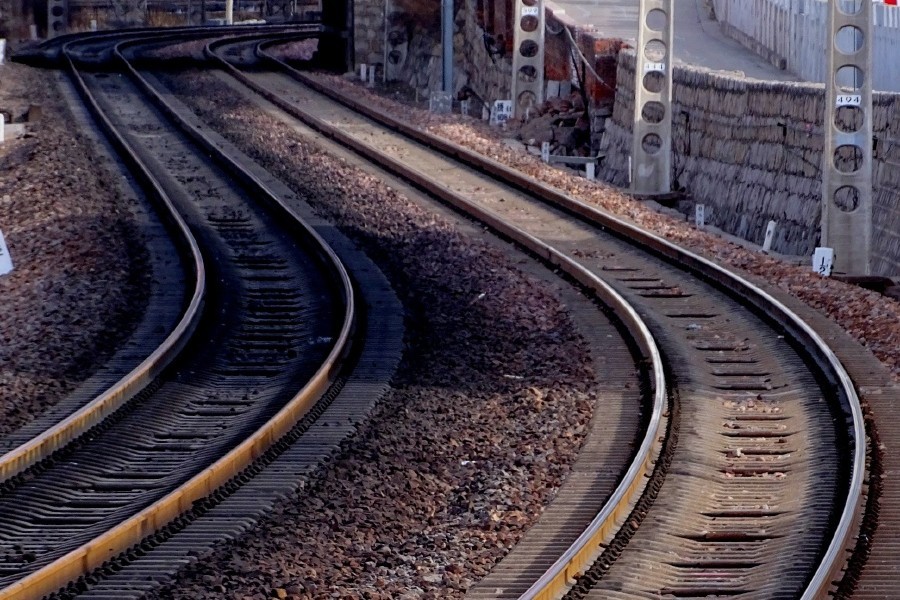
Turnouts endure extreme mechanical stress. Every train passage subjects switch blades, frogs, and guard rails to lateral impacts that accelerate wear. Left uncorrected, defects like weld protrusions or edge buildup become initiation points for fatigue cracks—a leading cause of rail fractures.
While standardized grinding procedures exist, their effectiveness hinges on precision tools, consistent consumables, and operator discipline. Below, we present the full turnout grinding workflow—widely adopted across global networks—and explain how RailwayCare’s integrated solution enhances each phase to deliver measurable safety and lifecycle value.
Unraveling the Causes: It's More Than Just "Friction"
The genesis of side wear stems from the complex dynamics of the wheel-rail system, with distinct drivers on different track alignments.
◉ Small-Radius Curves: The "Hotspot" for Wear
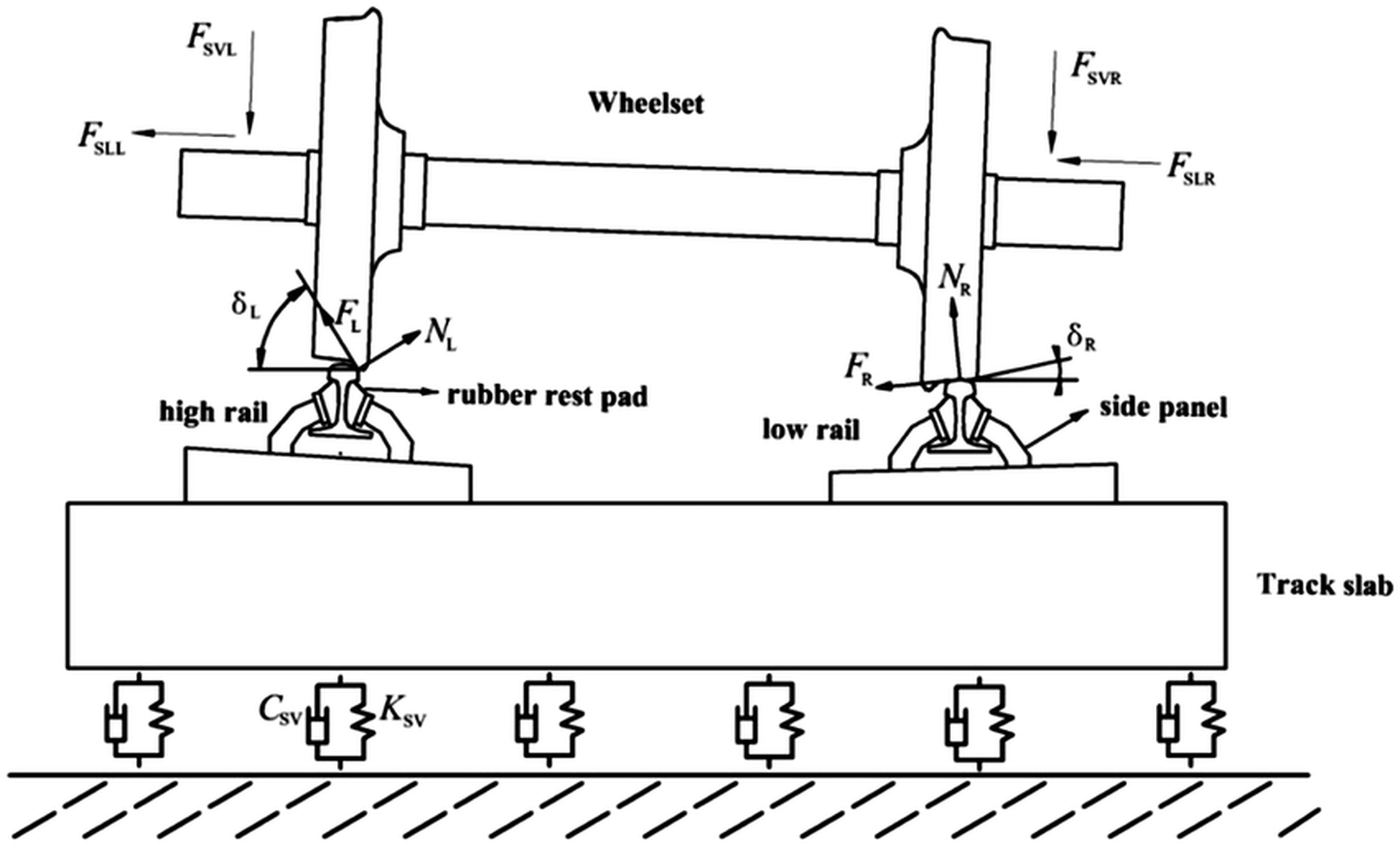
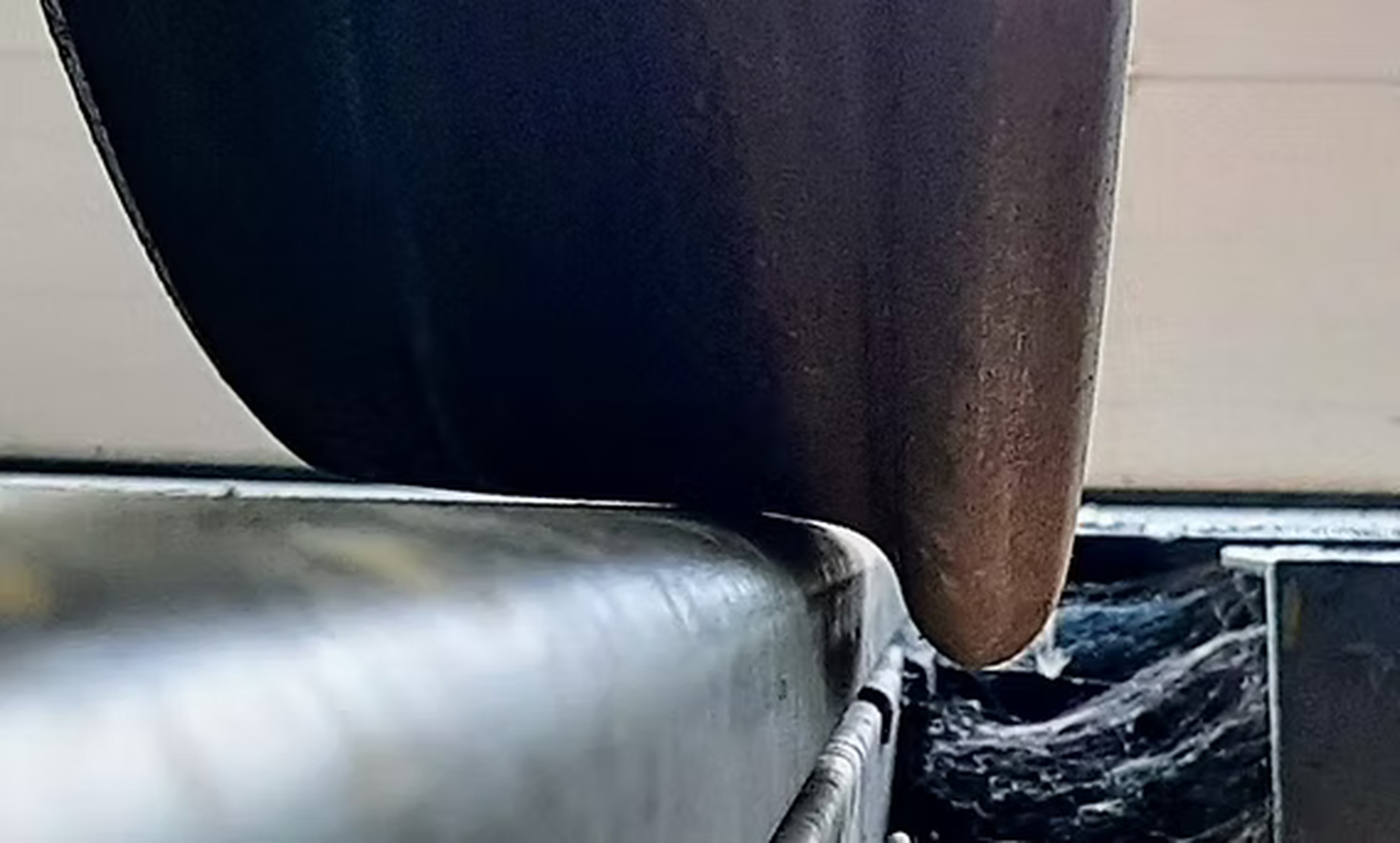
- ◈ Inherent Stress: The smaller the curve radius, the greater the lateral force exerted by the wheel flange against the outer rail's gauge corner as the train navigates the bend, leading to an exponential increase in wear rate.
- ◈ Mechanical & Thermal Fatigue: The outer rail endures lateral forces 3-5 times higher than on tangents, creating a continuous "filing" effect that rapidly deforms the rail profile. Concurrently, creepage and thermo-mechanical coupling can generate brittle "white etching layers" that spall off as fish-scale cracks, accelerating material loss.
- ◈ Maintenance Amplification: Poor curve geometry (e.g., versine deviations, gauge defects), ballast fouling, or loose fasteners further amplify wheel-rail impacts, exacerbating the wear problem.
◉ Tangent Tracks: The Mystery of "Alternating Side Wear"
- ◈ Side wear on straight sections is often non-uniform, manifesting as alternating wear on the two rails. Its root cause lies in minor directional irregularities upstream (typically 5-7mm, easily overlooked). These irregularities synchronize the phase of passing trains' hunting oscillation, subjecting fixed downstream points to periodic impacts and causing localized, repeated wear. This explains why merely treating the worn spot is ineffective; the solution must address the upstream trigger.
Survey and Marking: The Foundation of Precision
The consequences of side wear extend far beyond surface material loss:
◉ Soaring Economic Costs: Excessive wear (typically >12mm) forces premature rail replacement. The frequency of rail changes on small-radius curves is significantly higher than elsewhere, drastically increasing maintenance budgets.
◉ Heightened Safety Risks: A deformed rail profile disrupts the optimal wheel-rail contact, increasing the derailment coefficient and wheel unloading ratio, which can directly jeopardize train safety in severe cases.
◉ Induced Secondary Defects: Side wear can trigger a chain reaction of gauge widening, rail canting, and even corrugation, creating a vicious cycle that accelerates the overall deterioration of the track.
Rail Grinding: The Core Weapon for Precision Side Wear Management
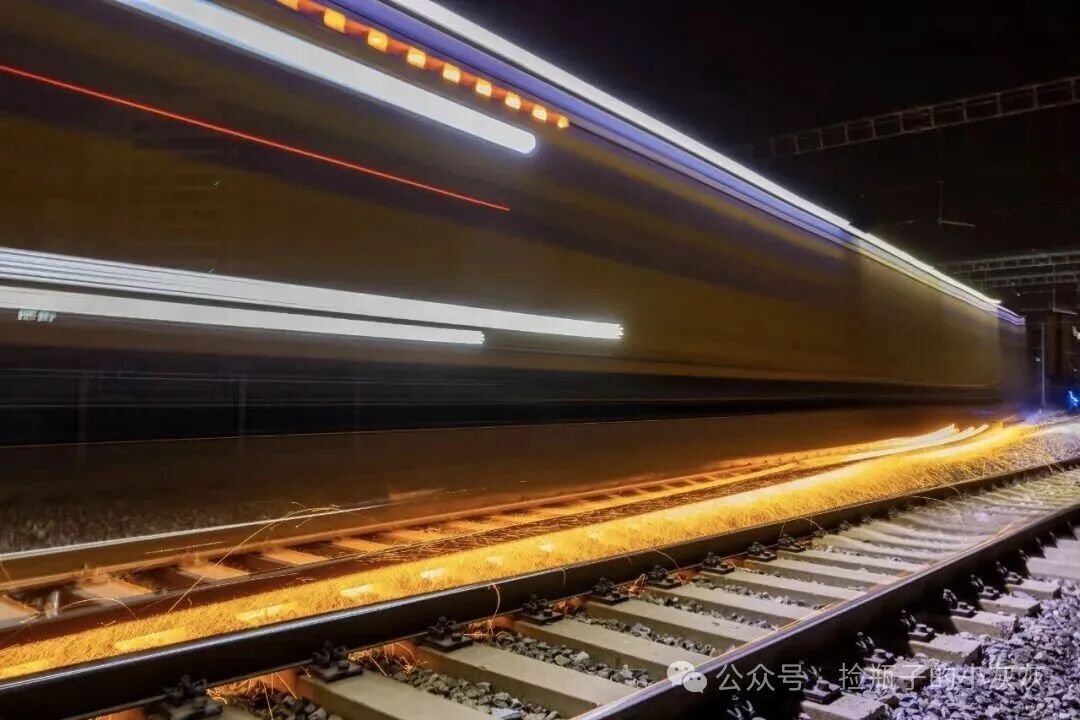
Faced with the challenge of side wear, reactive repairs are no longer sufficient. Proactive prevention and precise intervention are key. Rail grinding stands as the most critical maintenance tool.
- ◈ Asymmetric Profile Design: For curves, an asymmetric grinding strategy is essential. On the outer rail, focus on the gauge corner (removing ~0.3-0.5mm) to optimize the contact point and minimize flange contact. On the inner rail, refine the top-of-rail profile to improve rolling contact.
- ◈ Cyclical Remediation: It is recommended to perform corrective grinding on high-wear curves every three months to promptly remove rail rollover, micro-cracks, and incipient corrugation, thereby interrupting the damage progression cycle.
- ◈ Full-Profile Coverage: For rails exhibiting fatigue damage, full-profile grinding is necessary to ensure all surface defects are thoroughly removed.
Selecting the Right Rail Grinder Wheel: The Key to Efficiency and Precision
The success of a grinding operation hinges significantly on the performance of the rail grinder wheel. Choosing the right wheel is fundamental to achieving efficient and precise results.
◉ Material & Hardness: For high-hardness heat-treated rails (e.g., U78CrV), specialized wheels with high toughness and excellent thermal stability are required to ensure a consistent material removal rate and prevent rail burning.
◉ Grit Size & Bond: Coarser grit wheels can be used in the roughing stage for higher efficiency, while finer grit wheels are needed in the finishing stage to achieve a smooth rail surface. Resin-bonded wheels are the mainstream choice due to their superior self-sharpening properties and heat dissipation.
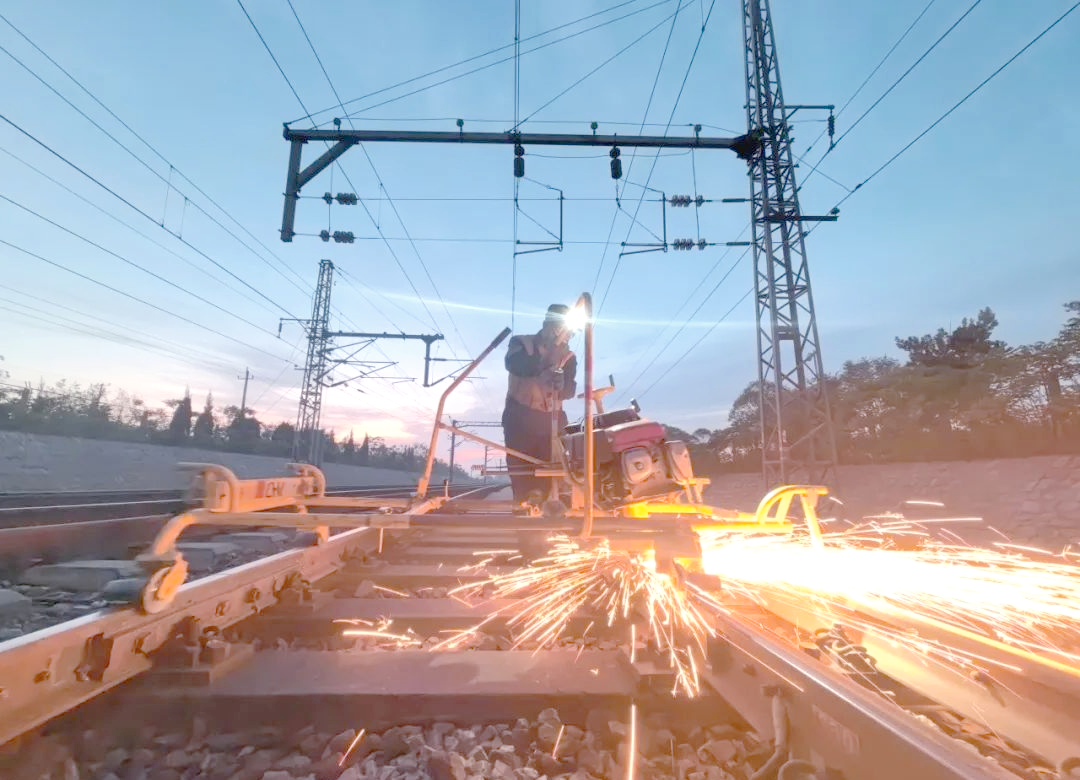
The Molaton RailwayCare range of grinding wheels is engineered specifically to tackle various rail defects. Its exceptional thermal stability and controllable cutting performance make it perfectly suited for everything from preventive grinding to deep remediation, ensuring every pass efficiently and precisely restores the ideal rail head profile, maximizing rail service life.
Integrated Management: Building a Comprehensive Defense System
Beyond grinding, a multi-pronged approach is needed to build a complete side wear defense system:
◉ Source Control: During design or rehabilitation, prioritize increasing curve radii and properly setting superelevation.
◉ Hardware Upgrades: Install wear-resistant alloy rails, increase sleeper density, and add gauge rods to enhance the track's lateral stiffness.
◉ Auxiliary Measures: Implement flange lubrication on the outer rail of small-radius curves, which can effectively reduce wear rates by 40%-80%.
◉ Precision Monitoring: Establish a side wear development log and combine track geometry car data with manual inspections for "early detection, early intervention."
FAQ
What causes rail side wear?
On small-radius curves the wheel flange bears against the outer rail gauge corner with lateral forces three to five times those on tangent track, so the metal is effectively filed away and the profile deforms. Poor curve geometry, ballast fouling and loose fasteners amplify the effect, and the same lateral work generates the brittle white etching layers that spall away as fish-scale cracks.
What is alternating side wear on tangent track?
Side wear on straight sections is often not uniform: the two rails wear in an alternating pattern. The cause is usually a small directional irregularity upstream — typically 5–7 mm, easily missed in a visual inspection — that synchronises the phase of the hunting oscillation of passing trains so that fixed downstream points take repeated lateral impacts. Treating only the worn spot will not stop it; the upstream trigger has to be corrected.
At what wear level must a rail be replaced rather than ground?
When the measured section loss reaches the limit for the line class, when cracks extend deeper than the permissible grinding allowance, or when further grinding would exceed the parent metal removal allowance. The practical limit table and the measurement practice that supports it are in rail wear measurement. Grinding can restore profile and contact geometry, but it cannot put back steel that has already been lost.
Which rail grinder wheel suits side wear correction?
One that holds a controlled cutting rate on the gauge corner without burning it, since the removal depths here are small and the passes are repeated. The wheel choice, and the wheel properties that prevent thermal damage in shallow corrective work, are covered in rail burning prevention and matching the wheel to the grinding vehicle.
How often should high-wear curves be ground?
Corrective grinding on high-wear curves is commonly scheduled about every three months, which removes rollover, micro-cracks and incipient corrugation before they consolidate. The interval should be set from measured wear rate on the section rather than from a calendar, and the curve-specific strategy is described in rail grinding on curves.
Take Action Now and Turn Challenges into Opportunities!
Are you struggling with rapid side wear on tight curves or persistent alternating wear on your tangents? Effective mitigation starts with the right tools and strategy.
Contact the RailwayCare expert team today!
We offer you:
◉ A complimentary professional consultation to tailor the optimal grinding and maintenance plan based on your specific line conditions (curve radius, axle load, traffic volume, etc.).
◉ A trial sample of our high-performance RailwayCare grinding wheels, so you can experience firsthand their outstanding ability to control side wear and extend rail life.
◉ Comprehensive technical support, guiding you from grinding parameter setup to post-grinding evaluation, every step of the way.
📧 Contact us: simon.wang@railwaycare.com
🌐 Explore our rail grinding solution: RailwayCare Rail Grinding Solution
📱 WhatsApp: +86 15072332788