Rail Corrugation: A Comprehensive Analysis of Causes, Impacts, and Precision Grinding Solutions
- Share
- Issue Time
- Apr 14,2026
Summary
Rail corrugation is a common and complex defect in railway operations, characterized by periodic wave-like irregularities on the rail surface.
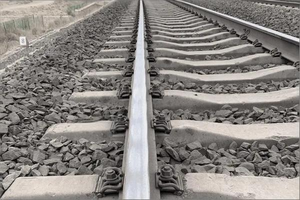
Rail corrugation, defined as the periodic uneven plastic deformation and wear along the longitudinal axis of the rail head running surface, is one of the most common and complex forms of rail damage. Its hallmark is a wave-like undulation where troughs exhibit severe plastic deformation, leading to a widened running band, while crests, with minimal deformation, show a narrower band. This regular irregularity is not only a sign of deteriorating track condition but also a major threat to operational safety and ride comfort.
Multidimensional Causes: From Macro Theories to Micro Mechanisms
The formation mechanism of corrugation is rooted in the dynamic interplay between wheel and rail. Traditionally, it can be attributed to three macro-level theories: frictional self-excited vibration, feedback vibration, and contact fatigue. However, modern wheel-rail dynamics research, through frequency analysis, has precisely linked these macro phenomena to specific system resonance modes, identifying three main types of corrugation.
Type 1: P2 Force Resonance
- ● Characteristic Frequency: Below 100 Hz.
- ● Formation Mechanism: Caused by the P2 resonance of the wheel-rail system, where the unsprung mass (wheelset) bounces vertically on the track's support stiffness. When a vehicle passes over an initial irregularity, this resonance is excited, causing a periodic fluctuation in vertical wheel-rail forces, which then exacerbates corrugation growth through a feedback mechanism.
- ● Key Parameters: Primarily influenced by unsprung mass and track support stiffness. This typically corresponds to long-pitch corrugation on mixed-traffic lines.
Type 2: Wheelset Secondary Torsional Mode Dominated (Most Common & Challenging)
- ● Characteristic Frequency: Around 300-350 Hz (corresponding to a wavelength of approximately 25-100mm, with 50mm being most common).
- ● Formation Mechanism: This is the core finding of current research! The corrugation frequency aligns closely with the secondary torsional mode of a powered wheelset (with a drive gear). In this mode, the two wheels twist in the same direction, while the central drive gear twists in the opposite direction. When one wheel (e.g., the right wheel) encounters a minor irregularity, it excites a torsional vibration of the entire wheelset. This vibration is transmitted via the axle to the other wheel (the left wheel), causing its rotational speed to fluctuate. Crucially, even if the rail under the left wheel is perfectly smooth, this speed fluctuation—originating from the opposite rail—will cause variations in creepage, thereby "engraving" corrugation onto the previously smooth rail. This mechanism explains why corrugation is often observed on rails far from joints or obvious irregularities.
- ● Key Triggers: Frequent train traction, braking (which generate longitudinal forces), and curve negotiation are the primary external conditions that excite this type of corrugation. This mechanism, driven by longitudinal creepage fluctuations, is the principal "culprit" behind short-pitch corrugation on metros and high-speed railways.
Type 3: Track Pinned-Pinned Resonance
- ● Characteristic Frequency: Above 600-800 Hz.
- ● Formation Mechanism: The excitation frequency matches the pinned-pinned (between fastener points) resonance frequency of the track. In this resonance, the rail undergoes high-frequency bending vibrations with the fasteners as nodal points, leading to uneven material wear on the rail surface.
- ● Key Parameters: Primarily influenced by fastener spacing and rail linear density.
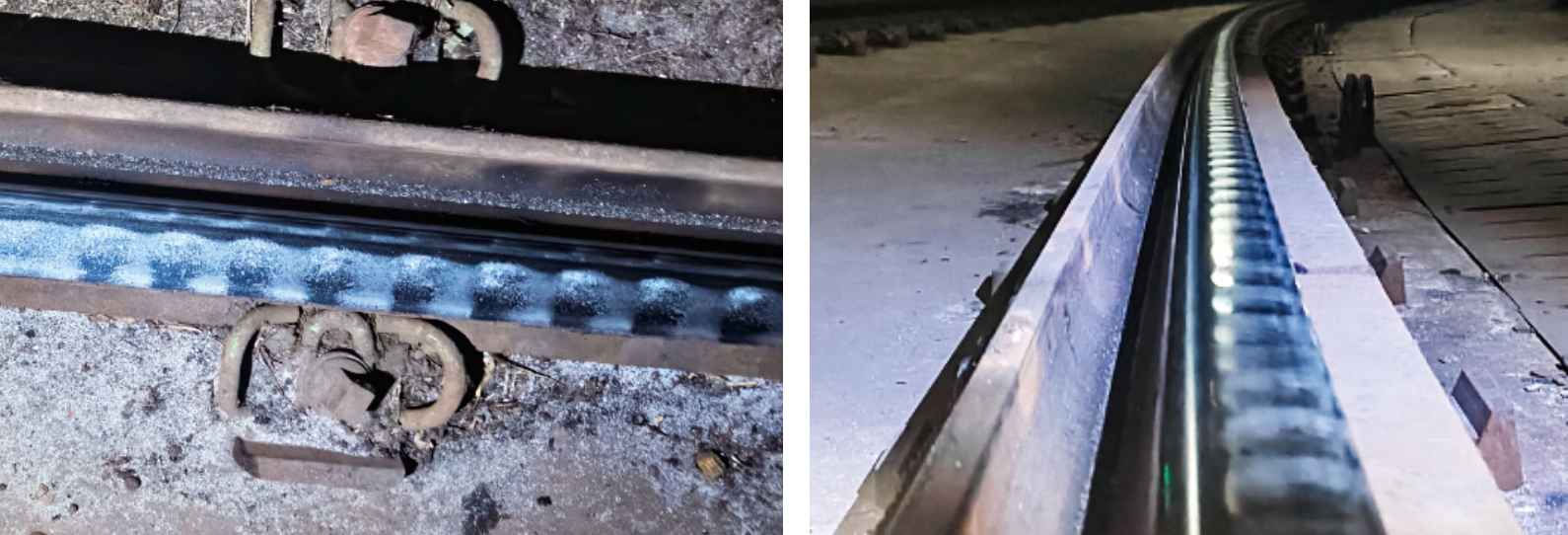
Additionally, unique corrugation patterns can emerge in special track structures, such as "scalloped" corrugation related to lateral forces on small-radius curves with guard rails, or distinctive corrugation in sections with resilient boot sleepers due to the introduction of new, low-damping system resonances.
Corrugation Characteristics Across Different Railway Types
The specific form of corrugation is closely tied to operational conditions:
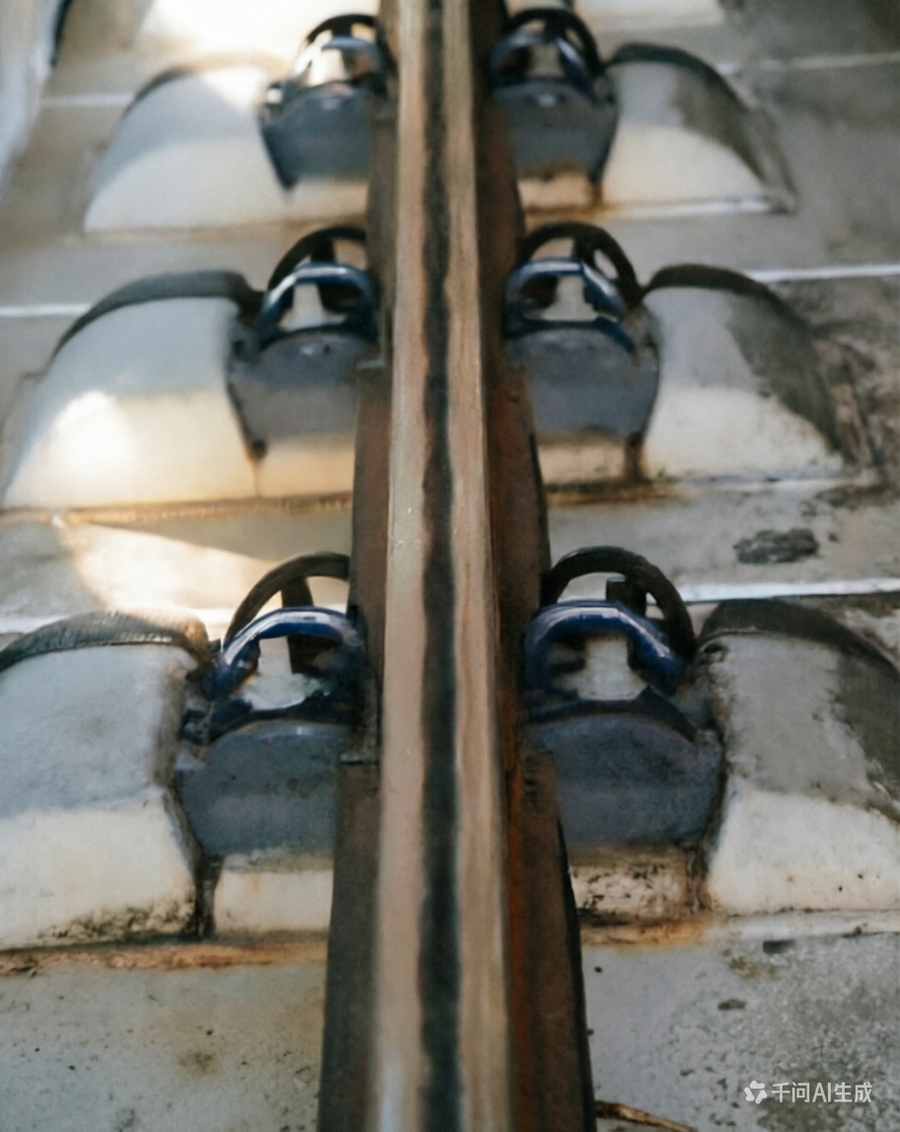
- ● Metro Lines: Characterized by light axle loads, numerous small-radius curves, and short station intervals, requiring frequent acceleration and braking. This results in short-pitch (30-80mm), shallow corrugation that generates high-frequency vibrations (>200Hz), significantly impacting passenger comfort. This is the typical domain of Type 2 (Wheelset Torsional Mode) corrugation.
● Mixed-Traffic Railways: Heavy-haul trains cause long-pitch (200-300mm), deep corrugation with low-frequency vibrations (~30Hz), primarily threatening track structural integrity. This is often associated with Type 1 (P2 Force Resonance).
● High-Speed Railways: Corrugation shows no strong preference for alignment type, appearing non-contiguously (each section ~10-15m long) on tangents, transition, and circular curves. Its wavelength ranges from 60-150mm, with a shallow depth (0.04-0.10mm), but poses critical challenges to the stringent smoothness and safety requirements of high-speed operations. Corrugation on high-speed lines is also predominantly driven by the Type 2 mechanism.
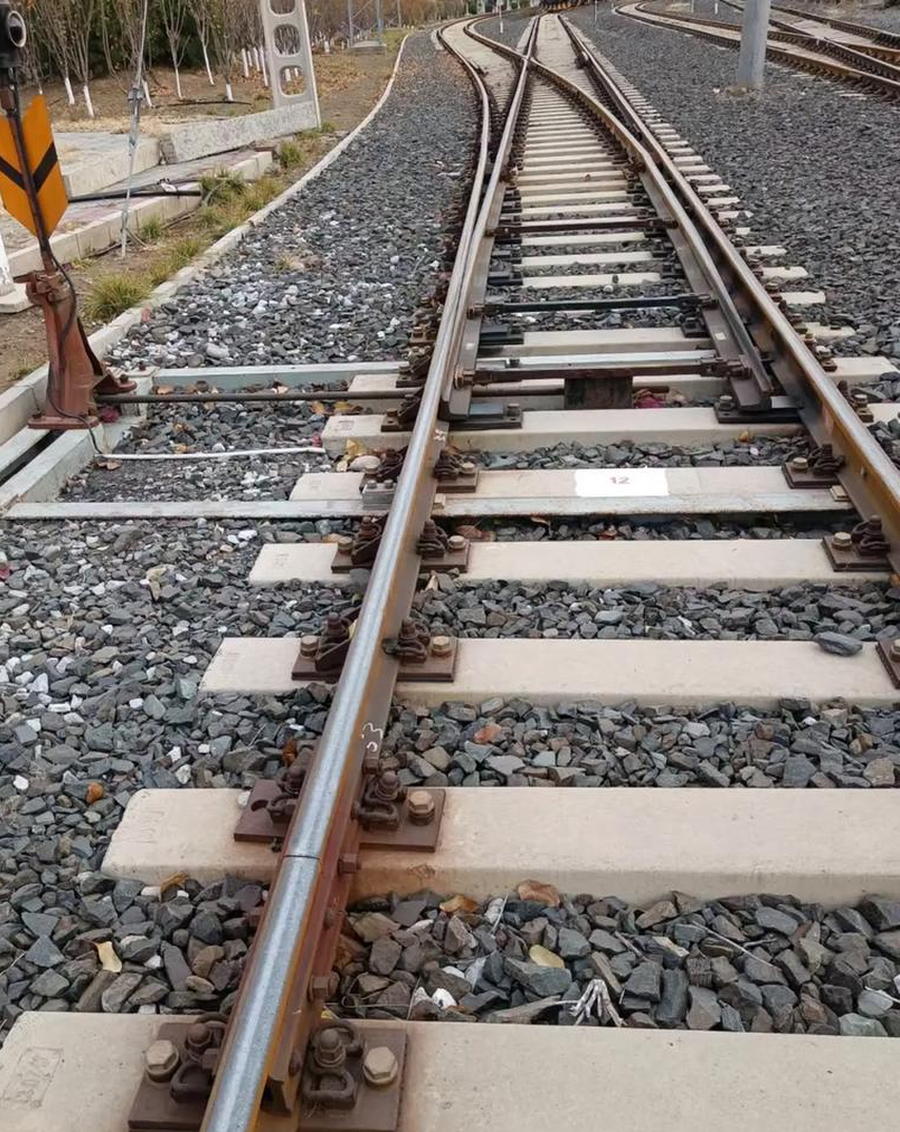
● Turnout Areas: Manufacturing and installation deviations are amplified under train loads, making turnouts highly prone to corrugation. Wavelengths of 80-300mm are common on the curved leg; 300-1000mm corrugation can occur throughout the entire turnout; and ultra-long wavelengths of 1000-2500mm often originate from initial rolling imperfections in the rail.
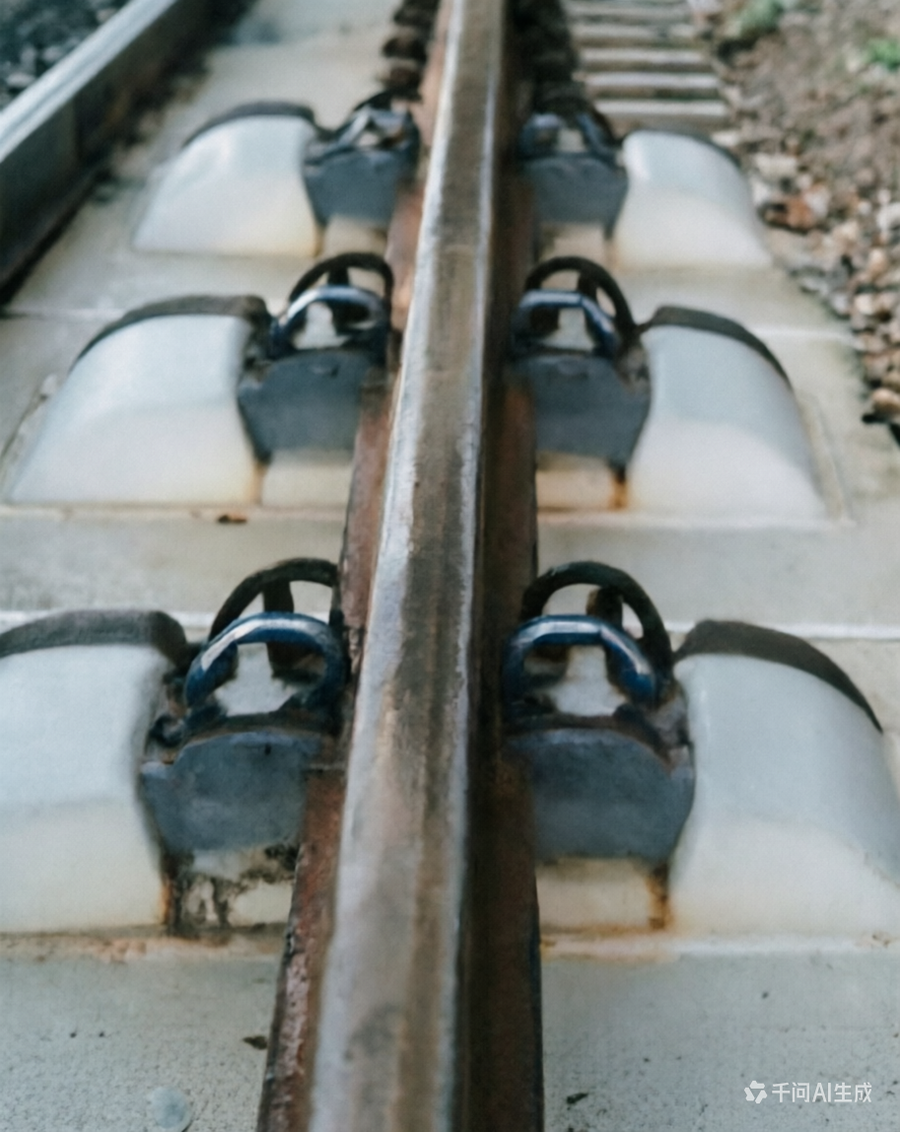
Metro Lines
Rail corrugation
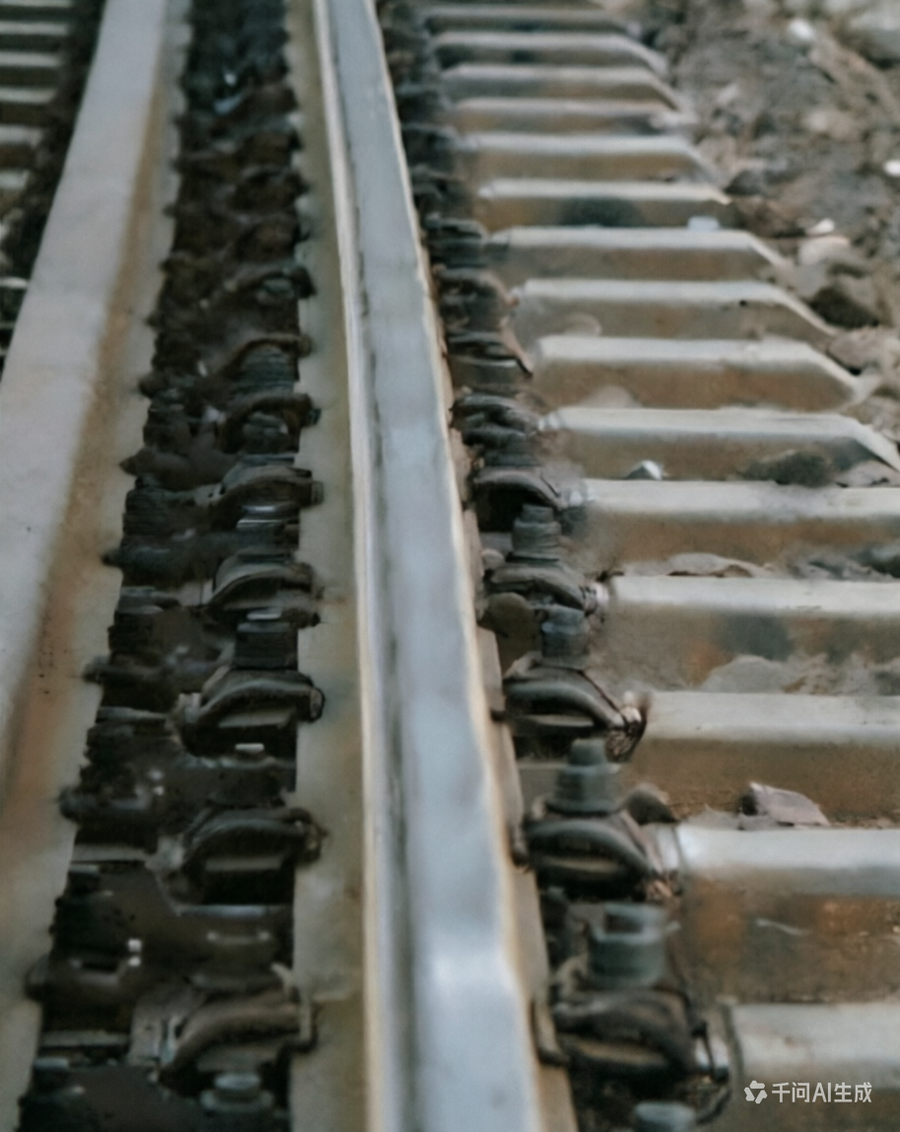
Mixed-Traffic Railways
Rail corrugation
High-Speed Railways
Rail corrugation
Turnout Areas
Rail corrugation
Extensive Impacts: A Cascading Effect from Track to Train
The hazards of corrugation are systemic and far-reaching:
● Damage to Track Structure:
- ● Accelerated Ballast Degradation: Vertical impacts crush the ballast.
- ● Induced Voiding and Mud Pumping: Voided sleepers cause white sub-ballast to appear on the surface, and prolonged voiding combined with water leads to mud pumping.
- ● Increased Sleeper Failure: The intense vertical force at corrugation crests accelerates sleeper damage.
● Impacts on Train Operations:
- ● Induced Voiding and Mud Pumping: Voided sleepers cause white sub-ballast to appear on the surface, and prolonged voiding combined with water leads to mud pumping.
- ● Induced Voiding and Mud Pumping: Voided sleepers cause white sub-ballast to appear on the surface, and prolonged voiding combined with water leads to mud pumping.
- ● Induced Voiding and Mud Pumping: Voided sleepers cause white sub-ballast to appear on the surface, and prolonged voiding combined with water leads to mud pumping.
Measurement, Evaluation, and Precision Remediation
Addressing this complex defect requires scientific measurement and precise remediation.
● Measurement Tools: Rail corrugation gauges are fundamental for ensuring safety, guiding maintenance, and extending rail life. Accurate professional measurements require placing the instrument ends at the wave's nodal points.
● Remediation Strategy for Conventional Railways:
- ● Corrugation with a wavelength ≤300mm is addressed by grinding to a depth ≥ trough depth + 0.2mm.
- ● Long-pitch corrugation (>300mm) requires initial milling (depth ≥ trough depth + 0.1mm), followed by grinding to restore the profile.
● Acceptance Criteria for High-Speed Railways: Post-remediation, strict acceptance criteria must be met, as detailed in the table below. All measurements must be completed within 8 days post-grinding or before 0.3 million gross tons (Mt) of traffic.
Rail Grinding acceptance standard for rail corrugation
Item | Acceptance Std. | Measurement Method | Notes | |||||
Wavelength (mm) | 10 ~ 30 | 30 ~ 100 | 100 ~ 300 | 300 ~ 1000 | ||||
Evaluation Window Length (mm) | 600 | 600 | 1000 | 1500 | | |||
Avg. Trough Depth (mm) | 0.02 | 0.02 | 0.03 | 0.15 | Instrument precision ≥ 0.01 mm; test length ≥ window length | Measured within 8 days post-grinding or before 0.3 Mt traffic | ||
Allowable Exceedance Rate | 5% | 5% | 5% | 5% | Continuous measurement over 100 m (on-board) or 30 m (manual) | |||
Frequently Asked Questions About Rail Corrugation
What causes rail corrugation?
Corrugation is a dynamic phenomenon before it is a wear phenomenon. Three mechanisms account for most of it: the P2 resonance of the wheel-rail system at low frequency; the secondary torsional mode of a powered wheelset, which drives the 25–100 mm wavelengths seen on powered track and is the hardest to control; and pinned-pinned resonance of the track itself on stiff, lightly damped structures. Every one of them is fed by the vertical force fluctuation that an existing irregularity creates.
How is corrugation measured and graded?
On-board measurement systems record the longitudinal profile and extract the wavelength spectrum; manual inspection uses a 1 m straightedge and a depth gauge. Acceptance is set on average valley depth and wavelength rather than on how visible the pattern is – typically an average depth above 0.04 mm measured on board, or a maximum of 0.08 mm by hand. The measurement practice is set out in our guide to rail wear measurement.
Can grinding remove corrugation permanently?
The pattern that is present can be removed, and the profile restored – but the resonance that produced it stays in the vehicle-track system. Unless the grinding changes the contact conditions that feed it, the same wavelengths return. This is why corrugation is managed by the target profile and by grinding interval, not by cutting deeper. The method, and how to verify the result, are in our guide to rail corrugation grinding.
What does corrugation cost if it is left alone?
Left unattended, corrugation grows into a cascading cost: dynamic wheel loads rise, fastenings and ballast take more punishment, rolling contact fatigue accelerates below the surface, and ride quality and noise complaints follow. The mechanisms are examined in our review of rolling contact fatigue, and the through-life economics of grinding against them in rail grinding cost per kilometre. For the complete picture of the process itself, see our complete guide to rail grinding.
The RailwayCare Solution: A Reliable Partner for Comprehensive Corrugation Management
Facing diverse challenges—from high-frequency short-pitch corrugation in metros to deep, long-pitch waves on heavy-haul lines—the Molaton RailwayCare range of grinding wheels delivers exceptional thermal stability and controllable material removal rates, adapting to a wide array of complex grinding scenarios. Whether for preventive maintenance or deep remediation, RailwayCare efficiently and precisely restores rail smoothness, effectively interrupting the formation and growth cycle of corrugation, providing robust maintenance support for all types of rail networks.
Get Your Customized Solution
Whether your network serves bustling city metros, carries the nation's heavy freight, or powers high-speed trains across the landscape, Molaton has a professional solution for your rail corrugation challenges.
Contact us now, and let RailwayCare safeguard every inch of your track.
📧 Contact us: simon.wang@railwaycare.com
🌐 Explore our grinding solution: www.railwaycare.com/comm01/Rail-Grinding-Solution.htm
📱 WhatsApp: +86 15072332788