Rail Burning Prevention: Why Your Railway Grinder Wheel Choice Matters Most
- Share
- publisher
- Molaton
- Issue Time
- Jul 23,2026
Summary
Rail burning causes, consequences and prevention. How the right railway grinder wheel eliminates burn risk. Molaton zero-burn record on Harsco 96 field data.
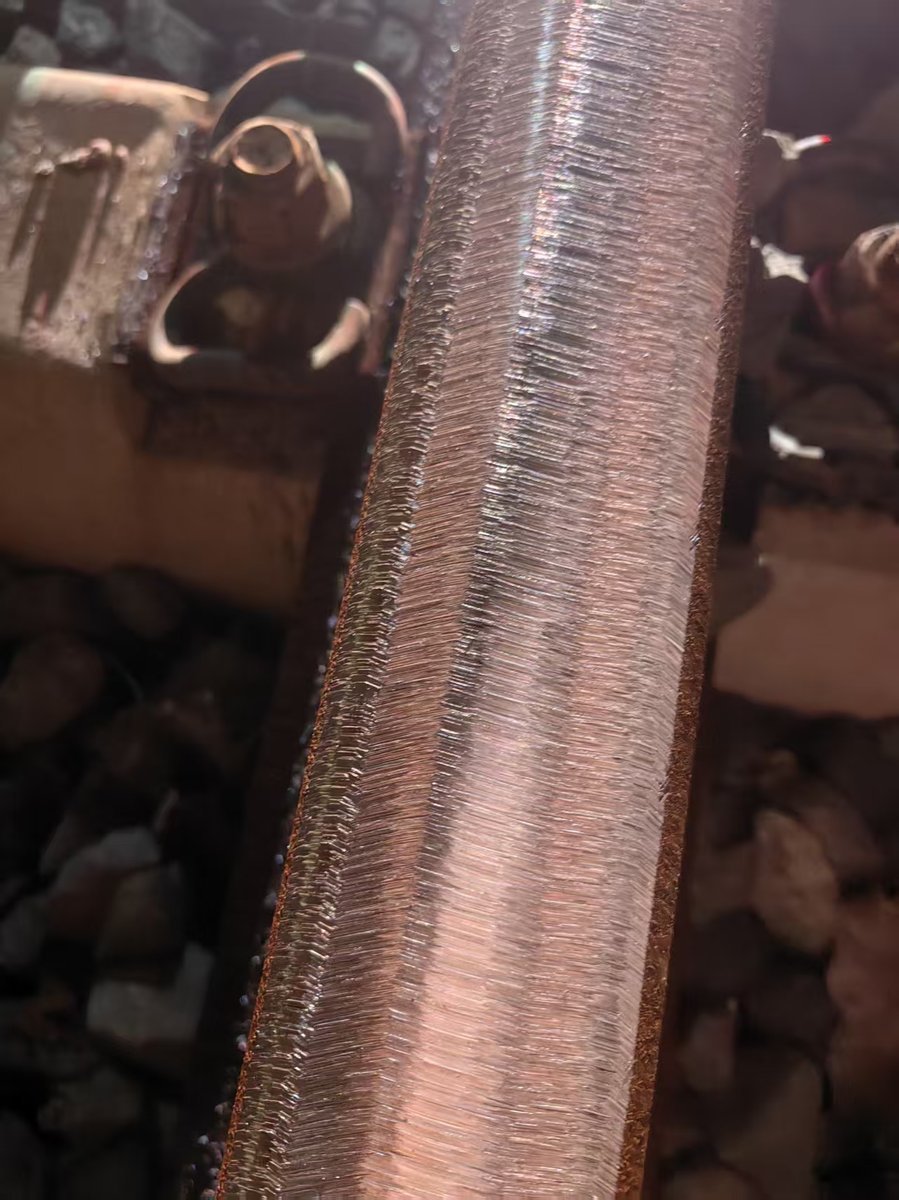
Your tracks are our priority. Choose RailwayCare for reliable rail maintenance and superior rail grinding expertise. Rail burning — the formation of a hard, brittle white etching layer (WEL) on the rail surface due to excessive grinding heat — is one of the most costly quality failures in rail grinding operations. A single burn incident can require re-grinding several meters of rail, or in severe cases, rail replacement. Understanding the root causes and selecting the right railway grinder wheel is the most effective strategy for eliminating burns entirely.
Rail burning occurs when the temperature at the grinding interface exceeds the austenitizing temperature of rail steel — approximately 720°C for standard carbon-manganese rail grades. At this temperature, the surface layer transforms to austenite. When the passing railway grinder wheel moves on, the thin heated layer is rapidly quenched by the cold bulk metal beneath, forming martensite — a hard, brittle, and crack-sensitive microstructure.
Burning is not a random event — it has five identifiable root causes, most of which are directly related to railway grinder wheel selection and operating parameters:
An excessively hard wheel bond holds dull grains too long, increasing friction force and heat generation before the grains finally fracture or release. Excessive spindle pressure forces deeper grain penetration, generating more frictional energy than the rail can dissipate. Grinding too slowly increases contact time per unit length, concentrating heat input. Below 4 km/h, burn risk increases exponentially. Low wheel porosity reduces air flow through the grinding interface. Heat accumulates rather than being carried away. Clogged wheel pores prevent grinding chips from evacuating, causing chips to be re-ground and generating additional frictional heat.
When a railway grinder wheel overheats the rail surface, a sequence of metallurgical transformations occurs within milliseconds:
The damage is permanent. The only remedy is to grind away the entire martensitic layer, which may require removing 0.3–0.5 mm of rail material.
The most effective burn prevention strategy is selecting a railway grinder wheel that actively manages heat generation:
Even the best railway grinder wheel can produce burns if operating parameters are poorly selected. The relationship between speed, pressure, and temperature is non-linear:
The safe operating window for each railway grinder wheel formulation is determined by testing. Molaton provides recommended operating parameter ranges with every wheel shipment.
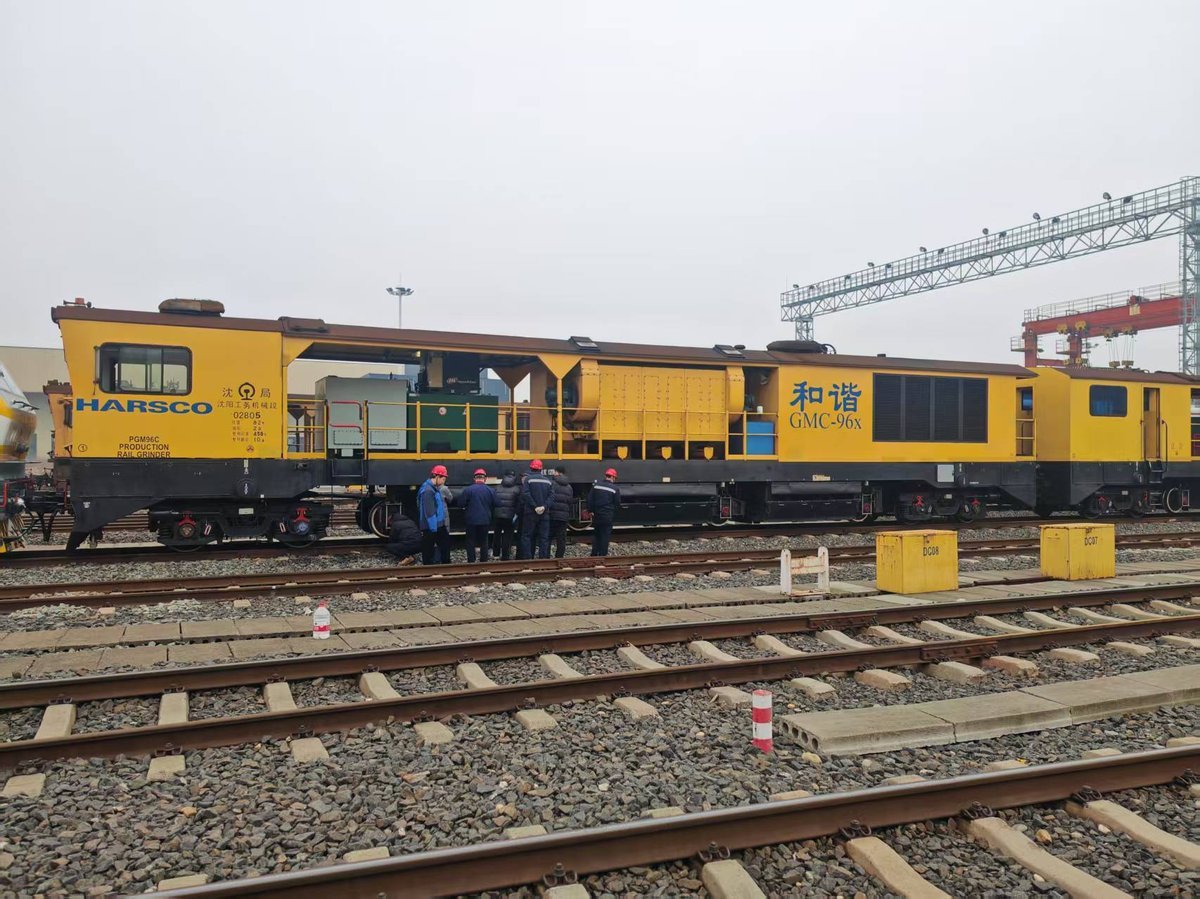
The most compelling evidence for effective burn prevention comes from field data. On a Harsco 96-head grinding vehicle operating on heavy-haul lines, Molaton hot-pressed zirconia alumina railway grinder wheel products achieved:
The combination of zirconia alumina grain self-sharpening, hot-pressed bond uniformity, and engineered porosity created a thermal management system that kept rail surface temperatures safely below the austenitizing threshold throughout the entire test campaign.
Burns must be detected quickly during grinding operations to prevent rework costs. The accepted detection methods are:
Blue-black discoloration bands on the rail surface. The primary screening method but cannot detect sub-surface burns. Reveals thermal cracks associated with martensite formation. Used for verification when visual indication is present. Surface hardness > 450 HV indicates martensite. Portable Leeb testers are used for field verification. Nital etching reveals white etching layer. Definitive test but requires surface preparation.
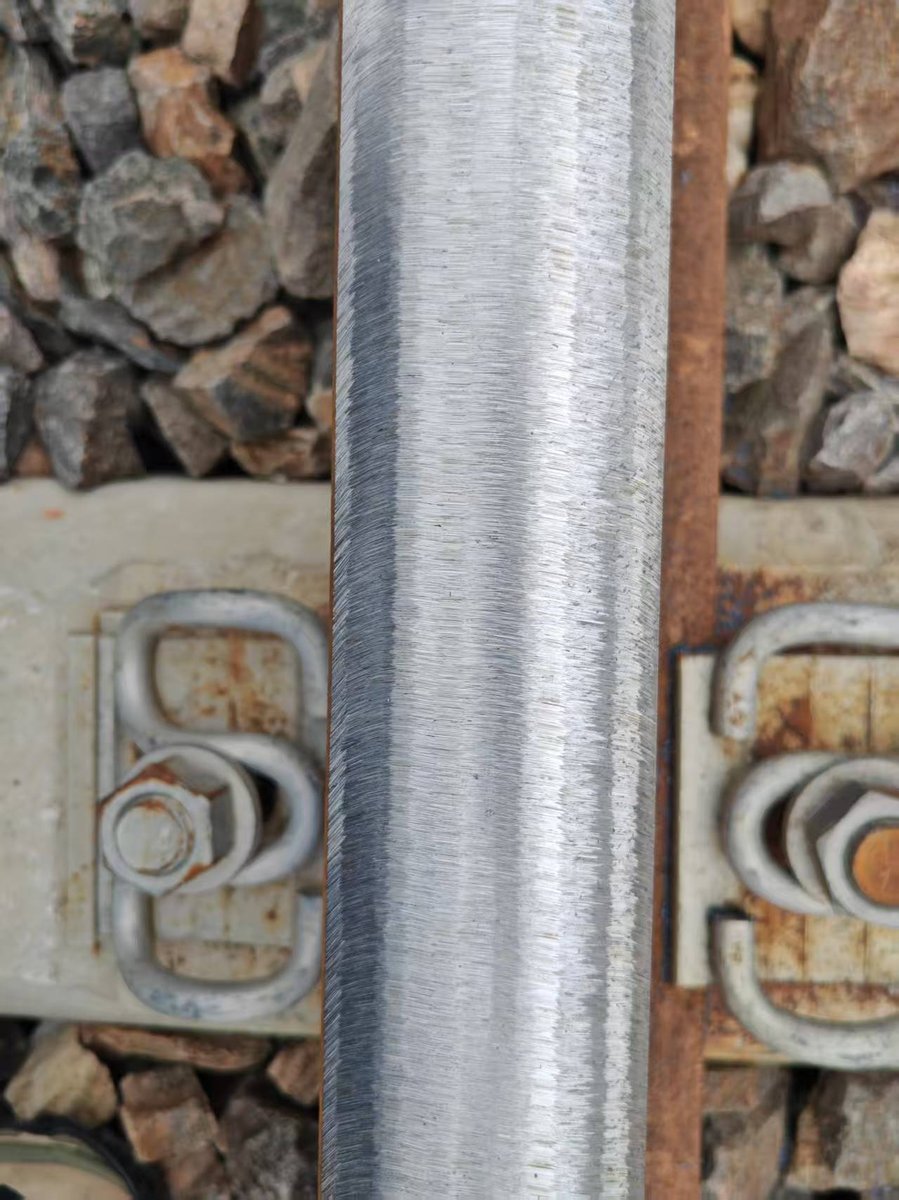
Across the rail industry, a universal rule applies: the ground rail surface must show no continuous blue discoloration bands. This rule appears in every major railway's grinding specification, including:
Achieving zero-blue-band compliance consistently requires a railway grinder wheel designed specifically for thermal management — which is exactly what Molaton's hot-pressed zirconia alumina product line delivers.
The manufacturing process directly affects burn risk:
The superior thermal management of hot-pressed wheels reduces burn incidence by a factor of 10–30 compared to cold-pressed alternatives.
To eliminate rail burning from your grinding operations, follow these recommendations:
Molaton offers a dedicated burn-prevention railway grinder wheel series with enhanced thermal management features. Our engineering team can review your current operation and recommend the optimal specification to achieve zero-burn performance.
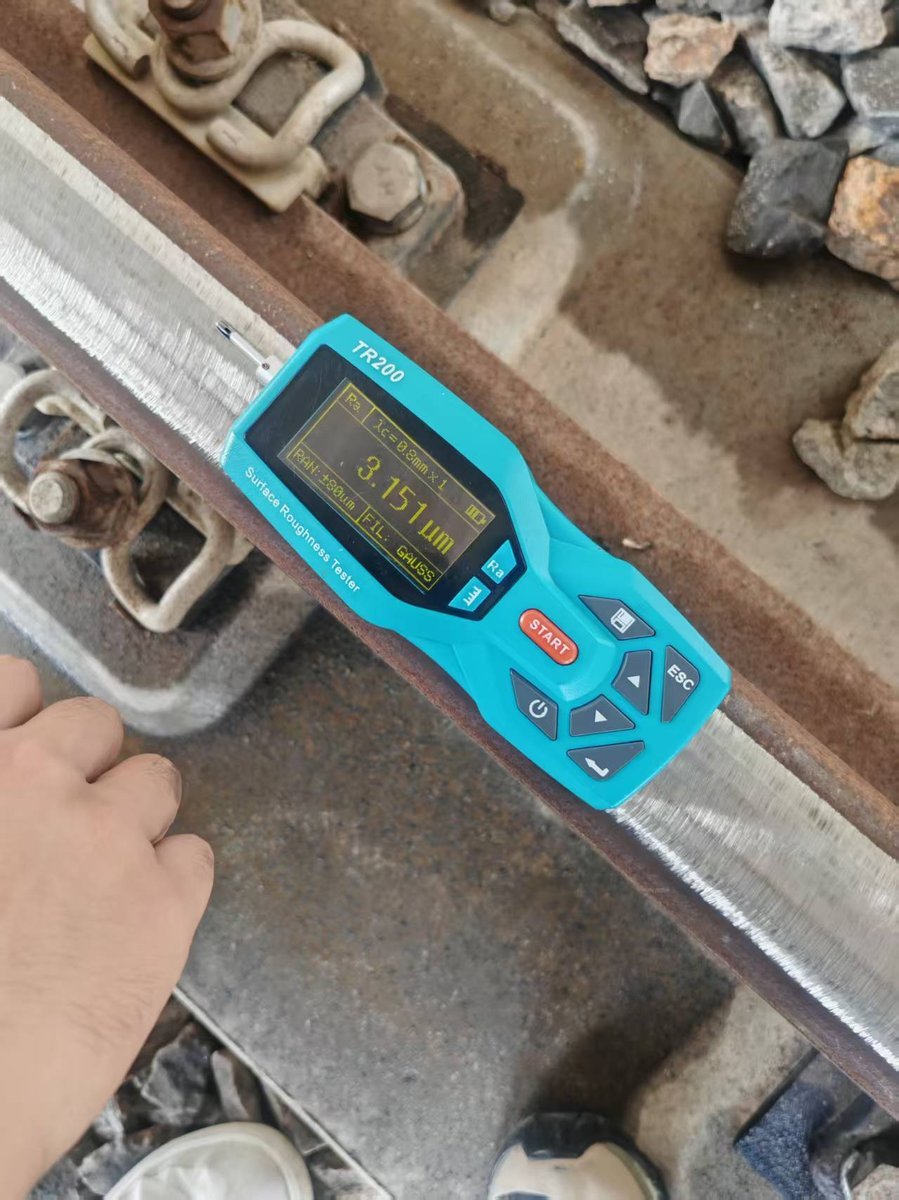
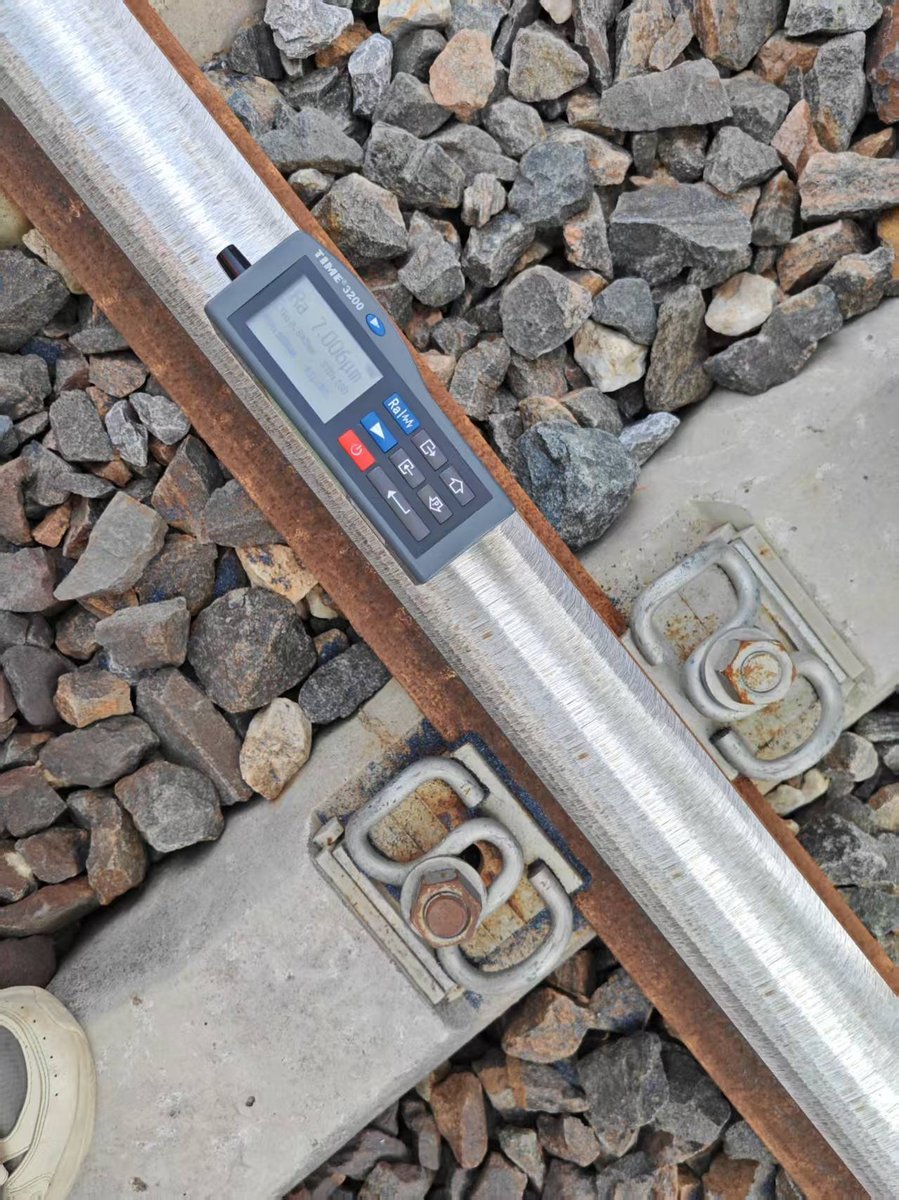
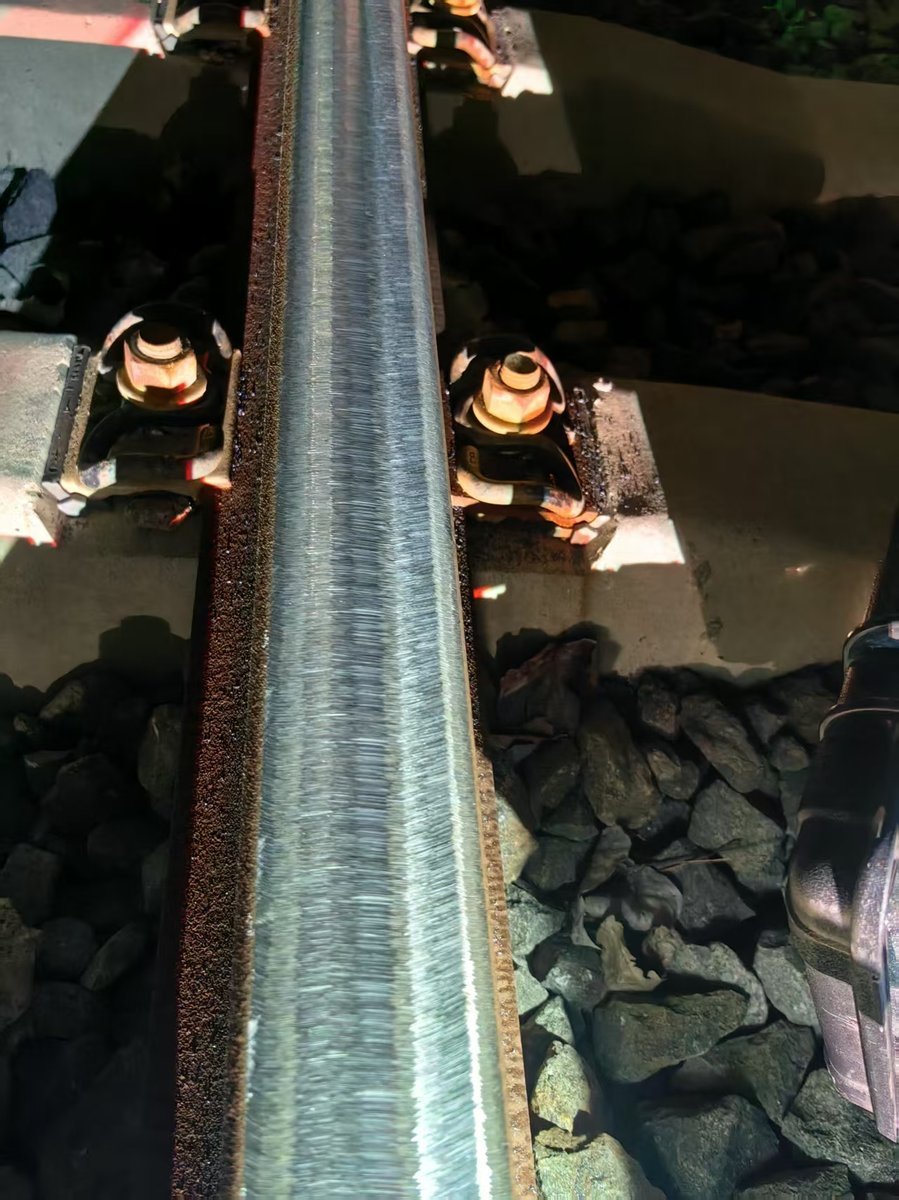
Additional photographs from Molaton's railway grinder wheel field operations and manufacturing, providing more visual evidence of product quality and grinding performance. Contact RailwayCare today to learn how our expert rail grinding services can enhance the performance and safety of your railway infrastructure. Let us help you keep your trains running smoothly and safely. • Website Product list page: www.railwaycare.com • Email: simon.wang@railwaycare.com • WhatsApp: +86 15072332788 Your tracks are our priority. Choose RailwayCare for reliable rail maintenance and superior rail grinding expertise. Contact Molaton for a burn-prevention consultation. We will analyze your current grinding parameters and recommend a zero-burn railway grinder wheel solution.What Is Rail Burning and How Does It Damage the Track Structure?
Five Root Causes of Rail Burning in Railway Grinder Wheel Operations
1. Wheel Hardness Too High
2. Grinding Pressure Too High
3. Speed Mismatch
4. Insufficient Cooling
5. Poor Chip Clearance
The Metallurgical Reality: What Happens Inside the Rail When a Railway Grinder Wheel Burns It
Preventing Rail Burns Through Proper Railway Grinder Wheel Selection
Wheel Property Burn Prevention Mechanism Molaton Specification Grain type Self-sharpening grains reduce friction force Zirconia alumina Bond hardness Optimized bond prevents grain glazing Controlled hot-pressed Porosity Pores provide cooling air flow 15–22% engineered porosity Grain size Smaller grains = finer chips = less heat 24–36 grit range Wheel density Uniform density prevents hot spots ±2% density variation Operating Parameters: The Speed-Pressure-Temperature Triangle
Molaton Zero-Burn Track Record: Harsco 96 Field Data
Burn Detection Methods and Acceptance Standards
Visual Inspection
Magnetic Particle Testing
Hardness Testing
Acid Etching
The No-Blue-Band Rule: A Universal Grinding Quality Standard
Comparing Burn Incidence: Hot-Pressed vs Cold-Pressed Railway Grinder Wheels
Parameter Hot-Pressed (Molaton) Cold-Pressed Porosity control ±1% target ±3–5% target Hardness uniformity ±1 grade ±2–3 grades Burn incidence (field data) <0.1% 1–3% Blue band occurrence Rare, isolated Occasional, systematic 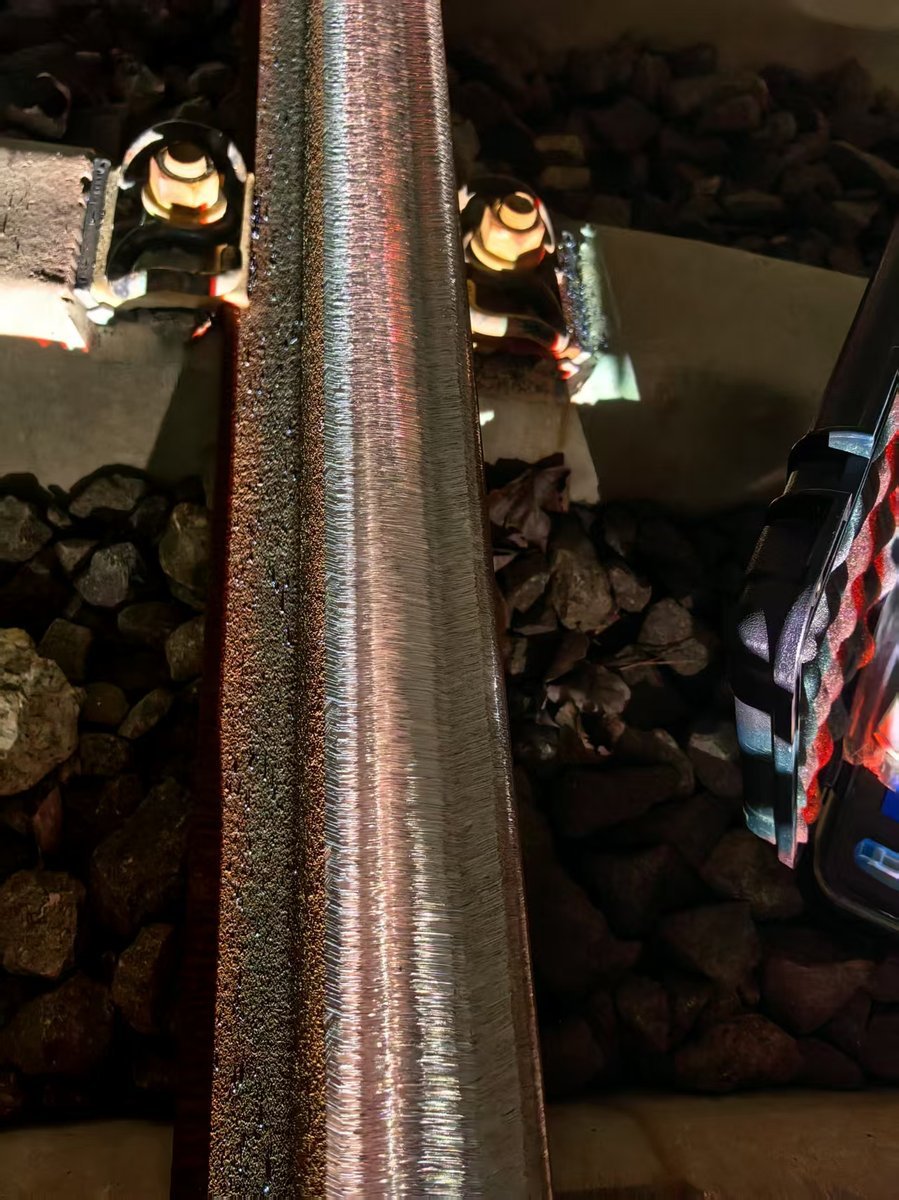
Selecting a Burn-Free Railway Grinder Wheel: Practical Recommendations
Additional Field Images: Molaton Railway Grinder Wheel in Action
Eliminate Rail Burns From Your Operation