Precision Turnout Grinding: Ensuring Rail Safety, Smoothness, and Longevity
- Share
- Issue Time
- Mar 25,2026
Summary
Railway turnouts are critical components that ensure smooth train transitions between tracks. Over time, wear and tear can lead to defects such as wave wear, weld protrusions, and edge buildup.
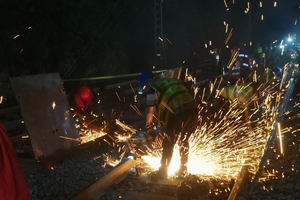
Turnouts endure extreme mechanical stress. Every train passage subjects switch blades, frogs, and guard rails to lateral impacts that accelerate wear. Left uncorrected, defects like weld protrusions or edge buildup become initiation points for fatigue cracks—a leading cause of rail fractures.
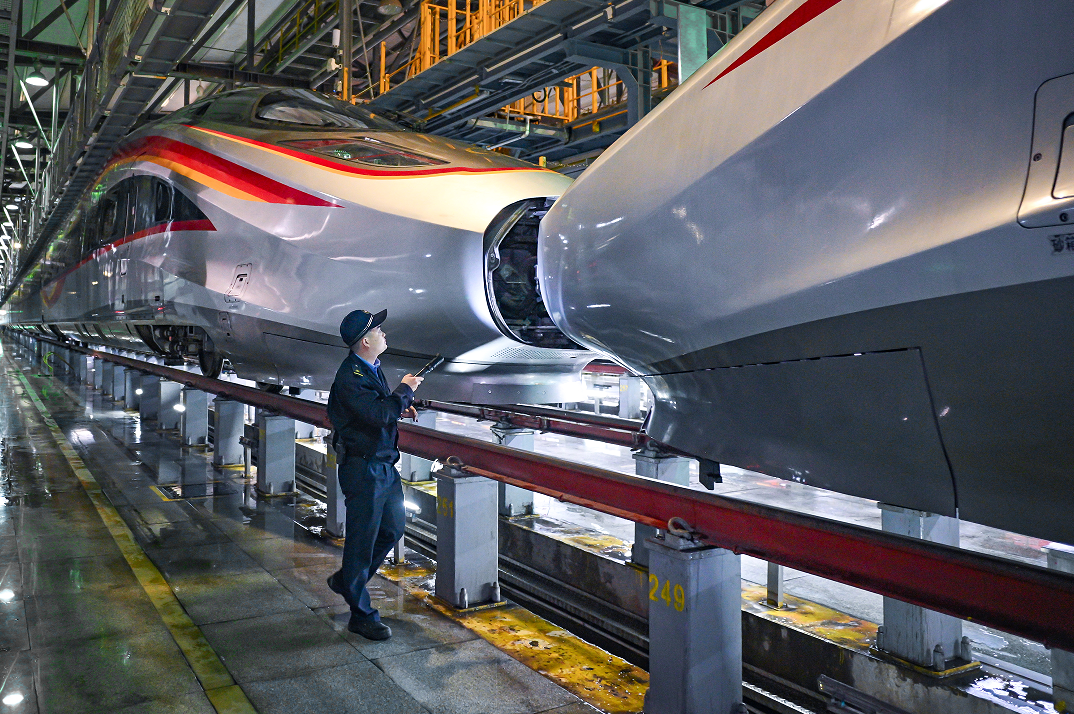
While standardized grinding procedures exist, their effectiveness hinges on precision tools, consistent consumables, and operator discipline. Below, we present the full turnout grinding workflow—widely adopted across global networks—and explain how RailwayCare’s integrated solution enhances each phase to deliver measurable safety and lifecycle value.
I. Preparation: Safety and Equipment Readiness
Standard Steps:
● Tools: Rail grinders, turnout grinders, angle grinders, 1m straightedge, track gauge, feeler gauge, calipers, PPE, marking tools, generator.
● Equipment Check: Verify oil levels, run engine 3–5 min, confirm guards are secure.Safety Protocol: On-track work begins only after station liaison and field protection confirm clearance.
Why It Matters:
A malfunctioning grinder or delayed communication can halt a 4-hour maintenance window—costing thousands in schedule disruption. Generic tools often lack the torque or control needed for hardened turnout steel.
RailwayCare Enhancement:
Our compact turnout grinders feature quick-start engines, integrated diagnostics, and ergonomic designs for rapid deployment. All units undergo pre-delivery validation to ensure zero downtime during critical windows.
II. Survey and Marking: The Foundation of Precision
Standard Steps:
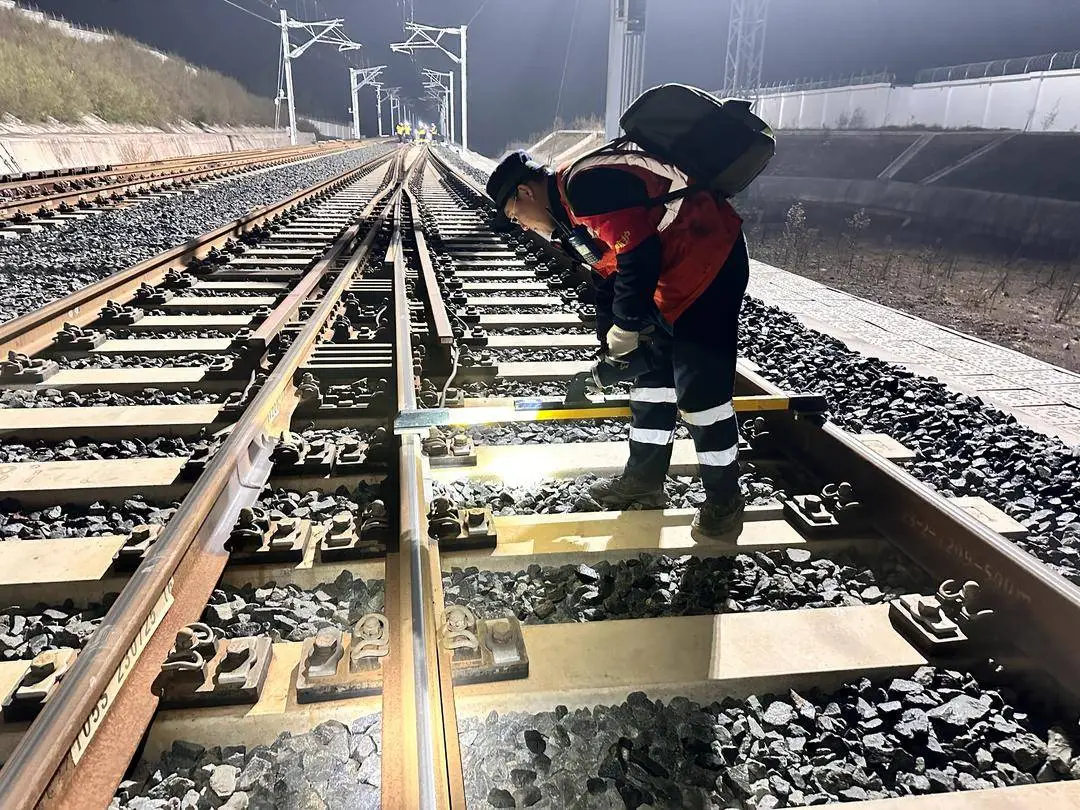
● Measure wave wear, weld protrusions, saddle wear, or hard bends (>0.5mm with 1m straightedge).
● Mark defect locations on rail head exterior.
● Record flange build-up width (>2mm requires grinding) on switch blades, stock rails, heart rails, and guard rails.
Why It Matters:
Grinding without accurate survey is guesswork. Over-grinding wastes material; under-grinding leaves stress risers intact.
RailwayCare Enhancement:
We provide digital survey templates and calibration-certified measurement kits, ensuring operators consistently identify true defect boundaries—not just visible anomalies.
III. Grinding Execution: Geometry-Specific Techniques
Standard Steps:
● Surface Grinding: Use rail grinder; supplement with turnout grinder where access is limited.
● Flange Grinding:
♦ Coordinate with station to position switch blades.
♦ Tilt grinder 45° at vertical cut end.
♦ Adjust feed rate, grind from end toward tip in full passes.
♦ Use angle grinder for short heart rail flanges.
Why It Matters:
Turnout geometry is non-uniform. A single grinding strategy fails across switch, frog, and crossing zones. Incorrect angles or feed rates cause thermal damage or profile distortion.
RailwayCare Enhancement:
Our articulated grinding heads adapt to complex contours, while application-specific resin-bonded wheels deliver controlled removal—preserving base metal integrity and achieving ±0.2mm accuracy.
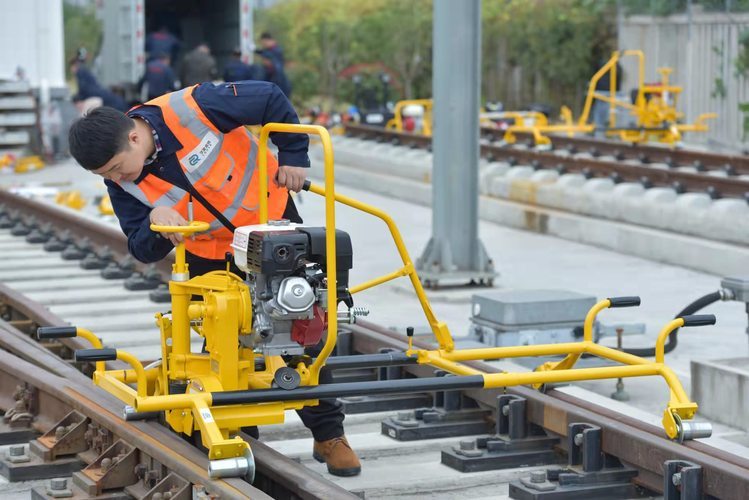
IV. Fine Grinding and Inspection
Standard Steps:
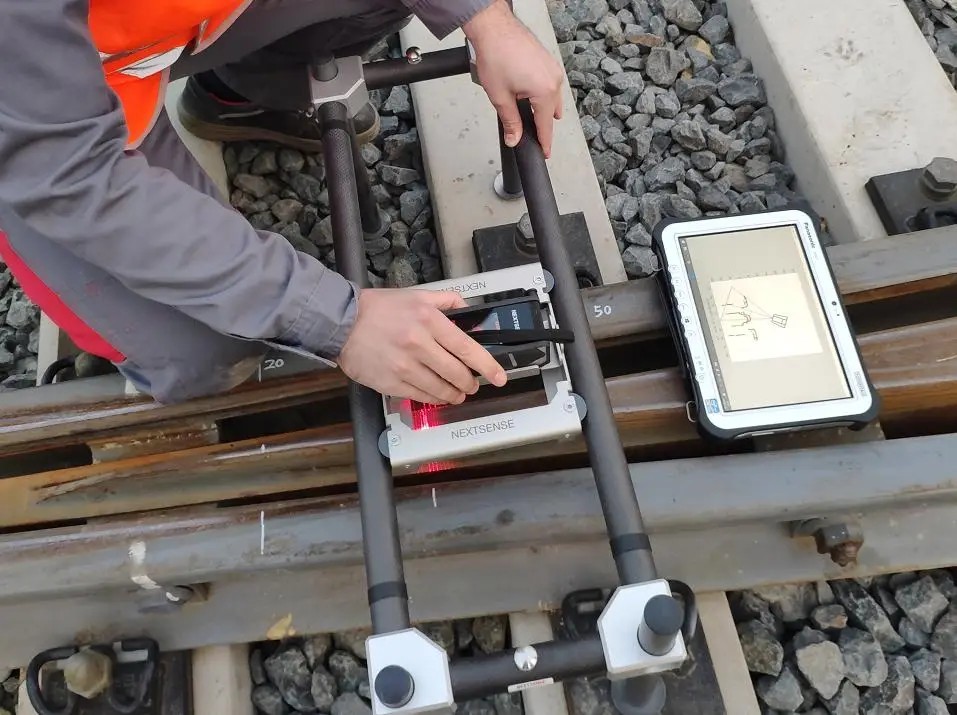
● Re-measure with 1m straightedge (surface flatness, inner edge alignment, joint mismatch).
● Check gauge and gradient with track gauge.
● Verify flange thickness with calipers; rework if out of spec.
Why It Matters:
Final inspection closes the quality loop. Skipping it risks undetected deviations that trigger speed restrictions days later.
RailwayCare Enhancement:
We embed inspection checklists into operator training, linking each measurement to a specific tolerance (e.g., flange <0.5mm). This turns compliance into habit.
V. Testing and Cleanup
Standard Steps:
● Conduct 3-party turnout conversion test (operations, signaling, station).
● Remove all machinery beyond clearance limits.
Why It Matters:
A misaligned turnout post-grinding can jam during switching—creating operational emergencies.
RailwayCare Support:
Our equipment features modular design for rapid disassembly, minimizing time spent in the track zone.
VI. Protection Removal & Line Opening
Standard Steps:
Confirm personnel and tools clear of limits.
Notify station liaison; log completion in “YunTong-46”.
RailwayCare Note:
Efficiency here reflects upstream discipline. A well-executed job finishes on time—every time.
Quality Standards: Non-Negotiable Benchmarks
RailwayCare aligns all solutions with these universal tolerances:
● Flange <0.5mm (2mm at insulated joints)
● Joint mismatch ≤2mm
● Gauge variation: <1‰ (main lines), <2‰ (others)
● Surface concavity <0.5mm
● Switch blade clearance: 65±2mm
● Guard rail flangeway: 42+3/−1mm
● Frog flangeway: 46+3/−1mm
These aren’t arbitrary—they’re derived from decades of failure analysis.
Conclusion: Maintenance as Risk Mitigation
Turnout grinding is not a cosmetic task. It is a proven method to eliminate crack-initiation sites, restore dynamic compatibility, and defer capital replacement. By combining field-proven procedures with precision-engineered tools and consumables, RailwayCare enables operators to execute this critical work autonomously, reliably, and to specification—without relying on external labor.
FAQ
What defects does turnout grinding remove?
Weld protrusions, edge build-up, wave wear, saddle wear and hard bends on switch blades, stock rails, heart rails and guard rails. Left in place these become stress risers and the initiation points for the fatigue cracks that end in rail fractures, so turnout grinding is risk mitigation rather than appearance work.
What tolerances must be met after turnout grinding?
Flange thickness below 0.5 mm (2 mm at insulated joints), joint mismatch within 2 mm, gauge variation below 1‰ on main lines and 2‰ elsewhere, surface concavity below 0.5 mm, switch blade clearance 65 ± 2 mm, guard rail flangeway 42 +3/−1 mm and frog flangeway 46 +3/−1 mm. The profile measurements behind these checks are taken with a straightedge, track gauge and calipers, and the general acceptance logic is in rail grinding acceptance standards.
How is a switch rail flange ground?
The switch is first positioned in coordination with the station, the grinder is tilted 45° at the vertical cut end, and the feed rate is set so that grinding runs from the end toward the tip in full passes — with an angle grinder reserved for short heart rail work. Incorrect angles or feed rates are what cause thermal damage and profile distortion in this step.
Which rail grinding wheel suits turnout work?
A resin-bonded wheel formulated for controlled removal on hardened turnout steel, with enough thermal stability that the shallow repeated passes do not burn the surface. Wheel selection for the restricted zones and working angles of a turnout is covered in large machine turnout grinding.
How is turnout grinding quality verified?
By re-measuring with a straightedge for surface flatness, inner edge alignment and joint mismatch, checking gauge and gradient, and confirming flange thickness with calipers — then reworking anything out of specification before the section is handed back.
📧 Contact us: simon.wang@railwaycare.com
🌐 Explore our turnout grinding system: www.railwaycare.com
📱 WhatsApp: +86 15072332788