Outlook on Grinding Stone Technology for Rail Grinding
- Share
- Issue Time
- Oct 29,2025
Summary
China has developed advanced rail grinding equipment with independent intellectual property rights
Rail grinding technology plays a crucial role in effectively eliminating rail defects, extending rail service life, and enhancing the comfort, safety, and stability of train operations. With the growing demand for increased line capacity driven by economic development, preventive grinding—focusing on proactive maintenance—has become the mainstream direction for future development. In this field, enterprises like RailwayCare Grinding Wheel and China Grinding Wheel (www.railwaycare.com) are emerging as key contributors to domestic grinding technology.
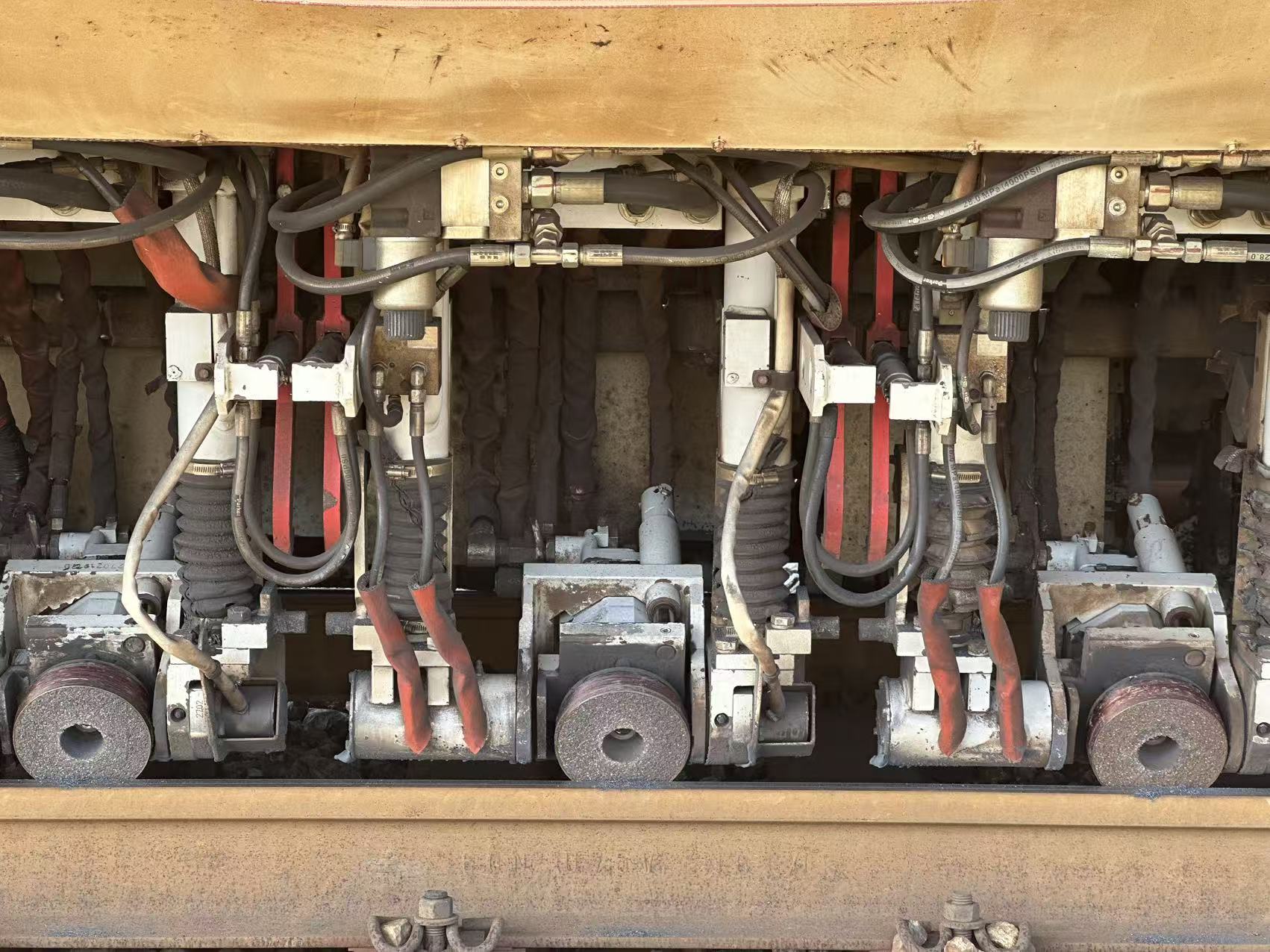
In recent years, supported by the strategic implementation of the "Made in China 2025" initiative, China's rail grinding equipment technology has experienced rapid development. A series of equipment with independent intellectual property rights, including active grinding cars, high-speed grinding cars, and milling-grinding cars, have been successively introduced. However, a significant bottleneck remains: the key technologies related to grinding stones, which are essential for supporting these grinding cars, are still dominated by foreign manufacturers. The domestic development of grinding stone technology lags seriously behind that of rail grinding equipment, substantially hindering the overall progress of China's rail grinding technology.
Therefore, it is imperative to develop high-performance grinding stones with independent intellectual property rights, tailored to China's specific conditions and the characteristics of rail grinding operations. To break the foreign monopoly in high-performance grinding stones and enhance China's independent innovation capability and competitiveness in rail grinding, future research should focus on the following aspects:
Technology and Equipment for Preparing Raw Materials for High-Performance Grinding Stones
Key raw materials such as resins, abrasives, and fillers significantly determine the overall performance of grinding stones. Currently, however, China heavily relies on imports for critical raw materials used in high-performance grinding stones (e.g., zirconia alumina, phenolic resins). This dependency poses potential risks and constraints to the localization and large-scale market adoption of domestically produced grinding stones. Hence, overcoming key challenges in high-performance raw material preparation technology and equipment—such as developing high-strength, high-toughness, and heat-resistant phenolic resins, as well as high-strength, high-toughness zirconia alumina abrasives with excellent self-sharpening—is of great strategic significance for producing grinding stones with fully independent intellectual property rights.
Mechanisms of Grinding Stone Performance Regulation Under Multi-Factor Coupling
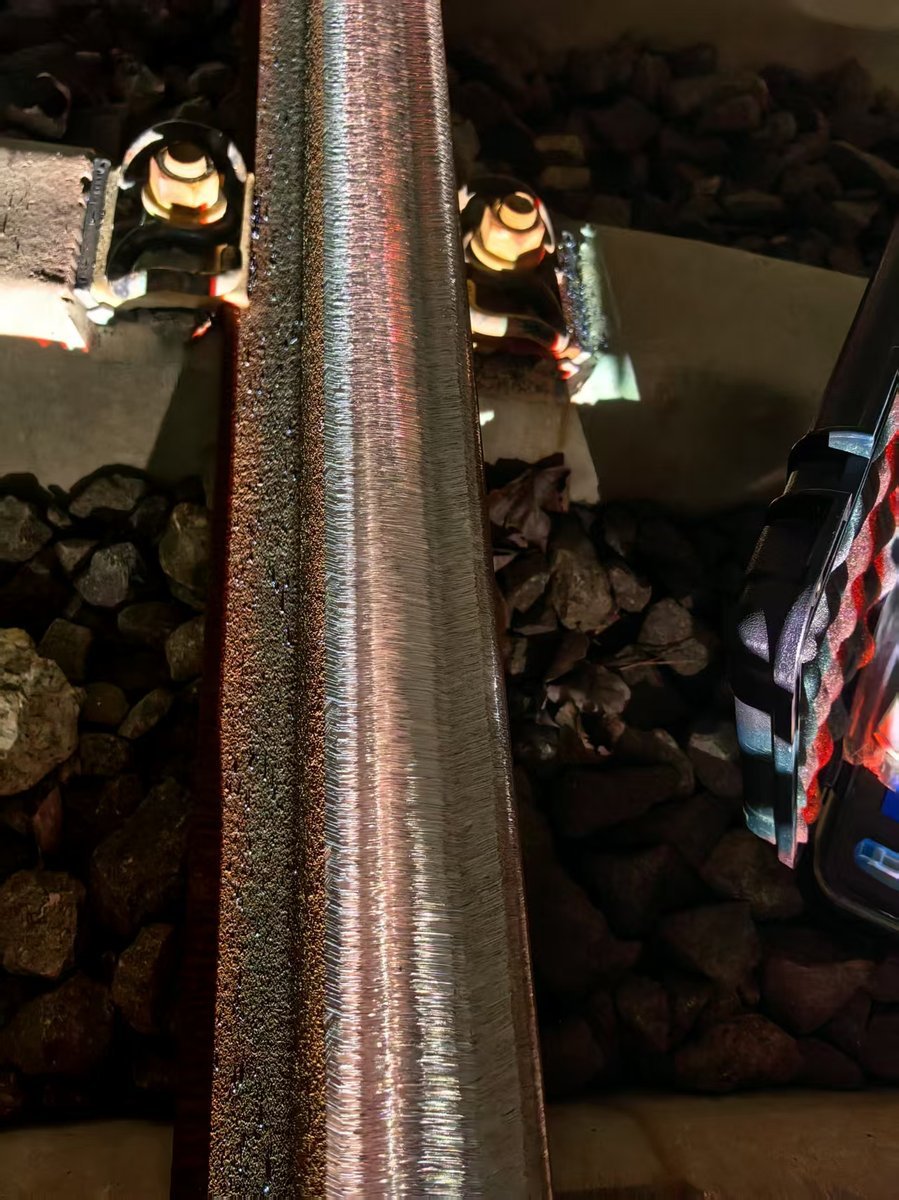
The comprehensive performance of grinding stones is influenced by multiple factors, including molding processes and methods (raw materials, techniques, structure), wear behavior, and material removal mechanisms. However, the interactions and underlying mechanisms among these factors remain inadequately understood. Future research should focus on elucidating the influence patterns and mechanisms of various factors on grinding stone performance. This includes investigating the resin/abrasive heterogeneous interface bonding mechanism, the regulatory effect of micro-nano filler particles, and the impact mechanisms of molding processes. Establishing a relational network of multi-factor interactions will provide a theoretical foundation for guiding the performance control and preparation of domestic grinding stones.
Green and Economical Grinding Stone Preparation Technology and Application
Current research on grinding stones typically involves preparing full-size stones for evaluation, which often leads to significant resource waste and lengthy, inefficient cycles due to small-batch industrial production. In the future, a multi-dimensional evaluation approach can be adopted, such as a technical route involving "small-scale grinding stone → full-size bench grinding → on-site operational verification." By establishing scientific and quantitative performance evaluation indicators, this approach would enable rapid, efficient, and precise closed-loop selection of grinding stone formulations and processes. This would shorten R&D cycles, reduce experimental costs, minimize energy consumption, and steer grinding stone development toward greener and more economical directions. Additionally, relevant scientific methods and technologies from advanced manufacturing and heavy-duty grinding fields should be applied and promoted.
Fundamental Database System for Grinding Stones
Grinding stone performance is affected by multiple factors (composition, process, structure, etc.), which interact and regulate performance synergistically. Future work should involve scientifically designing experimental plans to study the impact of various factors on grinding stone performance. By storing and analyzing experimental data, and incorporating emerging technologies such as artificial intelligence and big data, mathematical models for grinding stone performance regulation can be established and continuously optimized through training. This will help construct a fundamental database system linking mechanism control, mechanical properties, grinding performance, failure mechanisms, and rail surface quality, enabling precise and targeted guidance for the development of multi-category grinding stones.
Comprehensive Evaluation System for Grinding Stones (Structural Design of Grinding Stones – RailwayCare)
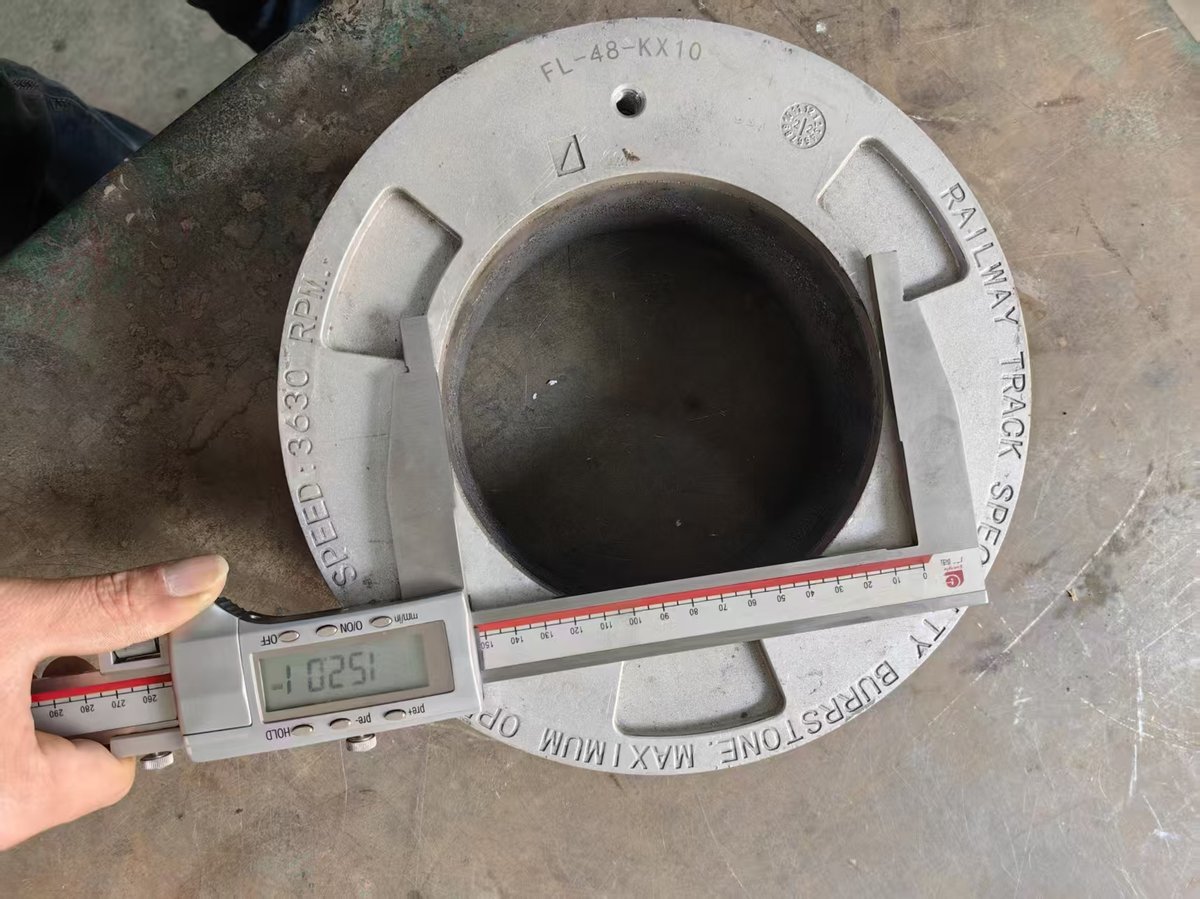
The R&D of grinding stones involves interdisciplinary knowledge and complex preparation and evaluation processes. Currently, formulations, processes, and evaluation methods vary across organizations, leading to inconsistent grinding stone performance. Therefore, it is essential to scientifically construct a performance evaluation system for grinding stones and establish industry, national, and international standards. By parameterizing and quantifying performance judgment indicators, this system will provide important guidance for the standardized design and manufacturing of grinding stones.
FAQ
Why does rail grinding stone technology lag behind grinding equipment?
China has developed active grinding cars, high-speed grinding cars and milling-grinding cars with independent intellectual property rights, but the abrasive stones those machines run on are still dominated by foreign suppliers. Equipment development has moved faster than consumable development, and the gap in grinding stone technology is now the limiting factor for the whole system.
Which raw materials are the bottleneck?
Zirconia alumina abrasive and phenolic resin. High-performance rail grinding stones depend on the quality and consistency of both, and domestic production has relied heavily on imports for these inputs — a dependency that constrains both cost structure and large-scale adoption of locally made stones.
Why is multi-factor coupling research needed?
Grinding stone performance is set by moulding process, structure, wear behaviour and material removal mechanism acting together, and the interactions between them are still poorly quantified. Without a relational model linking those factors, formulation development stays empirical — which is why a database linking mechanism control, mechanical properties, grinding performance and rail surface quality matters. The performance side is measured against rail grinding acceptance standards.
How can grinding stone development become faster and greener?
By evaluating formulations on small-scale stones and bench rigs before committing to full-size production trials, so only viable candidates reach the track. That closed-loop route shortens development cycles, cuts experimental cost and energy consumption, and reduces the waste inherent in small-batch full-size testing. The economics of the finished article are examined in rail grinding cost per kilometer.
What standards are missing for rail grinding stones?
A common evaluation system. Formulations, processes and evaluation methods currently differ between organisations, so performance is not comparable between suppliers or even between batches. Parameterising and quantifying the judgement criteria, and turning them into industry, national and international standards, is the prerequisite for consistent procurement — the same principle that applies to comparing railway grinder wheels across suppliers.
Talk to RailwayCare
Need a grinding wheel specification for your fleet, or a second opinion on a rail maintenance programme? Our engineers work directly with track operators, contractors and distributors worldwide, and answer technical questions in English and Chinese.
WhatsApp: +86 15072332788
Email: simon.wang@railwaycare.com
Web: www.railwaycare.com