Hot-Pressed vs Cold-Pressed Railway Grinder Wheels: 5 Critical Test Comparisons
- Share
- publisher
- Molaton
- Issue Time
- Jul 23,2026
Summary
Hot-pressed vs cold-pressed railway grinder wheels compared across 5 critical tests: wear resistance, efficiency, surface quality, thermal management and consistency.
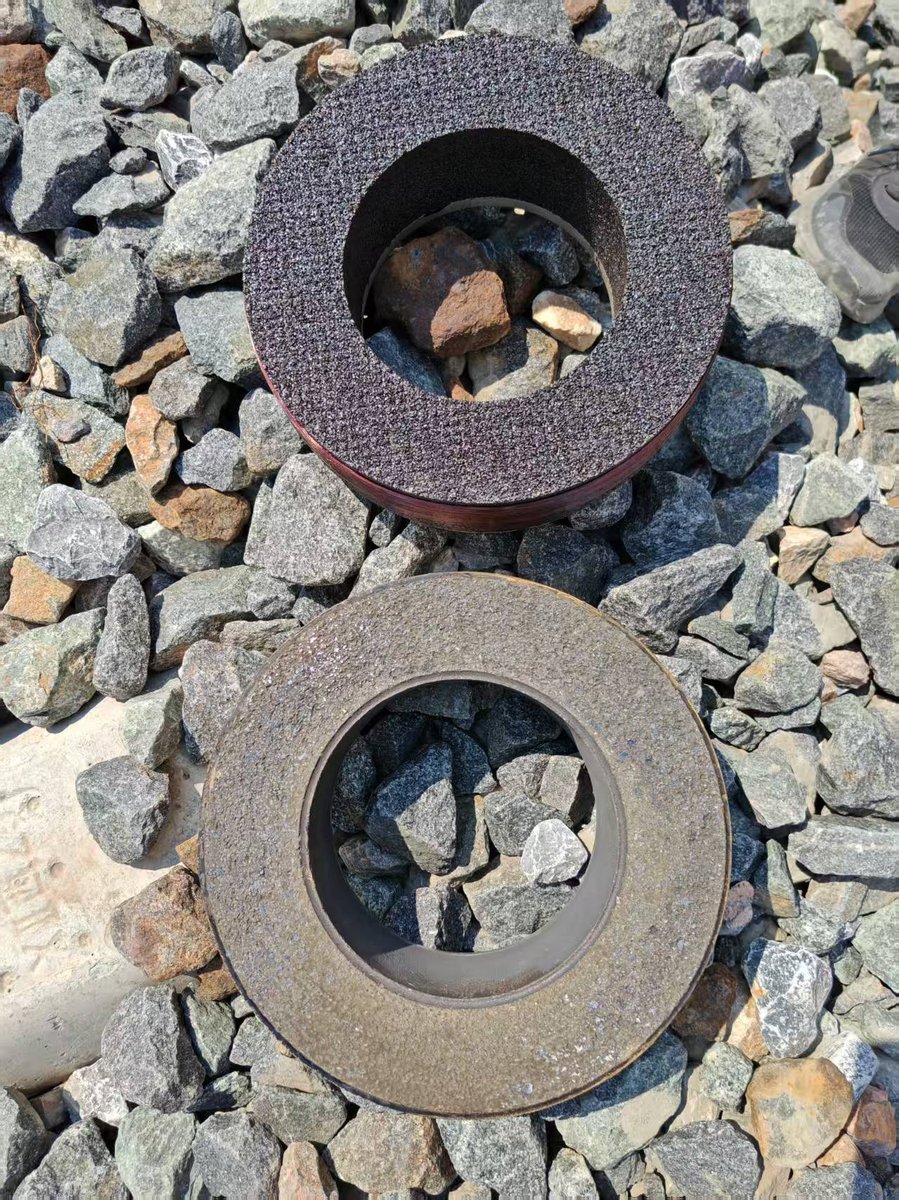
The choice between hot-pressed and cold-pressed manufacturing is the most consequential technical decision in railway grinder wheel production. It determines the wheel's wear resistance, cutting efficiency, thermal stability, and ultimately its cost-effectiveness. This article presents a side-by-side comparison of hot-pressed vs. cold-pressed railway grinder wheel performance across five critical indicators, using Molaton's hot-pressed zirconia alumina wheels as the benchmark for hot-pressed technology.
Both hot pressing (热压) and cold pressing (冷压) are mature manufacturing technologies for resin-bonded abrasive wheels, but they produce fundamentally different microstructures:
Heat and pressure are applied simultaneously during the curing cycle. The resin bond material, abrasive grains, and pore-forming agents are compressed at 150–200°C while under 20–40 MPa of pressure. The bond flows and cures under the exact conditions it will experience during use. The mixture is pressed at room temperature into a green compact, then cured in a separate high-temperature oven. The bond material must flow and cure at oven temperature without the aid of simultaneous pressure.
The simultaneous application of heat and pressure in hot pressing creates a more homogeneous bond distribution, higher bond density, and stronger grain-to-bond adhesion. These microstructure advantages translate directly into measurable performance differences in the finished railway grinder wheel.
Wear resistance is quantified by the abrasion ratio — the volume of rail steel removed per unit volume of wheel consumed. Controlled laboratory tests using standard 60 kg/m rail steel samples show:
The 50% higher abrasion ratio of hot-pressed wheels is directly attributable to the superior grain retention achieved by the simultaneous heat-pressure curing cycle. Each abrasive grain is held more firmly, so less grain is lost to premature pullout.
Grinding efficiency measures how quickly a railway grinder wheel removes rail steel under standardized operating pressure and speed. The self-sharpening characteristic of hot-pressed wheels — where worn grains fracture to expose fresh cutting edges while the bond system holds intact grains firmly — creates a significant efficiency advantage:
In practical terms, this means a hot-pressed wheel achieves the same profile correction in fewer passes — reducing track possession time and fuel consumption.
Surface roughness (Ra) after grinding is influenced by grain size distribution and the stability of the wheel's cutting surface. Hot-pressed wheels produce:
The superior surface quality of hot-pressed wheels is due to the more stable cutting surface created by the uniform bond system. Cold-pressed wheels can develop localized hard and soft spots that produce inconsistent surface finish.
Thermal management during grinding — preventing the rail surface from reaching austenitizing temperature (≈720°C) that causes brittle martensite formation — is heavily influenced by the railway grinder wheel's pore structure. Hot-pressed wheels have a more controlled, uniform pore distribution that serves three thermal management functions:
Molaton's hot-pressed railway grinder wheel has demonstrated zero burn incidents across 200+ km of test grinding on Loram and Harsco equipment. Cold-pressed wheels, with less predictable pore structures, show higher burn incidence in equivalent conditions.
Perhaps the most operationally significant advantage of hot pressing is batch-to-batch consistency. Because the hot-pressing process controls both temperature and pressure simultaneously within tight tolerances (±2°C, ±1 MPa), the resulting wheel properties are highly repeatable:
For fleet operators, consistency is as important as absolute performance. A wheel that performs predictably every time allows operators to plan grinding passes with confidence, reducing the need for mid-process adjustments.
Molaton has optimized its hot-pressing process specifically for rail grinding applications. Key innovations include:
Hot-pressed wheels typically carry a 15–25% price premium over cold-pressed alternatives. The cost-benefit calculation is straightforward:
The total cost of ownership for hot-pressed wheels is consistently 20–35% lower than cold-pressed alternatives, despite the higher initial unit price.
For mission-critical rail grinding operations where profile accuracy, surface quality, and operational reliability are paramount, hot-pressed railway grinder wheel technology is the clear choice. Cold-pressed wheels remain viable for lower-duty applications where cost is the primary constraint and performance requirements are less demanding.
Molaton's engineering team can help you match the right manufacturing process to your specific grinding application — whether hot-pressed for mainline and turnout work, or optimized formulations for lower-duty maintenance.
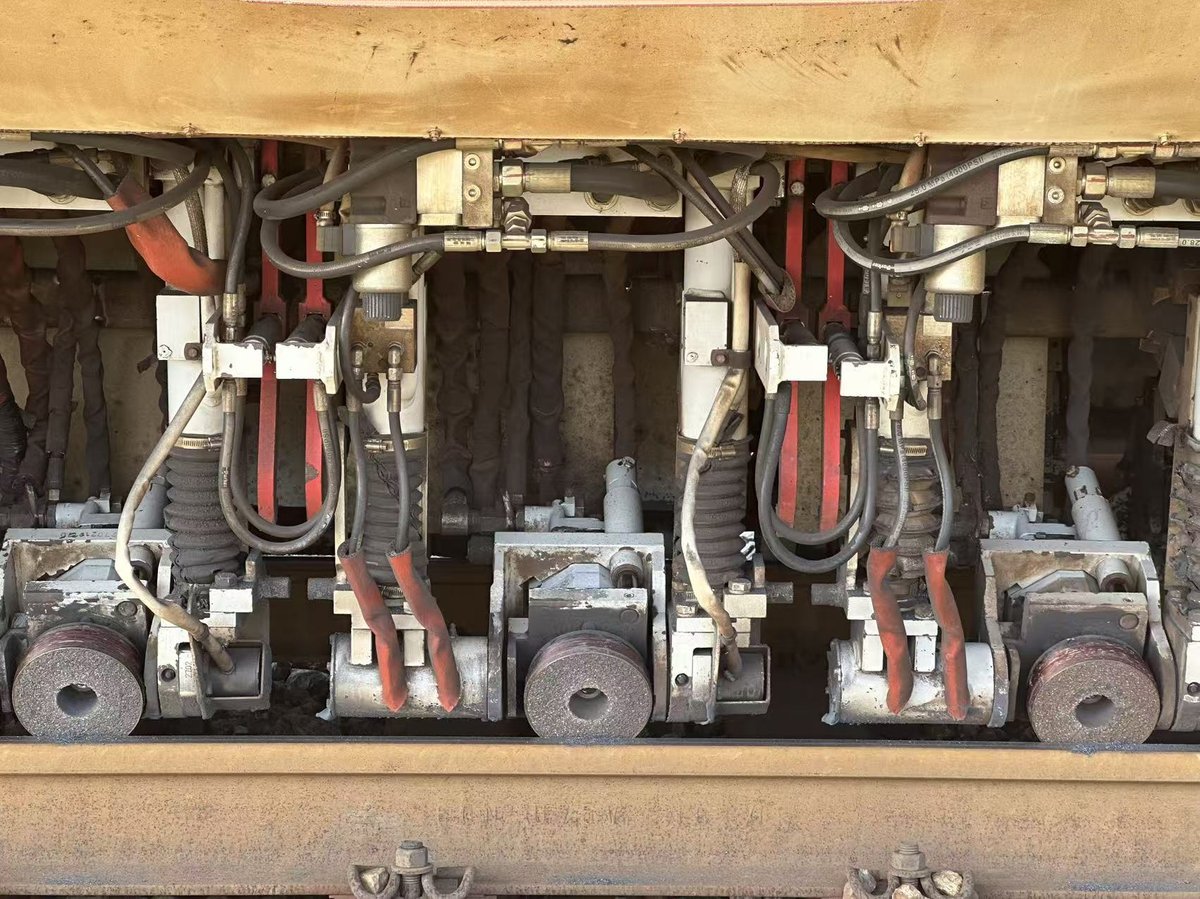
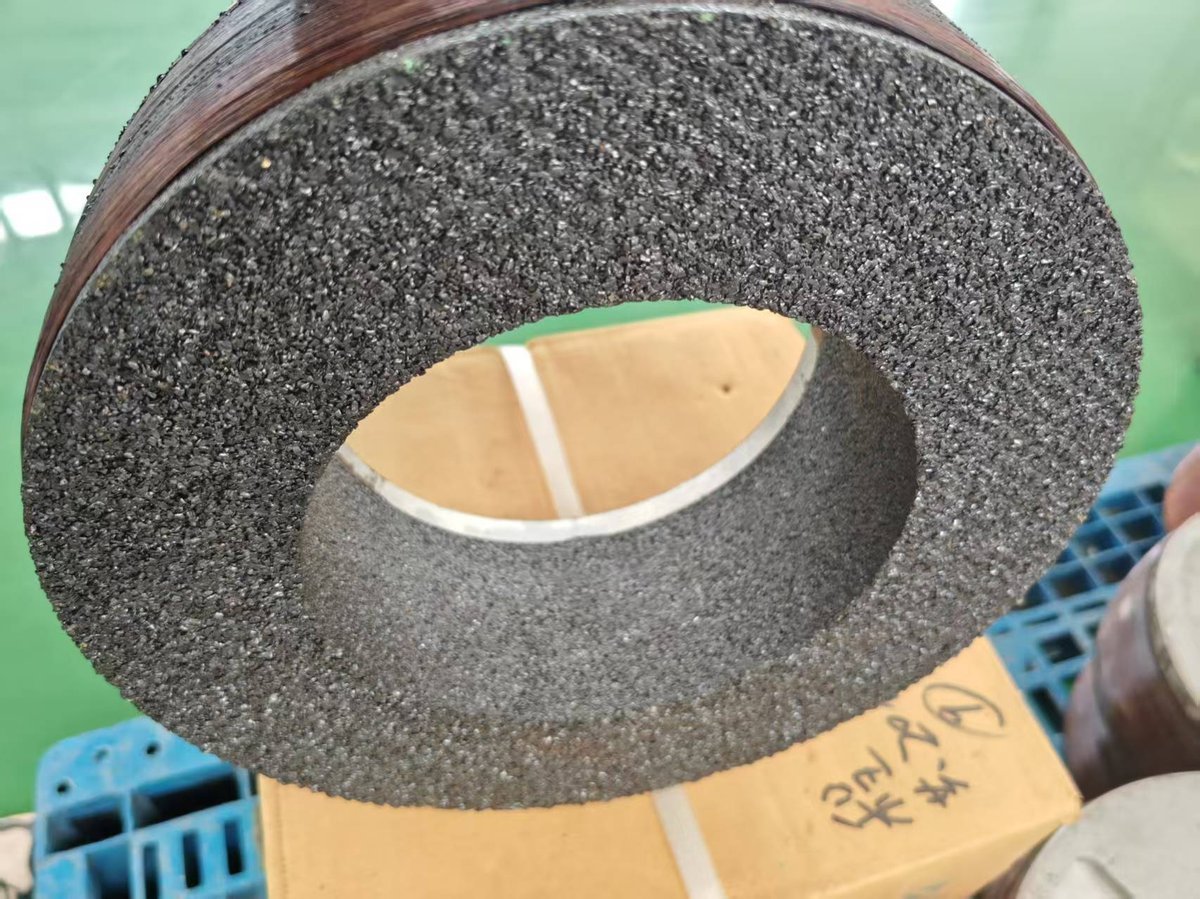
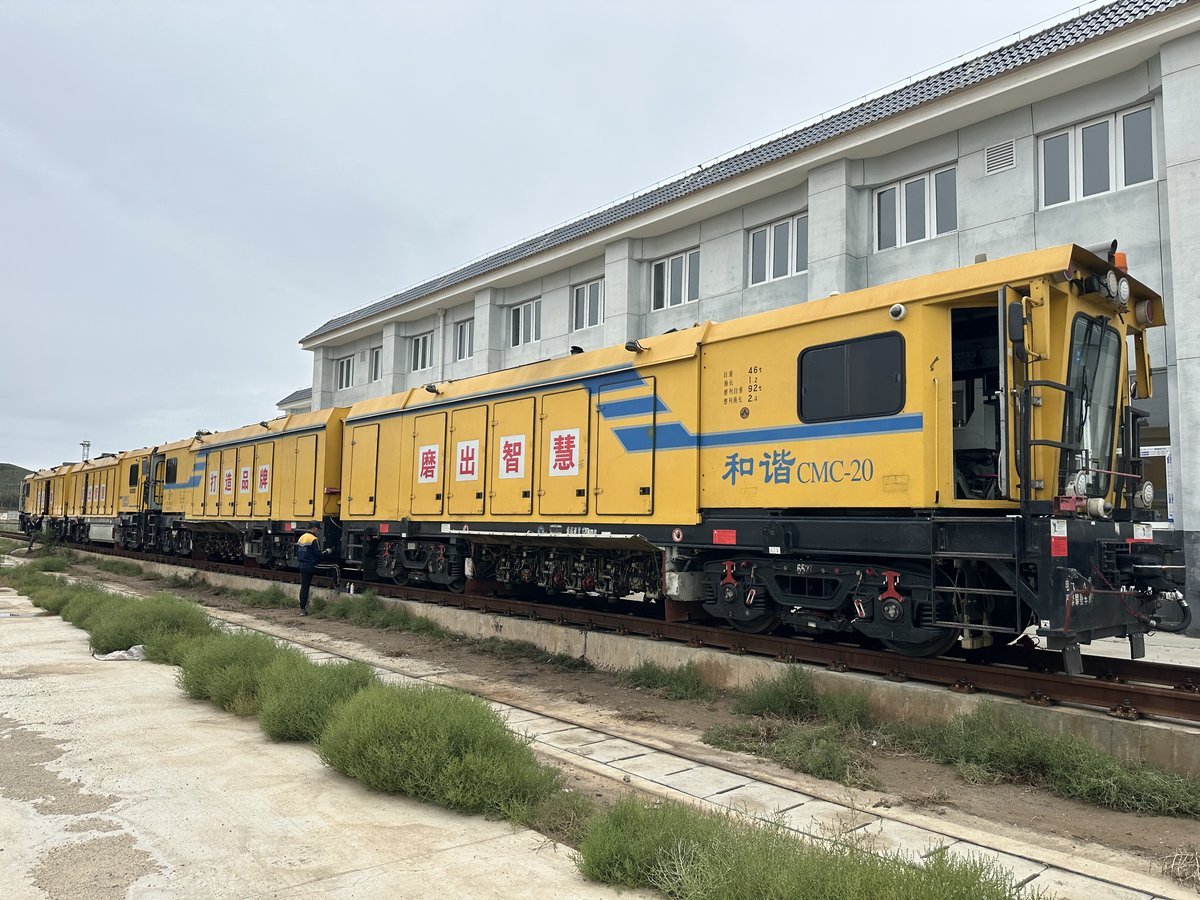
Additional photographs from Molaton's railway grinder wheel field operations and manufacturing, providing more visual evidence of product quality and grinding performance. Contact Molaton to discuss how our hot-pressed railway grinder wheel technology can improve your grinding efficiency and reduce total operating costs.Hot-Pressed vs Cold-Pressed: The Fundamental Process Difference in Railway Grinder Wheel Manufacturing
Hot Pressing
Cold Pressing
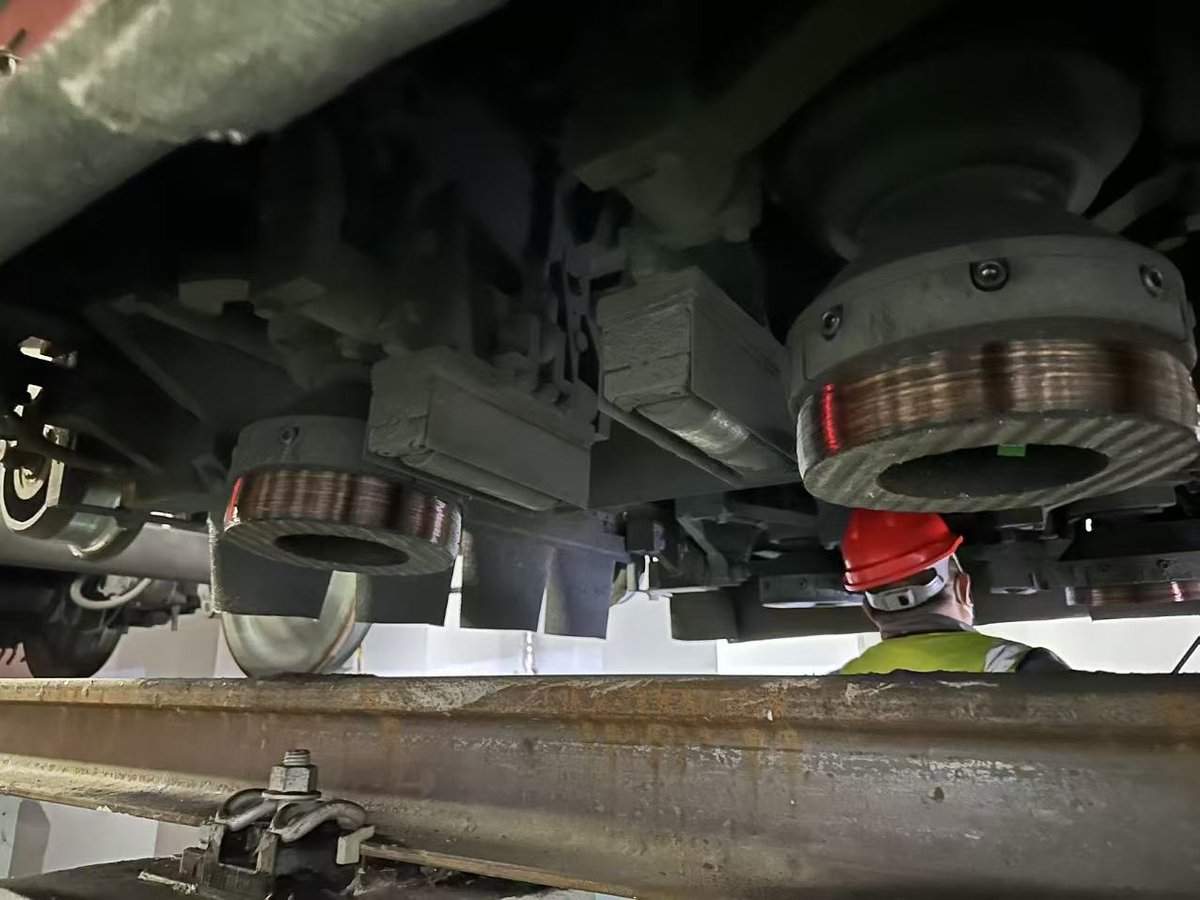
Indicator 1 — Wear Resistance: Measured by Abrasion Ratio on Standard Rail Steel
Metric Hot-Pressed (Molaton) Cold-Pressed Difference Abrasion ratio 18:1 12:1 +50% Wheel life (km, Loram) 39.8 km 24–28 km +42–66% Diameter loss per 10 km 4.5 mm 7–8 mm −36–44% Indicator 2 — Grinding Efficiency: Material Removal Rate Under Standard Conditions
Indicator 3 — Surface Quality: Ra Values Tell the Precision Story
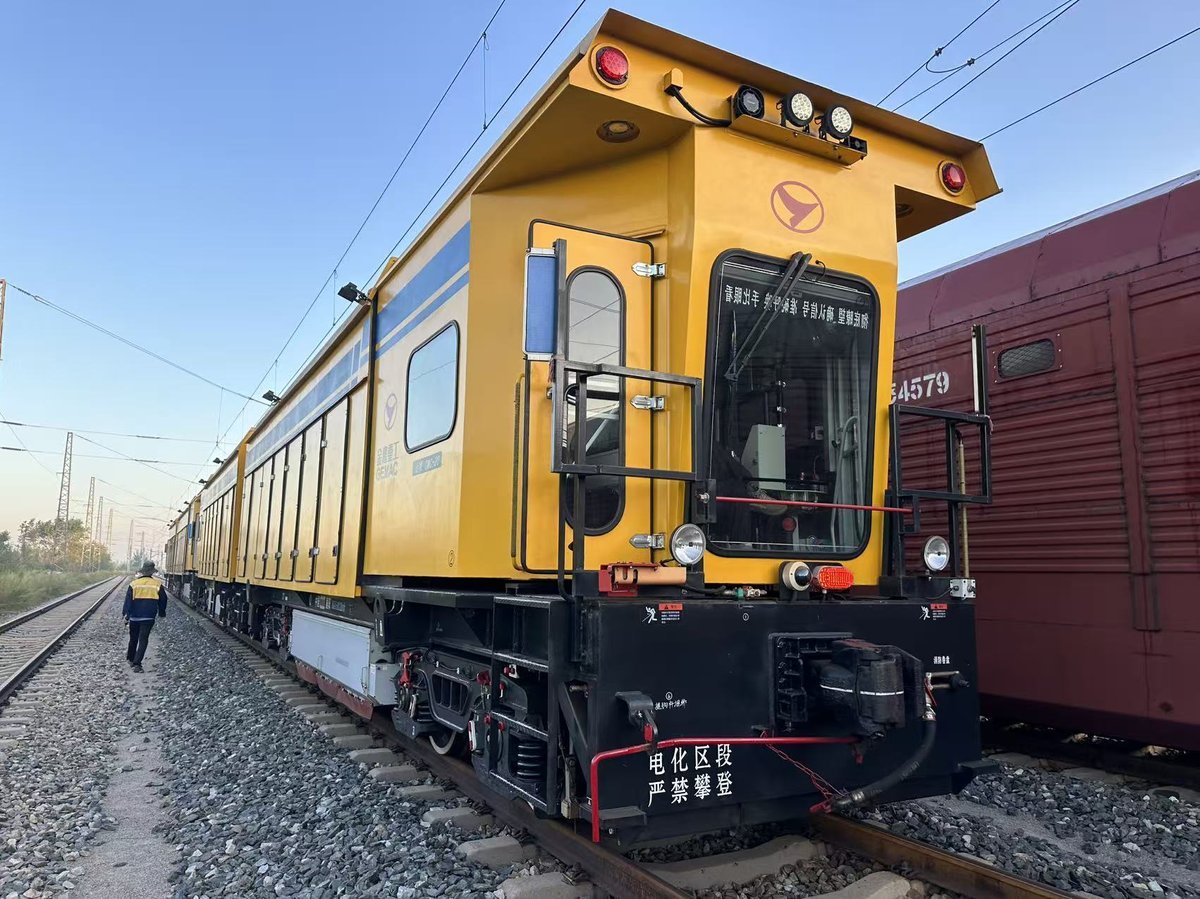
Indicator 4 — Thermal Management: Burn Risk Is Decided by Manufacturing Method
Indicator 5 — Service Life Consistency: Batch-to-Batch Variation
Parameter Hot-Pressed (Molaton) Cold-Pressed Hardness variation (single batch) ±1 grade ±2–3 grades Hardness variation (batch-to-batch) ±1.5 grades ±3–4 grades Wheel life CV <8% 15–25% Ra value CV <10% 18–30% Why Molaton's Hot-Pressed Railway Grinder Wheel Is the Industry Reference
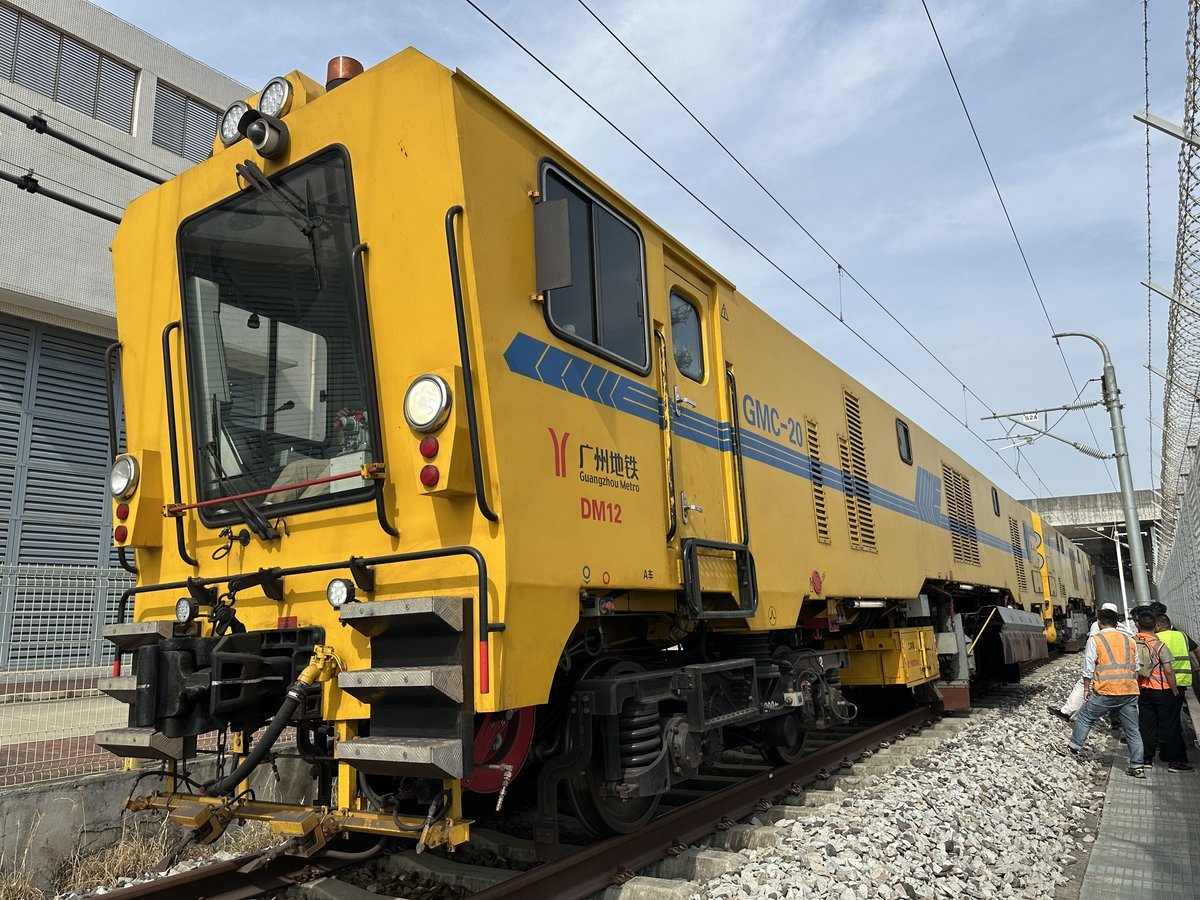
Cost-Benefit Analysis: Does Hot-Pressed Premium Justify the Investment?
Selecting Your Manufacturing Process: Decision Framework
Additional Field Images: Molaton Railway Grinder Wheel in Action
Upgrade to Hot-Pressed Performance