Domestic vs Import Railway Grinder Wheels: 5 Key Performance Indicators Compared
- Share
- publisher
- Molaton
- Issue Time
- Jul 23,2026
Summary
Domestic vs imported railway grinder wheels compared across 5 key indicators. Field data shows top-tier domestic wheels match import performance at 30-50% lower cost.
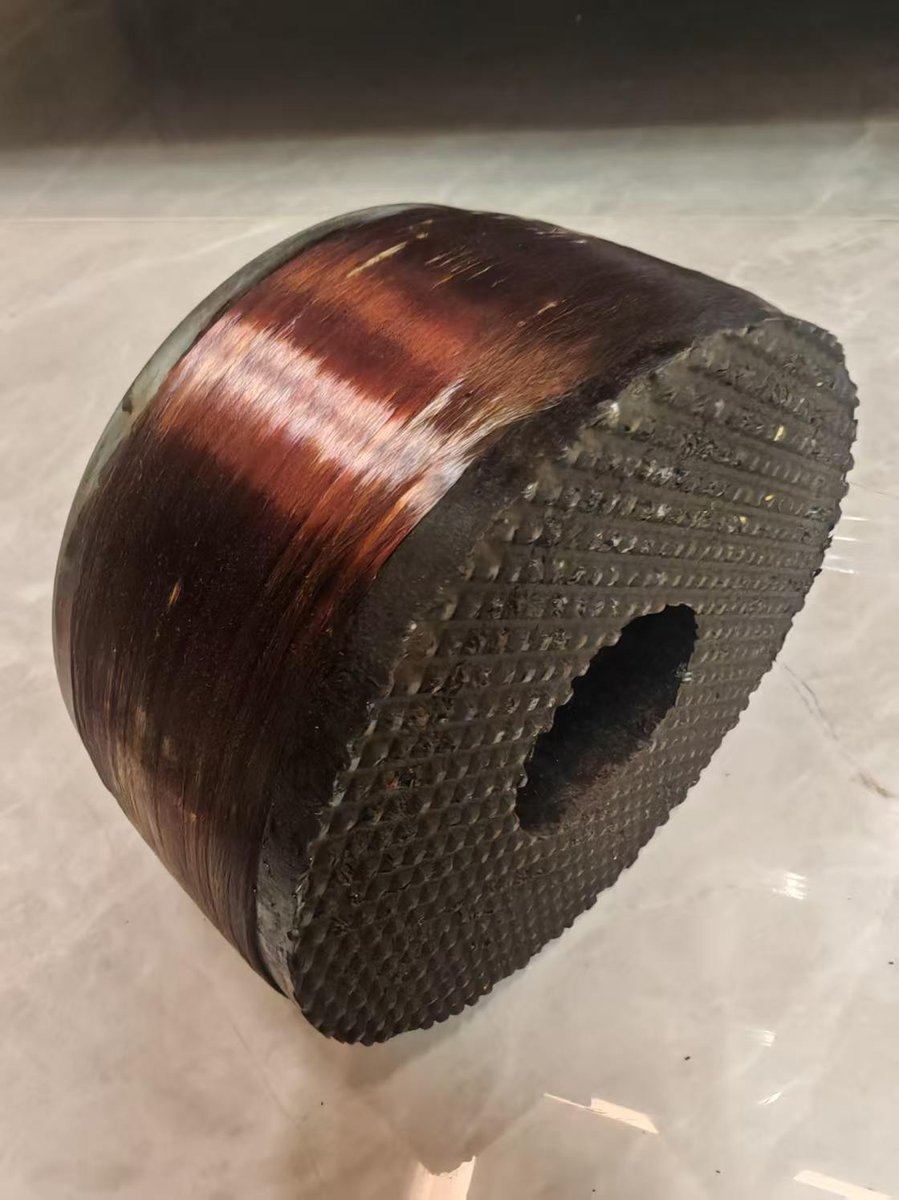
The 30–50% price gap between imported and domestic railway grinder wheel options has long been a point of debate in rail maintenance procurement. Is the premium justified by superior performance? Or has the technology gap narrowed to the point where domestic alternatives offer better value? This article examines the five critical performance indicators — wear resistance, grinding efficiency, surface quality, service life, and consistency — comparing imported and domestic wheels with real test data, with Molaton serving as the domestic benchmark.
Imported railway grinder wheel products — predominantly from European and North American manufacturers — carry prices 30–50% above comparable domestic products. This premium is not purely about product quality. It reflects several structural factors:
The question that matters is whether these external cost factors correlate with actual performance differences. The data suggests the gap is narrower than the price gap would imply.
Any meaningful comparison between imported and domestic railway grinder wheel products must be measured across five dimensions:
Measured in line-kilometers of grinding per wheel, or mm of diameter loss per unit of material removed. Directly impacts consumable cost per km. Material removal rate (kg/hr) under standard operating parameters. Determines how many passes are needed to achieve target profile. Post-grinding Ra value. Affects wheel-rail contact conditions and noise generation. Total useful life before replacement. Combines wear resistance with structural integrity (no premature failure due to cracks or delamination). Batch-to-batch variation in all of the above. The most overlooked but most operationally important dimension.
Field data from multiple rail authorities shows that top-tier domestic railway grinder wheel manufacturers like Molaton have narrowed the wear resistance gap to within 5–10% of imported benchmarks:
When adjusted for the 30–50% price difference, the domestic wheel delivers substantially lower cost per kilometer of grinding.
Grinding efficiency — measured as material removal rate under standard pressure and speed — shows similar parity. In controlled tests on standard 60 kg/m rail:
Both imported and domestic wheels removed 4.2–4.8 kg of rail steel per hour under identical operating parameters. The variation within each brand's production batches (±0.3 kg/hr) was actually larger than the variation between brands — meaning the choice of individual wheel from either supplier matters more than which supplier is chosen.
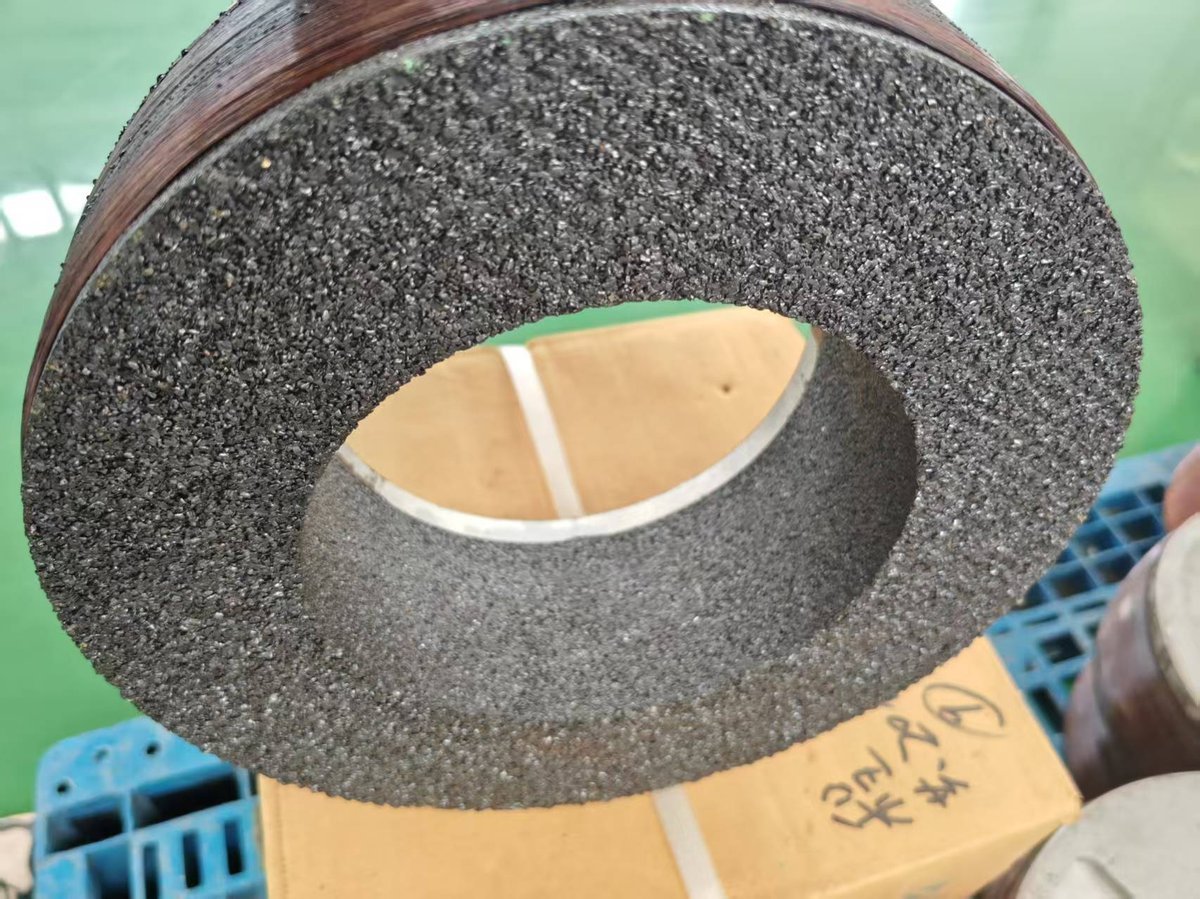
Post-grinding surface roughness (Ra value) is the most operationally relevant performance metric because it directly affects train running safety and wheel-rail contact fatigue. Test results:
Both comfortably meet all industry acceptance standards. The sub-micron difference has no measurable impact on wheel-rail interaction.
Service life depends not only on wear rate but also on structural integrity — the wheel must maintain its shape and avoid premature failure mechanisms like cracking, delamination, or uneven wear. In extended field trials covering over 200 km of grinding per wheel set:
No significant difference in structural reliability was observed.
One of the most compelling import substitution cases comes from the Nanning Railway Bureau, which previously relied exclusively on imported railway grinder wheel products for its high-speed line maintenance. The bureau partnered with Molaton in a joint development program to create a domestic alternative that would meet all operational requirements:
The Nanning case demonstrates that structured import substitution, backed by proper testing protocols, can deliver equivalent performance at significantly reduced cost.
Historically, the weakest point of domestic railway grinder wheel products was batch-to-batch consistency — one batch might perform well, the next batch might show significant variation. This is no longer the case for top-tier manufacturers. Molaton's ISO 9001-certified production system includes:
The data consistently shows that for Loram, Harsco, Speno, Geismar, and Robel grinding equipment, top-tier domestic railway grinder wheel products match imported alternatives across all five performance indicators — while delivering 30–50% cost savings. The decision framework is straightforward:
If your procurement policy requires multi-year global supply agreements or brand-name-only specifications, you may be locked into imported products. But if your primary decision criteria are performance, cost, and service, domestic wheels deserve serious consideration.
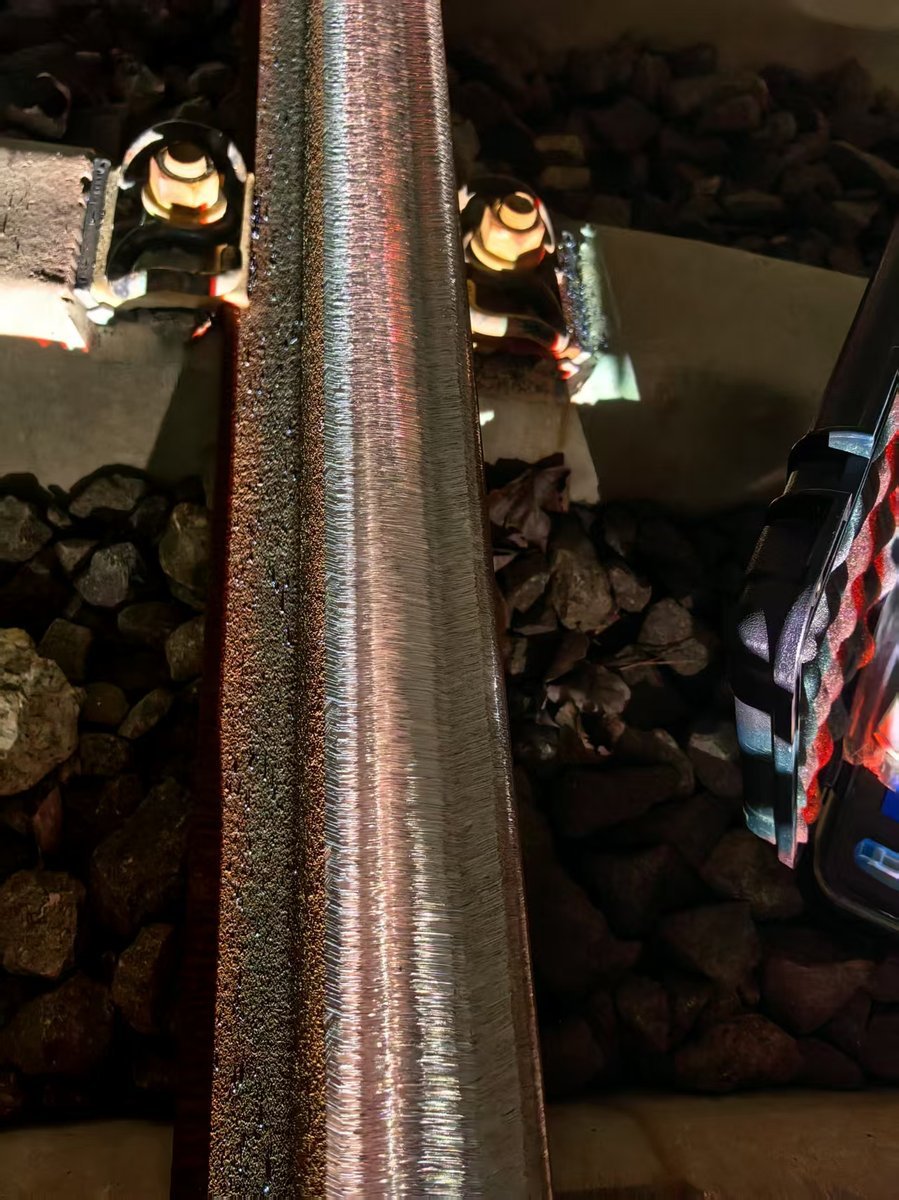
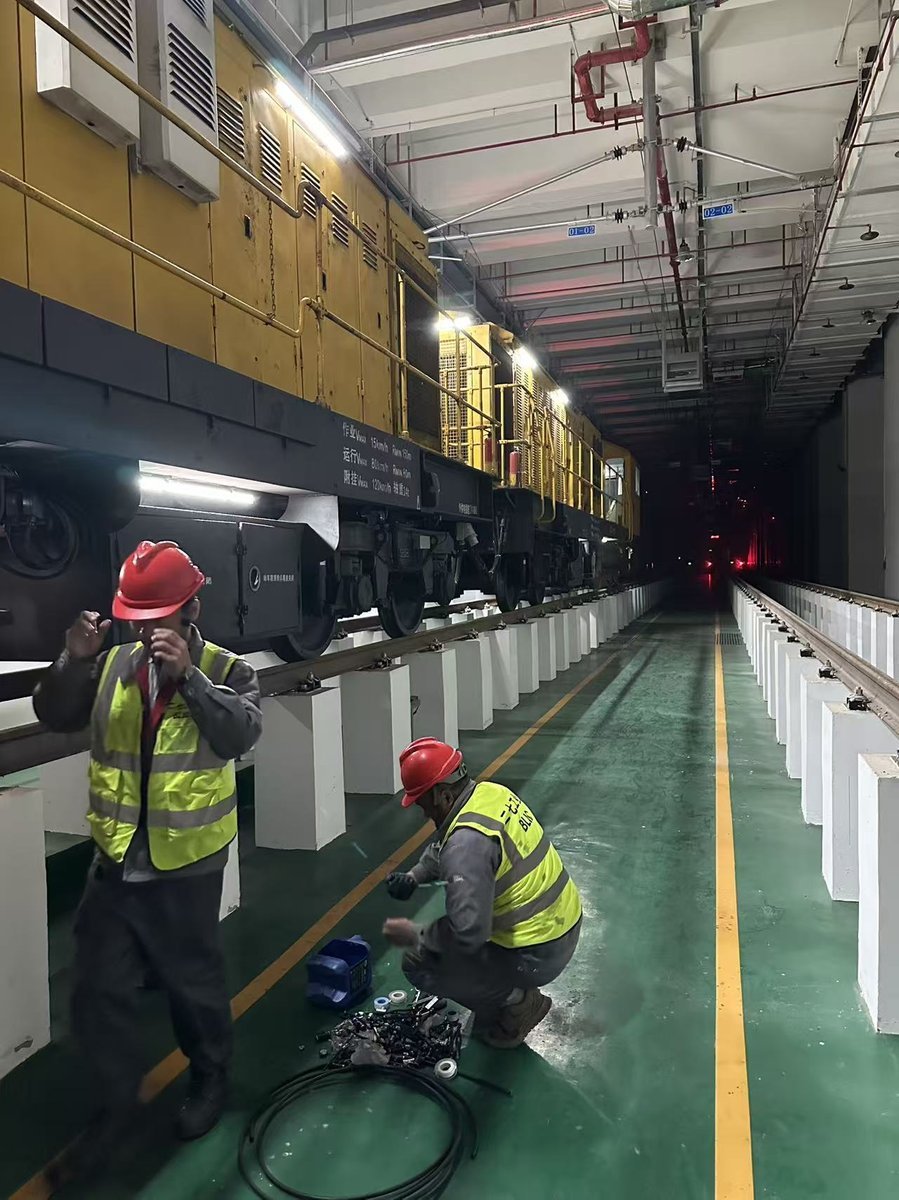
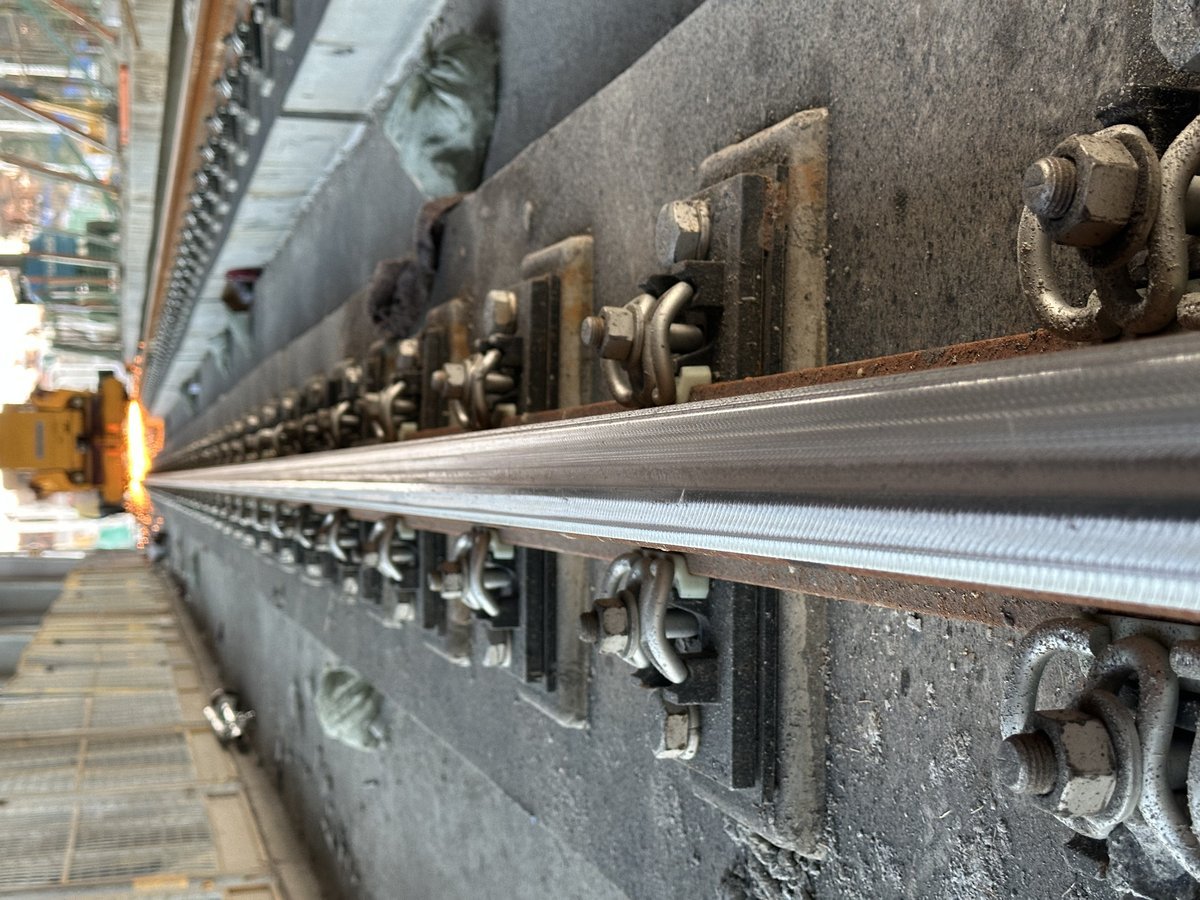
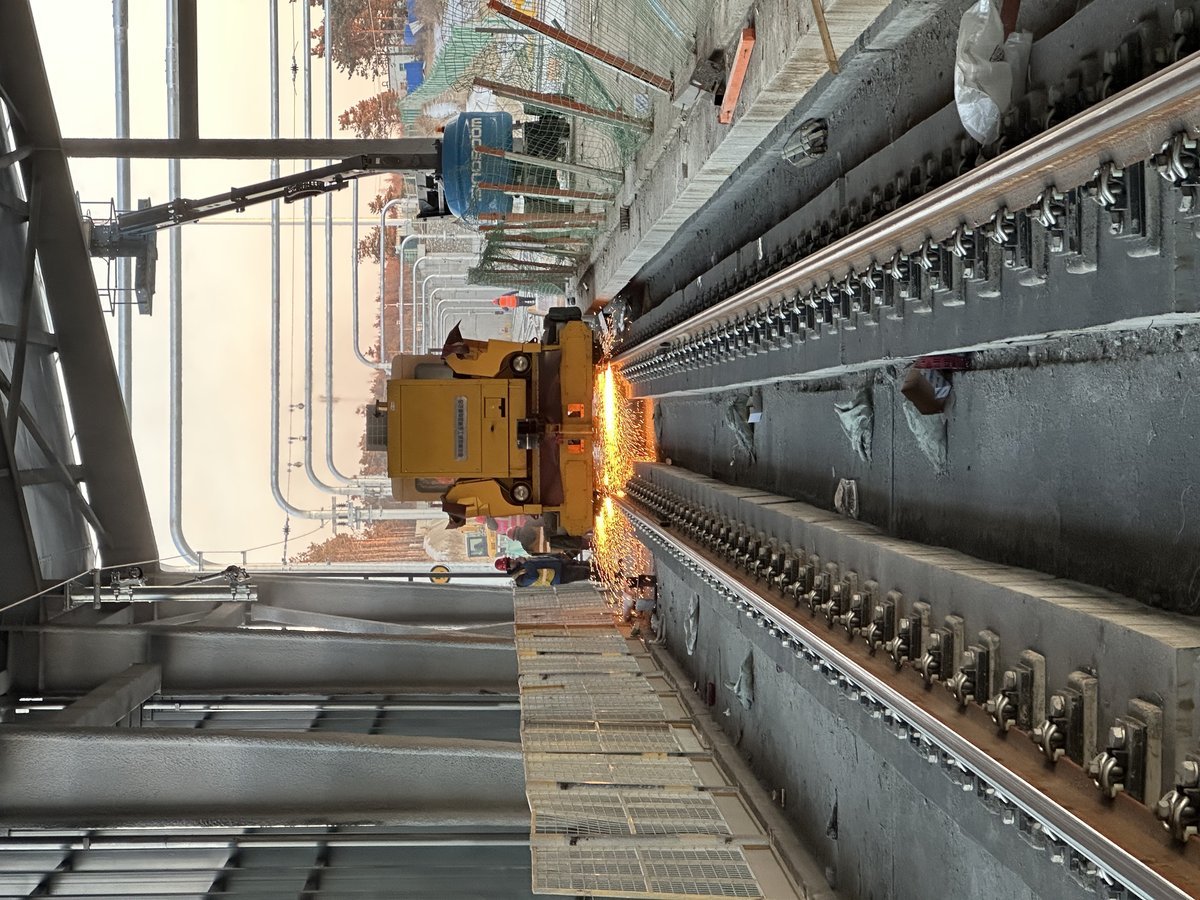
Additional photographs from Molaton's railway grinder wheel field operations and manufacturing, providing more visual evidence of product quality and grinding performance. Molaton offers free benchmark testing against your current imported railway grinder wheel. Contact us to start the evaluation.The Import Premium: Why Railway Grinder Wheel Prices Vary So Much Across Markets
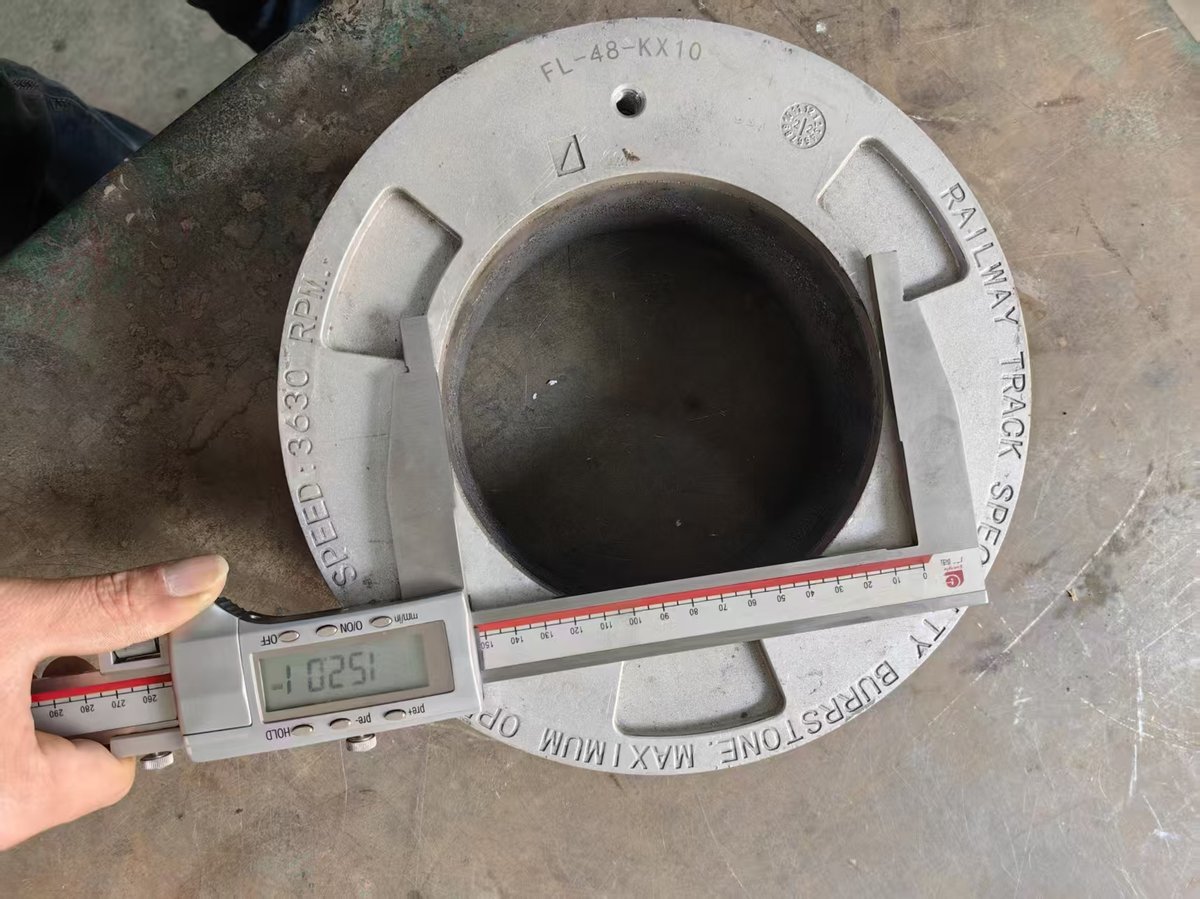
Five Critical Performance Indicators for Railway Grinder Wheel Comparison
1. Wear Resistance
2. Grinding Efficiency
3. Surface Quality
4. Service Life
5. Consistency
Indicator 1 — Wear Resistance: Domestic Railway Grinder Wheels Close the Gap
Test Condition Imported (Norton) Domestic (Molaton) Gap Loram, 60 kg/m rail, 8 km/h 42.3 km/wheel 39.8 km/wheel 6% Harsco, 75 kg/m rail, 6 km/h 35.1 km/wheel 33.6 km/wheel 4% Speno, 60 kg/m rail, 10 km/h 38.7 km/wheel 36.2 km/wheel 6% Indicator 2 — Grinding Efficiency: Material Removal Rates in Real Operations
Indicator 3 — Surface Quality: Ra Values Tell the Real Story
Indicator 4 — Service Life: Structural Integrity Under Extended Use
The Molaton Import Substitution Case: Nanning Railway Bureau
Batch-to-Batch Consistency: The Often-Overlooked Advantage of Modern Domestic Manufacturing
Making the Decision: Import vs Domestic Railway Grinder Wheel Selection Framework
Additional Field Images: Molaton Railway Grinder Wheel in Action
Evaluate Import Substitution for Your Fleet