Adapting Rail Grinding Wheels for 1520 mm Gauge: A Technical Response to GOST 33174–2014
- Share
- Issue Time
- Mar 31,2026
Summary
RailwayCare is developing grinding wheels specifically for R65/R75 rails and invites EAEU railway authorities and research institutes to co-validate performance under real operating conditions.
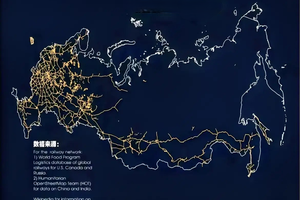
RailwayCare has supplied precision rail grinding solutions for 1435 mm standard-gauge networks across Asia and Europe for over a decade. As we prepare for market entry into the Eurasian Economic Union (EAEU), we have conducted a detailed technical review of GOST 33174–2014, the Russian national standard that defines rail grinding requirements on 1520 mm broad-gauge lines.
Our analysis confirms that broad-gauge maintenance demands more than simple equipment adaptation—it requires consumables engineered for a distinct operational environment: heavier axle loads (up to 40 tonnes), tighter curves (often below 300 m radius), and hardened R65/R75 rail profiles rail profiles.
Key Requirements from GOST 33174–2014
1. Stricter Geometric Tolerances
● Rail head flatness: ≤0.2 mm over 1 meter
● Flange on working edge: ≤0.3 mm
● Weld joint misalignment: ≤0.2 mm
2. Surface Integrity
● No burns, cracks, or waviness permitted
● Surface roughness Ra ≤ 12.5 μm
3. Profile Compliance
● Final contour must match the Annex A templates for R65 and R75 rails—geometries wider and flatter than CHN60 or UIC60.
These specifications exceed typical standard-gauge expectations and place significant demands on abrasive performance.
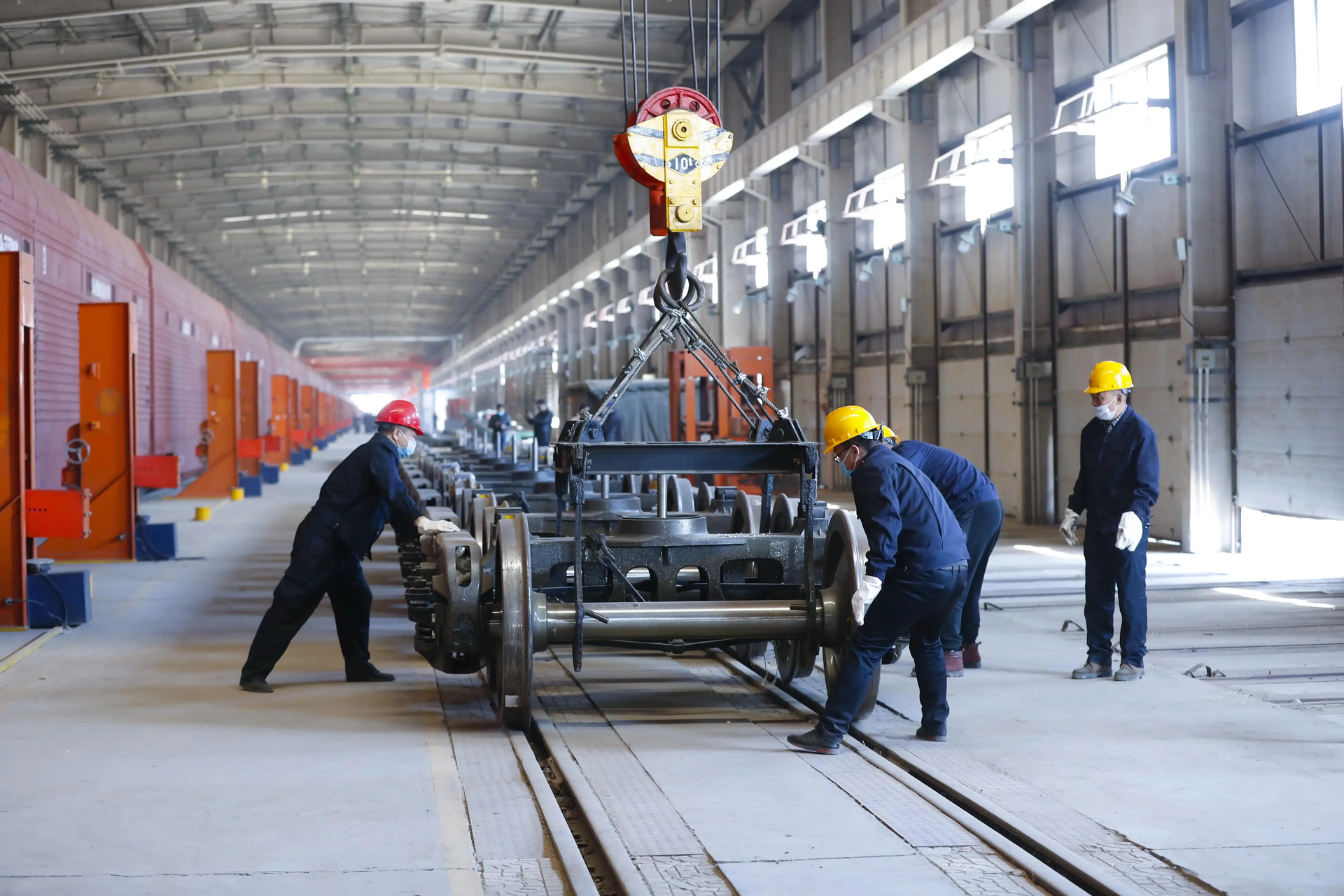
Our Rail Grinding Wheel Material and Process Development
To meet these conditions, we are developing resin-bonded grinding wheels based on high-zirconia alumina abrasives (typically 30–50% ZrO₂·Al₂O₃). This microcrystalline structure delivers:
● Superior toughness under high-impact loading
● Consistent self-sharpening during continuous operation
● Reduced risk of thermal damage on hardened rails (HB 320–360)
We are further optimizing:
● Wheel hardness (grade H–J) and grain size (F46–F60)
● Feed rates and spindle speeds for small-radius curves
● Bond formulation to maintain integrity in variable temperature and humidity
This development runs in parallel with our ongoing EAC certification under TR EAEU 010/2011.
Invitation to Technical Collaboration
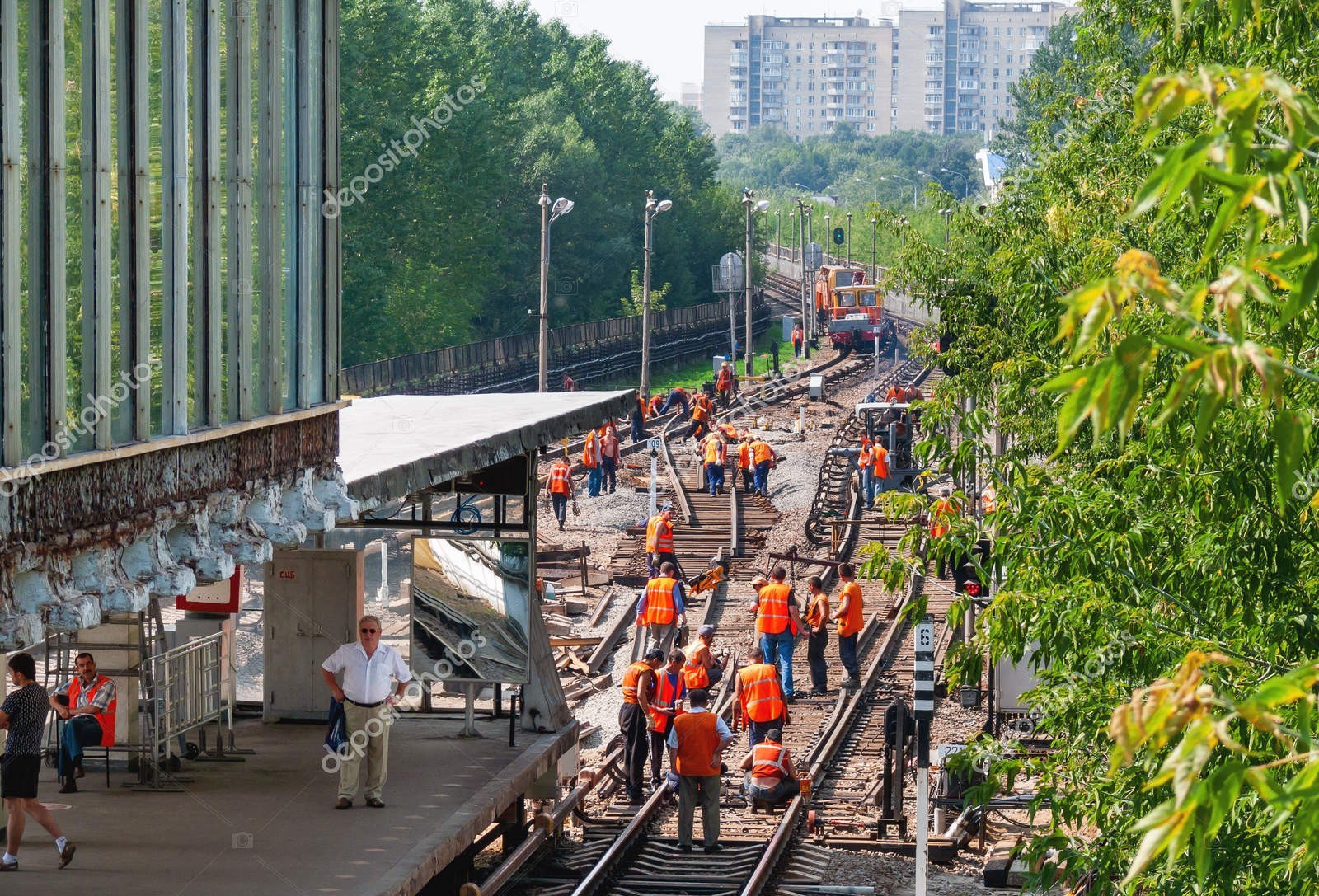
To ensure our solution performs under real-world EAEU conditions, we invite railway infrastructure managers, research institutes (e.g., VNIIZhT), and maintenance operators to participate in field validation trials.
We seek partners who can:
● Provide access to representative 1520 mm track sections, including heavy-haul corridors and curves with R < 300 m
● Share pre- and post-grinding inspection data (profile, surface quality, wear rate)
● Evaluate wheel life, conformity to GOST 33174–2014, and operational efficiency
FAQ
What does GOST 33174–2014 require?
It sets rail head flatness at 0.2 mm or better over one metre, limits flange on the working edge to 0.3 mm and weld joint misalignment to 0.2 mm, permits no burns, cracks or waviness, caps surface roughness at Ra 12.5 µm, and requires the final contour to match the Annex A templates for R65 and R75 rail profiles. These sit above typical standard-gauge expectations.
Why do 1520 mm lines need different grinding wheels?
Because the operating conditions differ: axle loads up to 40 tonnes, curves frequently below 300 m radius, and hardened R65 or R75 rail heads at HB 320–360. The harder, tighter duty raises both impact loading on the wheel and the risk of thermal damage to the rail, so a wheel tuned for standard-gauge duty will not hold its cutting rate or its life.
What wheel specification is being developed for broad gauge?
Resin-bonded wheels on high-zirconia alumina abrasive, typically 30–50% ZrO₂·Al₂O₃, which gives toughness under impact, consistent self-sharpening and a lower risk of thermal damage on hardened rail. Wheel hardness in the H–J range with grain size F46–F60, together with adjusted feed rates and spindle speeds for small-radius curves, forms the working specification.
How does 1520 mm duty compare with 1435 mm?
Standard gauge brought most of the world's railways onto one wheel and rail interface, but it did not standardise rail section, axle load or curve radius — and the EAEU network varies all three from the 1435 mm standard. That is why adapting equipment is not enough: the consumable has to be engineered for the environment it runs in.
What happens if a wheel does not meet the standard on test?
It fails the type test rather than the track trial, and the formulation returns to development. That is the practical value of testing against Annex A templates and the flatness, flange and misalignment limits before shipment: non-conforming product is caught in the laboratory or in the factory audit rather than inside an operator possession, where a rejection costs the trial programme and the relationship with the customer.
How can a partner join the field validation?
By providing access to representative 1520 mm track including heavy-haul corridors and curves below 300 m radius, sharing pre- and post-grinding inspection data on profile, surface quality and wear rate, and evaluating wheel life against the standard. The certification side of EAEU market entry is covered in our guide to EAC certification.
This is not a commercial proposal—it is a technical partnership aimed at establishing a grinding wheel specification truly suited to the demands of broad-gauge railways.
📧 Contact us: simon.wang@railwaycare.com
🌐 Explore : www.railwaycare.com
📱 WhatsApp: +86 15072332788