A Technical Guide to EAC Certification for Rail Grinding Wheels in the Eurasian Market
- Share
- Issue Time
- Apr 2,2026
Summary
For rail grinding wheels targeting the Eurasian Economic Union (EAEU), EAC certification under TR CU 003/2011 is mandatory.
The Eurasian Economic Union (EAEU)—comprising Russia, Kazakhstan, Belarus, Armenia, and Kyrgyzstan—represents a significant market for railway maintenance products. However, access to this market is governed by a unified and mandatory compliance system: the Eurasian Conformity (EAC) mark. For suppliers of specialized consumables like rail grinder wheels, understanding this system is not optional; it is a prerequisite for commercial engagement.
Understanding Rail Grinding and Its Critical Role
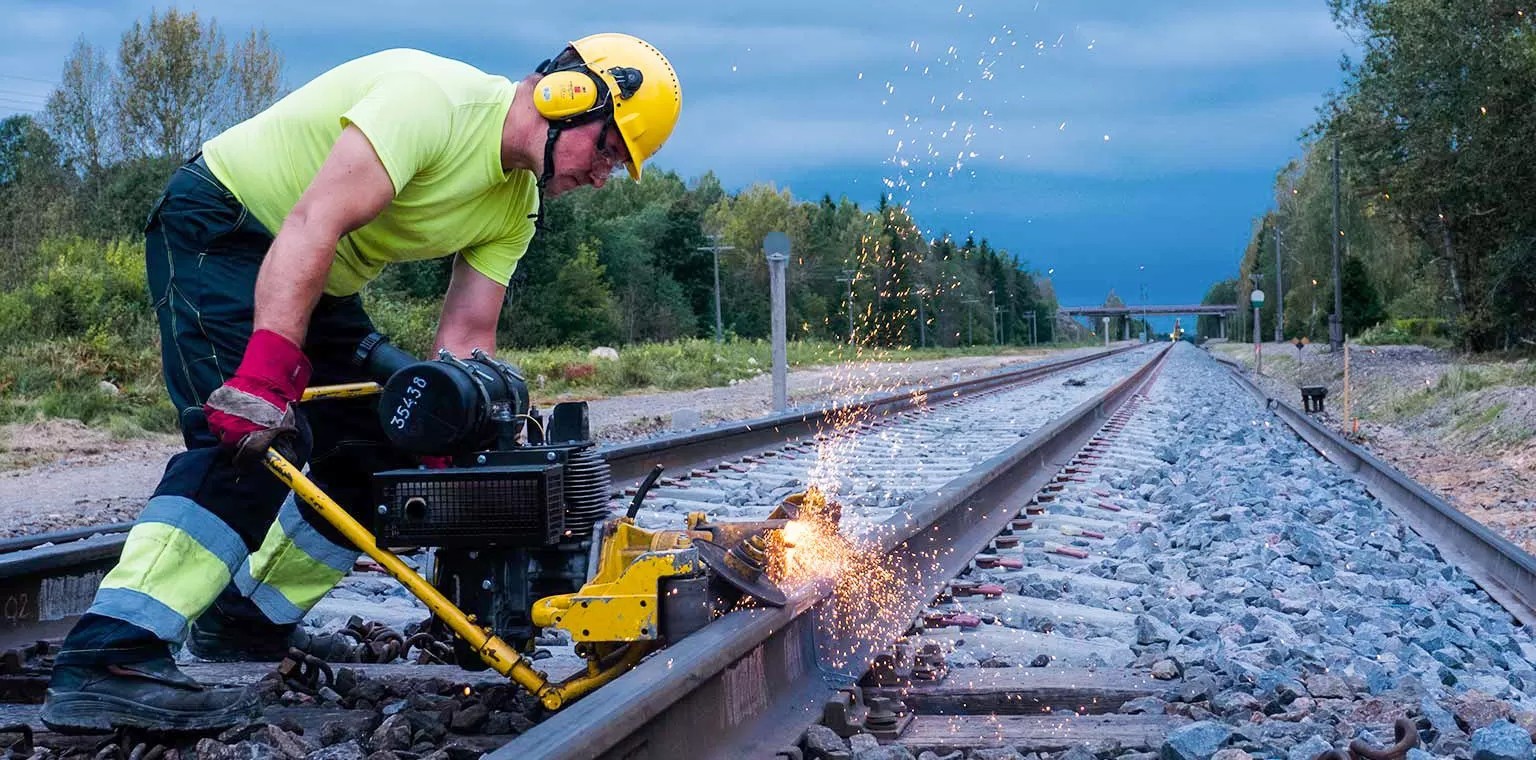
Rail grinding is a precision maintenance process that uses rotary abrasive wheels to restore the profile, remove surface defects (such as corrugation and rolling contact fatigue), and extend the service life of rails.
The rail grinder wheel is the core consumable in this operation. Its performance directly impacts track geometry, ride quality, and safety. In the EAEU, where vast networks of 1520 mm broad-gauge track broad-gauge track are subject to heavy axle loads and extreme climates, the demands on grinding wheels are particularly stringent. Their effectiveness is often measured against the geometric tolerances defined in standards like GOST 33174–2014, which mandates a rail head flatness of ≤0.2 mm over one meter—a benchmark that requires high-performance abrasives like zirconia alumina.

The Regulatory Foundation: TR CU 003/2011
Rail grinding wheels fall under the scope of Technical Regulation of the Customs Union TR CU 003/2011 "On the Safety of Railway Transport Infrastructure." This regulation covers fixed infrastructure elements, including track components such as rails, fastenings, and, by extension, the tools used for their maintenance that directly impact safety and geometry.
Compliance with TR CU 003/2011 is demonstrated through an EAC Certificate of Conformity (CoC), not a self-declared DoC. This is because grinding wheels are considered critical for maintaining track geometry and preventing derailments, placing them in the high-risk category requiring third-party assessment.
The EAC Certification Process: Key Steps
Obtaining an EAC CoC is a structured process involving several critical stages:
● 1. Appointment of an Authorized Representative (AR): As a non-EAEU manufacturer, you must appoint a legal entity within the EAEU to act as the certificate holder and your local point of contact for all regulatory matters.
● 2. Product Classification & Standard Identification: The certification body will confirm that your product falls under TR CU 003/2011 and identify the relevant underlying GOST standards for testing. While the file does not explicitly list a GOST for grinding wheels, performance against geometric tolerances (e.g., those in GOST 33174–2014 for rail head profile) is a de facto requirement for acceptance.
● 3. Type Testing: Samples must be tested in an EAEU-accredited laboratory. Tests typically focus on material integrity, structural strength, and performance consistency under simulated operational stresses.
● 4. Factory Audit: The manufacturing facility undergoes an audit to verify its quality management system (QMS) and ensure consistent production of compliant batches.
● 5. Technical Documentation: A comprehensive dossier, including manuals, drawings, and test reports, must be compiled and submitted in Russian.
● 6. Certificate Issuance & Registration: Upon successful completion, the EAC CoC is issued and registered in the official EAEU database, valid for 1, 3, or 5 years depending on the chosen scheme.
Beyond the Certificate: The Imperative of On-Track Trials
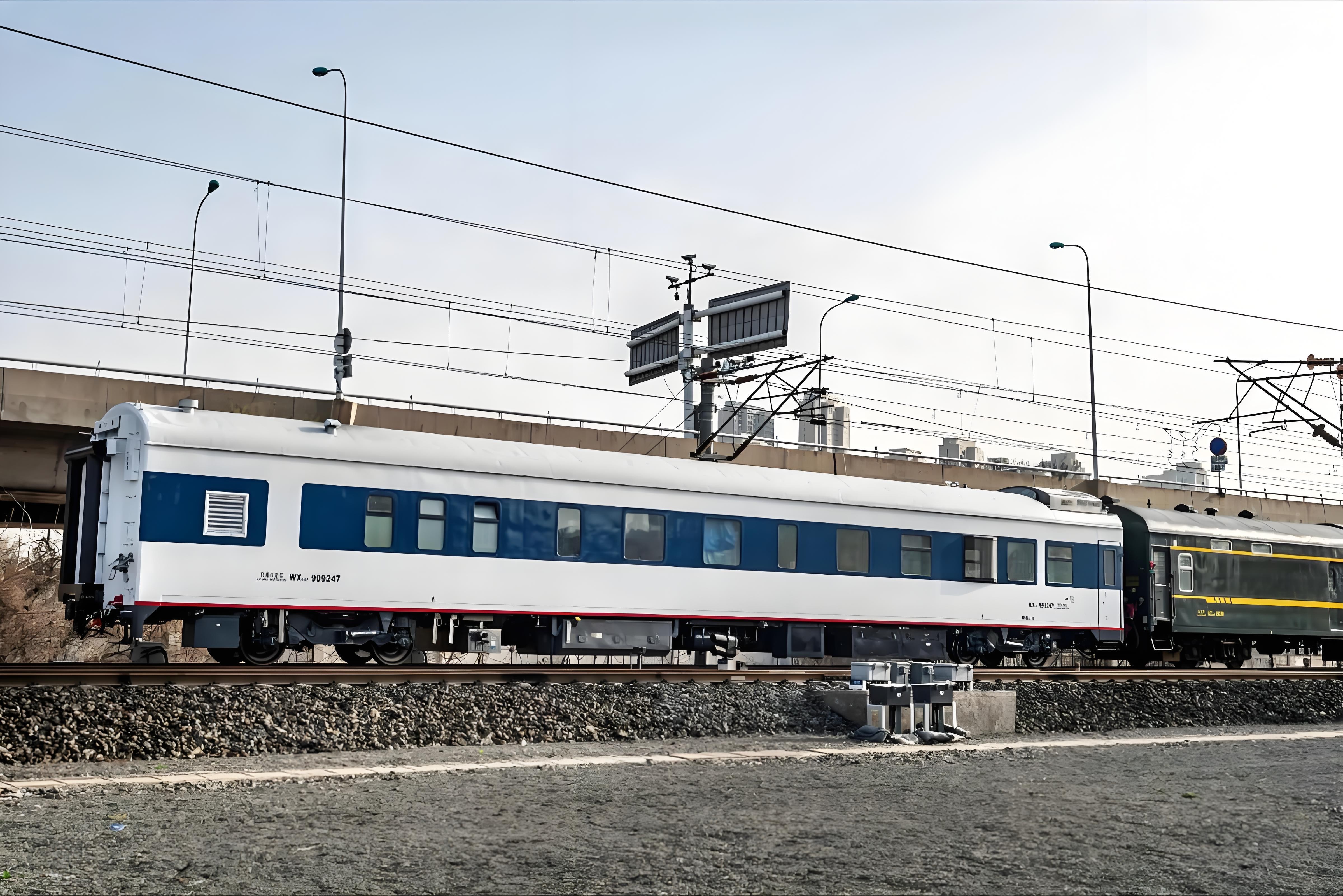
Crucially, an EAC certificate is the entry ticket, not the final approval. National railway operators, most notably Russian Railways (RZD), mandate a period of on-track trials before a new product can be procured at scale.
This trial process involves:
- Submitting a detailed trial plan to the operator.
- Installing the grinding wheels on designated track sections (often including heavy-haul or curved segments).
- A monitoring period of typically 3-6 months, during which the operator collects data on performance, wear rate, and adherence to profile specifications.
- Final evaluation leading to an official "permission for use" (or rejection).
Therefore, successful market entry requires a dual-track strategy: achieving formal EAC compliance while simultaneously preparing for and executing a rigorous technical validation with the end-user.
FAQ
Does a rail grinding wheel need EAC certification to enter the EAEU market?
Yes. The Eurasian Economic Union, covering Russia, Kazakhstan, Belarus, Armenia and Kyrgyzstan, operates a single mandatory conformity system, and railway maintenance products including grinding wheels fall inside it. Without the EAC mark the product cannot be placed on the market, which makes certification a commercial prerequisite rather than a technical formality.
Which technical regulation covers rail grinding wheels?
TR CU 003/2011 "On the Safety of Railway Transport Infrastructure". It covers fixed infrastructure and the track components within it, and by extension the tools used to maintain them where those tools affect safety and geometry. Grinding wheels sit in that category because they govern profile conformity and, indirectly, derailment risk.
Why is an EAC certificate required rather than a declaration?
Because grinding wheels are treated as critical to maintaining track geometry, they fall in the high-risk category and require third-party assessment — an EAC Certificate of Conformity rather than a self-declared declaration. That means type testing in an EAEU-accredited laboratory and a factory audit of the production quality system.
Is the certificate enough to sell to national operators?
No. It is the entry ticket. Operators such as Russian Railways require a period of on-track trials before a product can be procured at scale, typically three to six months of monitored service covering performance, wear rate and conformity to profile specification. Market entry therefore runs on two tracks: formal compliance and technical validation with the end user. The gauge-specific requirements behind those trials are covered in our analysis of 1520 mm gauge grinding wheels and GOST 33174-2014.
How long is an EAC certificate valid?
Between one and five years depending on the certification scheme chosen, with the certificate issued and registered in the official EAEU database. The dossier supporting it — manuals, drawings and test reports — must be submitted in Russian, and the manufacturer must appoint an authorised representative inside the union to hold the certificate.
Our Commitment and Invitation
RailwayCare is actively preparing our high-performance rail grinding wheel solutions for the EAC certification process. We recognize that true market readiness extends beyond a certificate. To this end, we invite railway research institutes, national operators (like RZD, KTZ, BZD), and qualified partners across the EAEU to collaborate on upcoming on-track performance validation trials. We believe that joint technical verification is the most effective path to establishing reliable, compliant, and high-performing solutions for the unique challenges of the Eurasian rail network.
📧 Contact us: simon.wang@railwaycare.com
📱 WhatsApp: +86 15072332788
🌐 Explore : www.railwaycare.com